How to prepare for mountain hiking and trekking: an active holiday without injuries
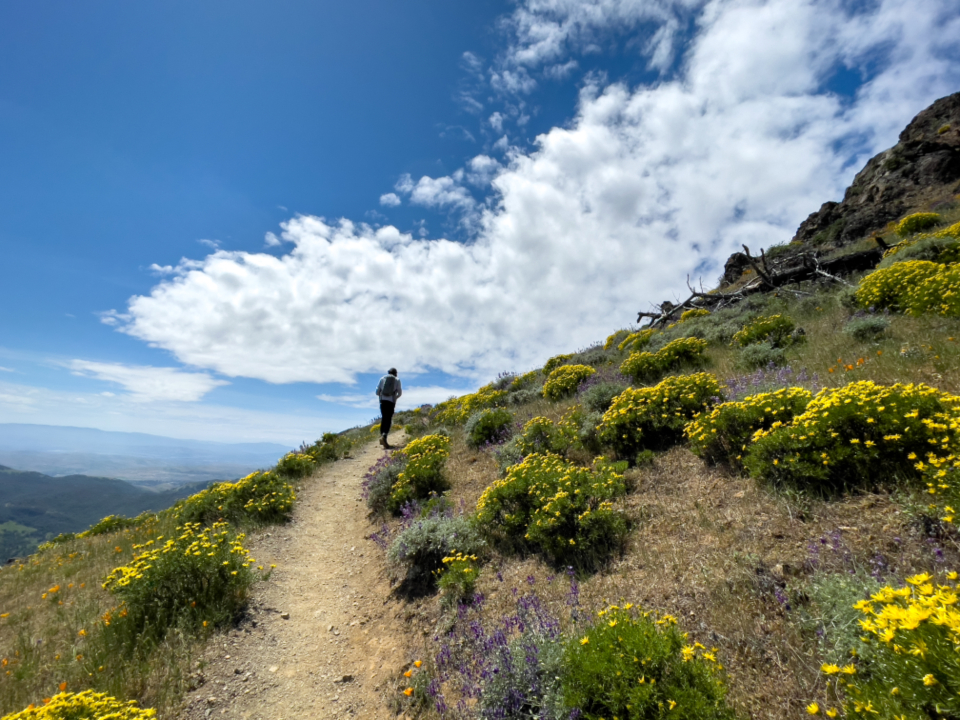
The Alatau, the Caucasus or the Alps — it does not matter. For a holiday to be remembered for the views rather than sore legs, it is worth preparing in advance.
An active holiday is not only beautiful but also a load that an office worker's body is often not ready for: 15–20 kilometres a day with elevation changes, a backpack, unfamiliar food and sleeping in a tent. The good news: 4–6 weeks of preparation at home make such a trip far more comfortable.
How do you prepare for a mountain hike in 4–6 weeks?
- Endurance: brisk walking, running or cycling 3–4 times a week for 40–60 minutes.
- Legs: squats, lunges, step-ups — twice a week (see strength training).
- Stairs: climbing stairs with a backpack is the best trainer before the mountains.
- Footwear: break in your trekking boots in advance, not on the first day of the hike.
What is altitude sickness and how do you avoid it?
Above 2,500 metres many people get signs of altitude sickness: headache, nausea, weakness, poor sleep. The main rules are to gain altitude gradually, "sleep lower than you climbed during the day", drink water and not rush. If symptoms get worse, go down.
How should you drink and eat on a hike?
- Drink regularly without waiting to feel thirsty: water losses are higher in the mountains (more).
- Take snacks with carbohydrates and protein: nuts, dried fruit, bars.
- The sun in the mountains is stronger than it seems — skin protection is covered in "Skin and sun".
- In the evening, light stretching and an early night.
Recovery on a multi-day hike is a task of its own. For exertion and stamina LifeWave offers the X49 patch, and together with X39 it is better value in the Performance Bundle. For comfort in motion on long stretches many people take IceWave patches. How amateur athletes fit patches into their routine, we described in "X39 for people who train".