Exercising at high altitude: how to adapt in the first few days
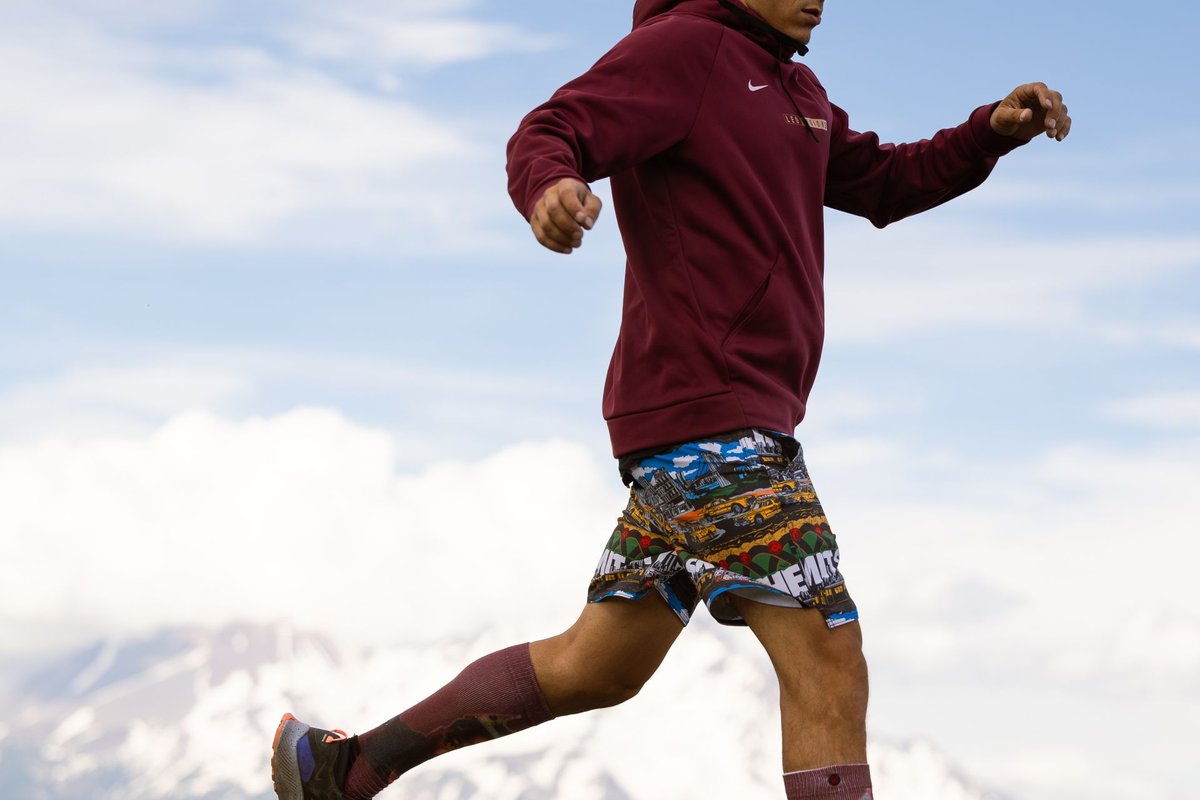
Exercising at high altitude — in the mountains or in a high city like Mexico City — can make your usual run suddenly feel hard. Here is why that happens, how to ease off in the first days and when to be cautious.
Exercising at high altitude isn’t just about hiking and mountaineering. Many people end up at altitude simply for work or on vacation: high-altitude cities in Latin America, mountain resorts, summer camps. And almost everyone notices the same thing: you get out of breath sooner, your heart rate is higher and your usual pace feels impossible.
Why is working out at high altitude harder?
The higher you go, the less oxygen you get with each breath, and your body needs time to adjust. The CDC states plainly that maximum performance at altitude is always lower than in the lowlands — even for well-trained people.
What are the benefits of exercising at high altitudes?
For athletes, altitude is a well-known training tool, but it requires a plan and supervision. For a traveler, the main goal is more modest: keep the habit of moving without overloading the body while it adapts.
How should you plan workouts at altitude in the first days?
- For the first 48 hours, stick to gentle activity: walks, light stretching. That’s what the CDC advises for anyone sleeping above about 8,000 ft (2,450 m).
- During those same two days, skip alcohol and hard workouts — this is one of the basic recommendations for travelers.
- If you’re heading even higher on a trek, don’t go from the lowlands straight to above 9,000 ft (2,750 m) in one day, and after that raise your sleeping altitude gradually.
- Reduce pace and volume: go by how you feel and your breathing, not by the usual numbers on your watch.
- Drink water throughout the day and take a bottle to your workout — more on hydration in our article How much water should you drink.
Traveling to a high city like Mexico City: how do you keep training?
Bring your usual shoes and gear, but plan the first days as “easy” days: walks around the city instead of intervals. If you’re preparing for a hike, the tips in our articles Preparing for a mountain hike and Preparing for a hike: water and exertion will come in handy.
Once you’ve adapted and want to return to full workouts, some athletes bring along the X49 patch — according to the company, it’s designed for endurance in active people. And for steady energy on the road without caffeine, there’s Energy Enhancer. But in the first days at altitude, your best ally is patience.