Walking in Nature: Its Benefits for Stress and Sleep
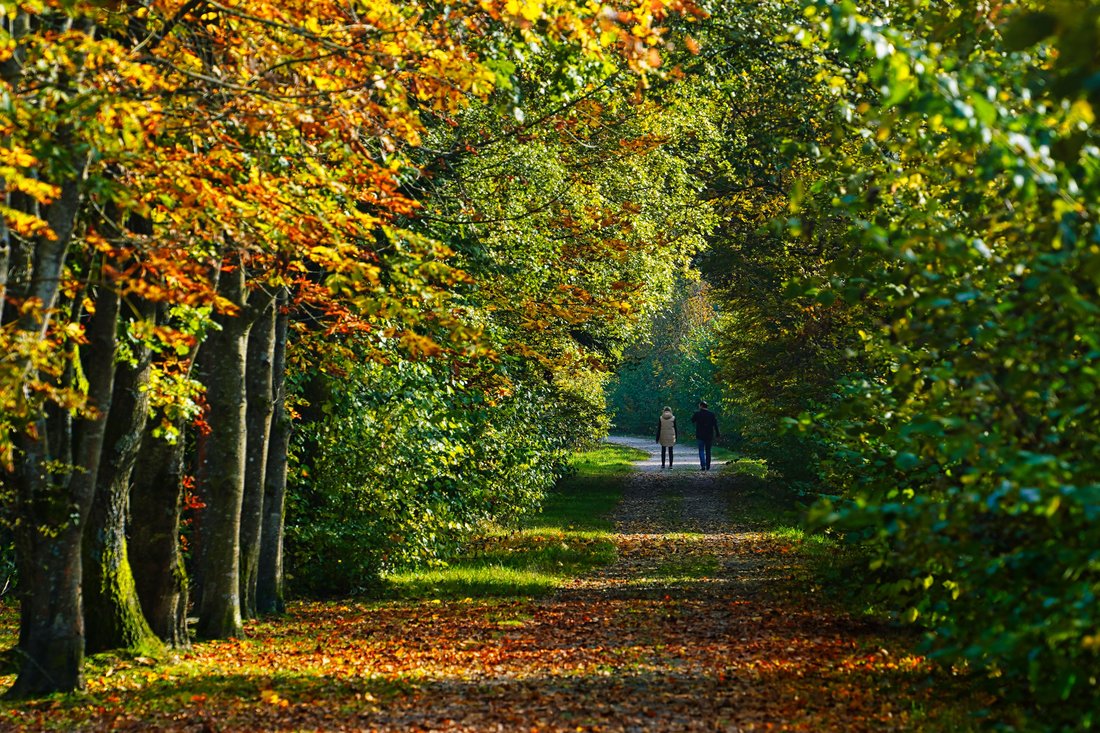
Even a short walk in the park lowers stress hormone levels and improves mood. We look at what research says about the benefits of time in nature and how much you need for an effect.
City life rarely leaves time for an aimless walk — it's always to work, to the store, holding a child's hand. But a growing body of research shows that time spent among greenery isn't a luxury — it's a simple, nearly free tool for reducing stress.
What Happens in the Body Outdoors
After just 20–30 minutes of walking in a park or forest, most people see a drop in cortisol — the main stress hormone — along with a slower pulse and lower blood pressure. Psychologically, this feels like a calmer, clearer state of mind.
Nature and Sleep Quality
- Daylight outdoors helps set the body's internal clock — this makes it easier to fall asleep in the evening.
- Moderate physical activity during a walk promotes deeper sleep.
- The absence of screens and constant notifications during a walk lowers overall anxiety levels by evening.
Read more about how routine and light affect falling asleep in "How Much Sleep You Need".
How Much Time You Need to Spend in Nature
You don't need to drive out of town for a whole day. Research shows an effect from short but regular walks — 20–30 minutes several times a week. A city park, a tree-lined street near your home, or a waterfront work almost as well as a forest, as long as there's greenery and it's relatively quiet.
How to Fit Walks Into a Normal Day
- Walk part of your commute through a park instead of along the busiest street.
- Take a short walk during your lunch break instead of spending it on your phone.
- Walk with family on weekends with no particular destination — just for the sake of moving outdoors.
To end an evening after a day outdoors with restful sleep, many people use Silent Nights patches — a LifeWave evening patch that helps you relax before bed. But the foundation is always the same: regular movement, daylight, and screen-free time.