Cold water swimming for beginners: how to start safely, how long to stay in and how to warm up
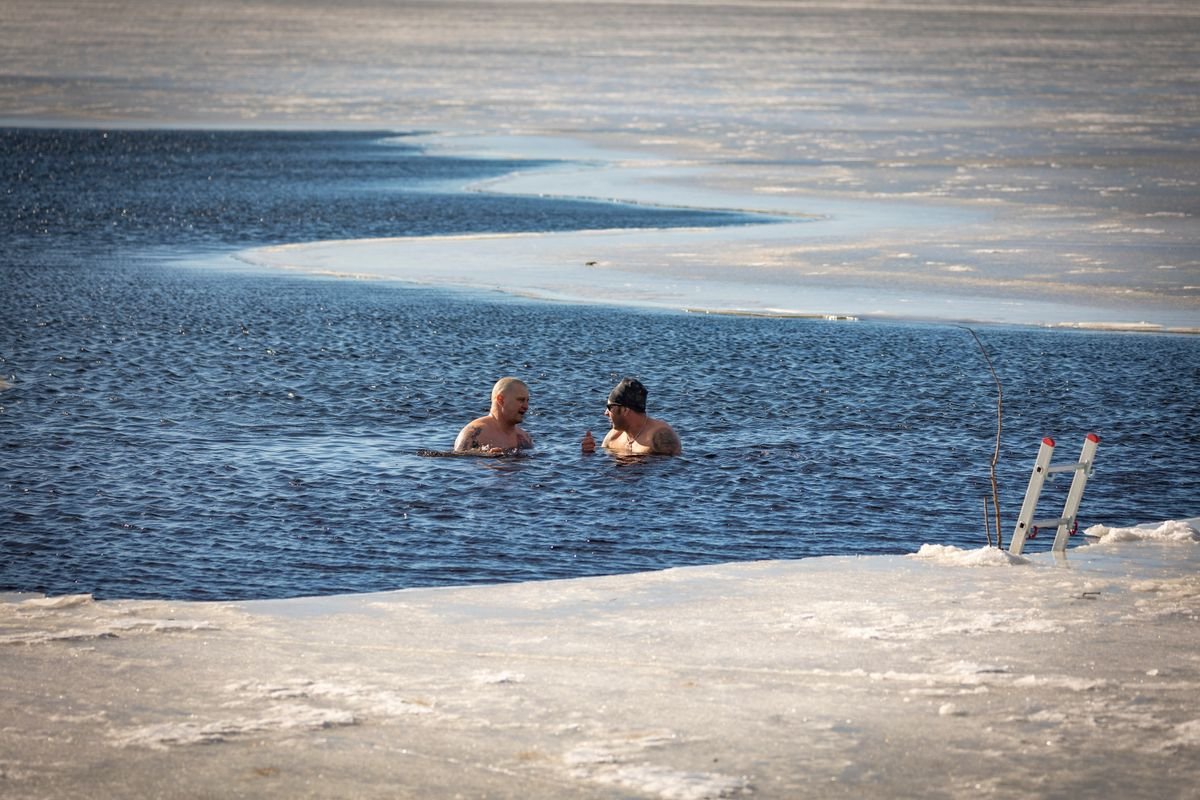
Cold water swimming for beginners — winter dips in open water — brings a rush of energy and a sense of victory over yourself, but it demands respect for the cold. Here is how to prepare, how to start safely and how to warm up properly afterward.
Cold water swimming means short swims or dips in cold open water, most often in winter. In Poland it's called morsowanie, and in winter whole clubs gather at lakes and Baltic beaches; similar communities exist in many other countries. People come for the energy and good mood, and small studies do describe improved wellbeing in regular winter swimmers, although data is still limited (PLOS One).
The main rule is respect for the cold: start gradually, with company and paying attention to your body.
What is cold water swimming?
For most people, cold water swimming isn't a competitive sport but a ritual: a quick dip, a couple of minutes in the cold and warm tea with friends afterward.
It's a short, mindful dip or swim in cold open water. The point isn't to last as long as possible, but to stay in the water calmly and get out safely.
How does cold water swimming affect the body?
Cold water is a powerful stimulus: in the first seconds your breathing and heart rate speed up, and then your body starts conserving heat. That's both energizing and a noticeable load on the heart and blood vessels.
- The first minute is cold water shock: a sharp gasp, rapid breathing and a faster heart rate (RYA).
- After that, your hands and feet cool down quickly and moving gets harder.
- After you get out, your body temperature keeps dropping for a while.
- Many people describe a rush of energy and a good mood after a swim.
Everyone reacts to cold differently: it depends on experience, how you feel, the water temperature and even how well you slept. So go by your own sensations, not by how long others stay in.
How to start cold water swimming?
Start with cool showers and autumn swims, and when the season comes, join a club with experienced members. Your first dip should be short and shallow.
- Get in slowly, don't dive or jump in: that lowers the risk of cold water shock, advise RNLI lifeguards.
- Your breathing will be ragged for the first few seconds — don't hold your breath; take a few slow exhales.
- Splash your hands, neck and face before going in up to your shoulders.
- For a beginner, 1–2 minutes is enough; increase the time gradually.
- Never get in the water alone or after drinking alcohol.
How to warm up after cold water swimming?
Dry off and dress in warm layers with a hat and gloves right away. Your body temperature may keep dropping for about 30 minutes, so the RNLI advises having a warm drink during that time and not driving (RNLI).
- Lay out your clothes in advance in the order you'll put them on.
- Bring a thermos of warm tea and warm shoes.
- Move calmly: easy walking helps you warm up.
Don't jump straight into a hot shower or sit right up against a heater: warm up gradually, with clothes, movement and warm drinks.
Cold water swimming: benefits and risks
Cold is energizing and can lift your mood, but it's a heavy load on the heart and blood vessels. Sudden immersion triggers cold water shock — rapid breathing and heart rate in the first minute (RYA).
That's why the benefits of cold water swimming only come with a gradual, careful approach. Warmth after cold is covered in "Sauna and banya for recovery", and breathing and cold in "Wim Hof method". If you'd like the water without extreme temperatures, see "Swimming for health".
What to add to your morning after a swim?
For an energized morning after a winter swim, many people choose Energy Enhancer — according to the company, it supports steady energy without caffeine. And X39, according to the company, supports the natural production of the GHK-Cu peptide, energy and recovery. According to the company, the patches don't penetrate the skin.