Sauna and banya for recovery: what science says about heat after exercise
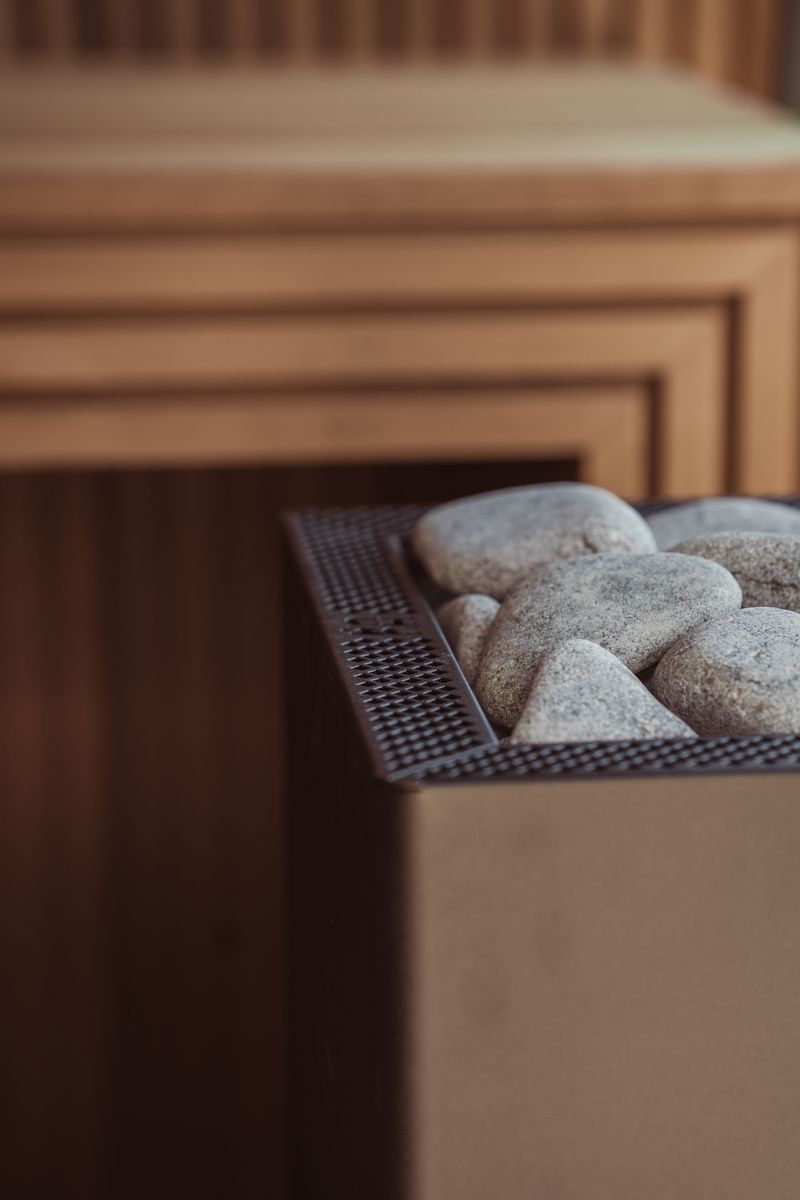
Heat treatments have long been used for recovery after workouts. Here is what research actually supports and what remains a myth.
Banya and sauna have long been associated with recovery, but scientific interest in heat treatments has grown especially fast in recent years, alongside the trend for contrast therapy and cold plunges.
What research says about heat after exercise
Regular sauna use is linked to improved circulation and an overall sense of relaxation. Some studies point to potential cardiovascular benefits with regular, not occasional, use.
Heat and cold together
Contrast therapy — alternating heat and cold — is popular among athletes, but solid scientific proof of its superiority over ordinary rest is still lacking. Many use it more for the subjective feeling of alertness than as a proven way to speed up muscle recovery.
How to use a sauna safely
- Keep sessions short, listening to how you feel — 10-15 minutes is usually enough.
- Always replace fluids before and after — heat treatments increase sweating.
- Don't combine sauna with alcohol — it adds strain to the heart.
For a more accessible alternative, see "Contrast shower". After exercise, many athletes also use X49 together with X39 — more in "Self-massage for muscle recovery".