Contrast showers: how cold water helps recovery
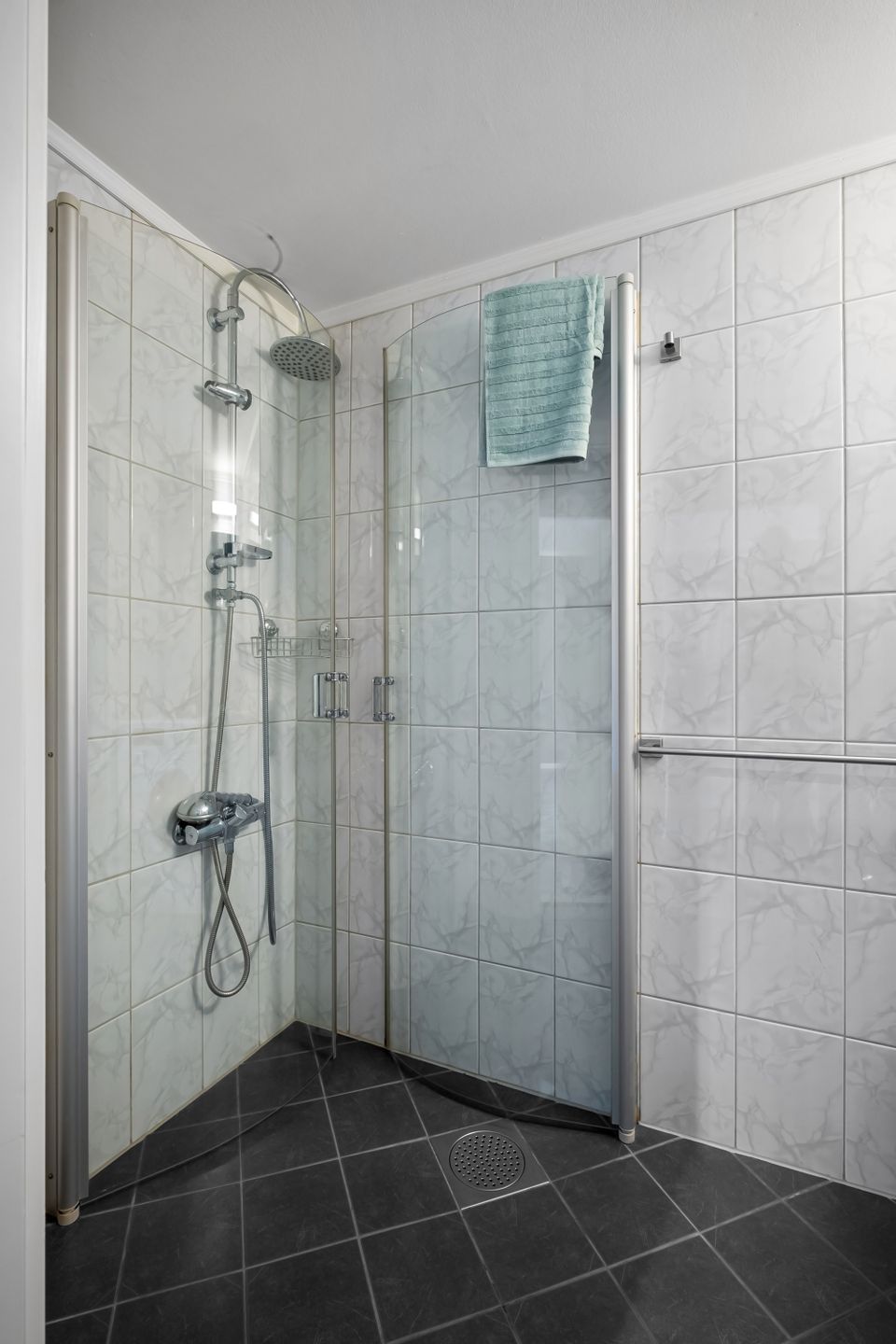
Contrast showers alternate warm and cool water, and many people love them for a morning boost and lighter-feeling muscles after exercise. Here is how to do them properly and start without stressing your body.
Contrast showers alternate warm and cool water over a few minutes. The sudden temperature change makes blood vessels narrow and widen quickly, and this feels like a burst of alertness and lightness in the body. That is why many people make them part of their morning routine or their recovery after exercise.
What are the benefits of contrast showers?
First and foremost, a feeling of alertness and energy. Cold water "wakes up" the body fast, and alternating it with warm water makes the routine bearable even for beginners.
A Harvard Health Publishing review of cold showers notes that people most often describe feeling alert and energized, but there are few large studies so far. So it is more honest to see contrast showers as a pleasant habit for vitality, not a fix for every problem.
How to do contrast showers properly
Gradually: start with warm water, add short spells of cool water and increase the contrast a little each time. The main rule is no "toughening up through pain".
- Start with a regular warm shower, then switch to cool (not ice-cold) water for 15–20 seconds.
- Gradually, from one shower to the next, make the water colder and the time slightly longer.
- 3–5 warm–cold cycles are enough.
- Direct the water at your legs and arms first, then your torso — it is easier to get used to.
- Breathe calmly: holding your breath in the cold only adds to the stress.
Are contrast showers good for muscle recovery after a workout?
Yes, many people enjoy them after exercise: it feels like a "reset" and leaves the muscles feeling lighter. Just do not jump in right after your last set.
- Wait until your breathing and heart rate settle after training.
- Keep the contrast moderate — after exercise your body is already busy recovering.
- Pairs well with light stretching and self massage in the evening.
If after a workout you want more heat than cold, see “Sauna and banya for recovery” — a different, "warm" approach.
How do you do a contrast shower for your legs?
This is the gentlest way to start: alternate warm and cool water on your feet and shins only. After a long day on your feet it leaves a pleasant sense of lightness.
- Rinse your legs from the bottom up — from the feet to the knees.
- 20–30 seconds of cool water, then 1–2 minutes of warm, 3–5 rounds.
- A similar idea underlies the Kneipp walk, which is easy to set up at home.
Who should be careful with contrast showers?
Sudden cold puts strain on the heart and blood vessels. People with cardiovascular conditions, pregnant women and anyone who is unsure should talk to a doctor first and start with a very mild temperature difference or none at all.
What mistakes spoil the contrast shower experience?
Most often beginners start with water that is too cold and spells of cold that are too long. The routine then feels like an ordeal, and they quickly give it up.
- Switching straight to ice-cold water instead of cool.
- Standing under the cold "to the bitter end", teeth clenched.
- Taking a contrast shower when you are already cold or feeling unwell.
- Stepping out onto a cold floor or into a draft — dry off and put on something warm right away.
The best guide is how you feel after the shower: energized and pleasant, not chilly and uneasy.
What goes well with a morning contrast shower?
A morning contrast shower works well together with daylight and movement — together they "switch on" the body faster. Regular activity is the foundation of energy, as NHS also reminds us.
If you still lack energy in the mornings, the shower may not be the whole story — read “Constant fatigue: causes and what to check first”.
For an extra morning boost, some people use LifeWave Energy Enhancer patches — caffeine- and stimulant-free — as part of a morning ritual alongside X39. According to the company, they help maintain steady energy throughout the day.
Read also: Wim Hof method: what research says and how to try it safely, Cold water swimming for beginners: how to start safely.