Daylight saving time sleep: how to keep your rest and energy when the clocks go back
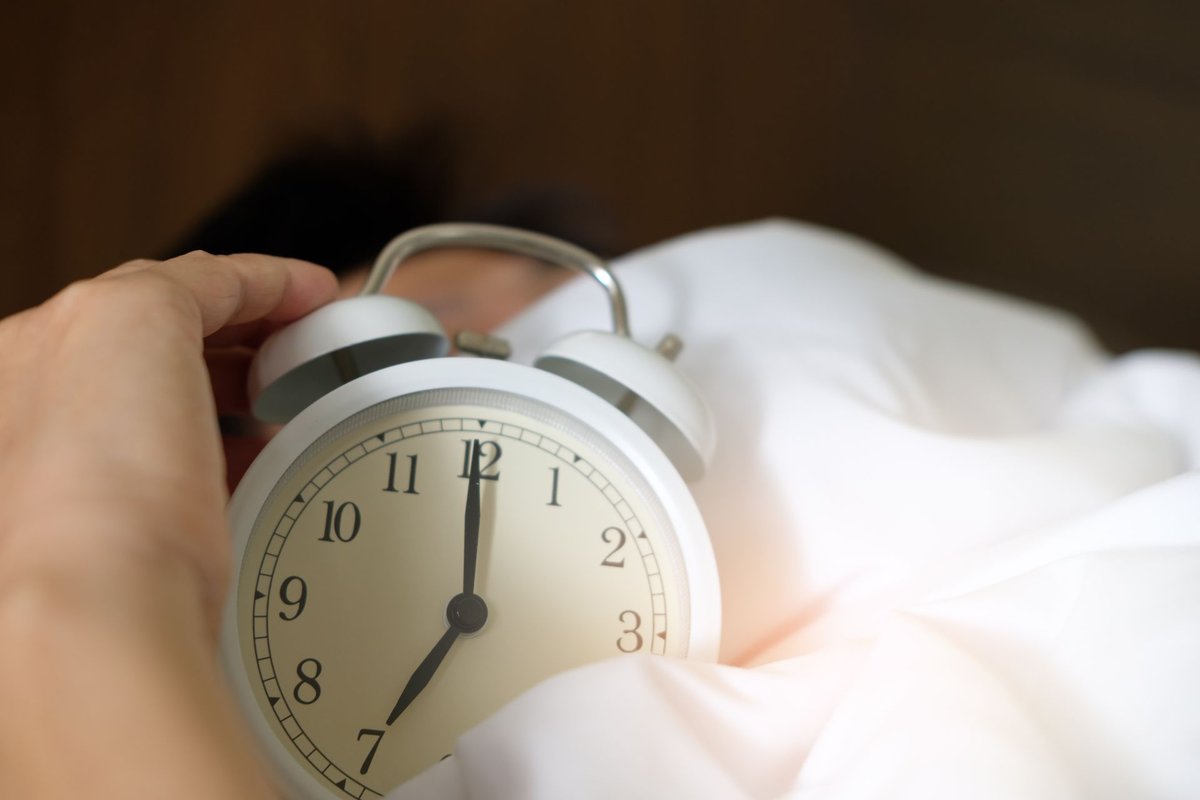
Daylight saving time sleep gets an "extra" hour when the clocks go back in fall, but your body clock doesn't reset as easily as the one on the wall. Here's how to get through that week without groggy mornings and early-evening sleepiness.
When the clocks go back, daylight saving time sleep seems to get a gift: an extra hour that night. But your biological clock doesn't switch with one turn of the hands — according to the Sleep Foundation, adjusting to the new schedule can take a week or longer. To make that week easier, shift your sleep and dinner ahead of time, catch morning light and keep your evenings calm.
Kazakhstan doesn't change its clocks, but the topic is familiar to anyone who lives in Europe or the US, travels there often or works with colleagues in other countries. A one-hour shift with partners and family also changes the usual rhythm of calls and meetings.
How does the fall time change work?
In the fall, the clocks go back one hour, and that night you get an "extra" hour. The time on the clock changes instantly, but your body's internal clock does not.
Our daily rhythm relies on light, mealtimes and activity. When the clock face shifts, the body keeps living on the "old" schedule for a few days: you feel sleepy earlier and wake up before the alarm. So it helps to think of the time change as a small flight across one time zone.
In the spring it works the other way: the clocks spring forward and you "lose" an hour of sleep. The fall change is usually easier, but it can still throw off appetite, mood and focus for a few days.
How does daylight saving time affect sleep?
The main challenge isn't the extra hour itself — it's the gap between your internal rhythm and the clock. For a few days, sleep may be lighter and evenings too drowsy.
- It gets light earlier in the morning, and early light can wake you before the alarm.
- It gets dark earlier in the evening, and specialists at Mass General Brigham note that the sleep hormone melatonin starts rising closer to dinnertime after the change.
- If you're already short on sleep, one extra hour won't cover your "sleep debt" — the Sleep Foundation makes the same point.
- Children, early birds and people with an already irregular schedule usually feel the shift most.
What should you do a few days before the clocks change?
It's best to start early and in small steps. An abrupt change in routine is harder than a gradual one.
- For a few evenings before the change, go to bed and get up a little later than usual — bit by bit, without big jumps.
- For the first few days, eat dinner about an hour earlier — a step recommended by Mass General Brigham. How to balance an evening meal and sleep is covered in "Eating late at night and sleep".
- Keep coffee and strong tea to the first half of the day: caffeine can stay in your system for more than 10 hours.
- Plan the first weekend after the change without late guests or late-night tasks.
Daylight saving time sleep adjustment tips for the first week
Rely on light and consistency. Getting up at the same time every day helps your body "believe" the new time faster.
- In the morning, get outside into daylight, even for a short walk — more in "Morning light".
- Don't sit in dim light too early in the evening: bright light in the early evening helps you avoid "switching off" at nine, and a sleep mask helps you not wake up at dawn.
- Don't sleep in until noon on weekends: a big gap in your schedule throws your rhythm off again.
- If you also have a flight across time zones that week, the tips in "Jet lag" will help.
How does an evening routine help you adjust faster?
Repeating the same steps before bed sends your body a clear signal: the day is over. The more consistent the routine, the easier it is to fall asleep at the new time.
Dim lights, a warm shower, a book instead of your news feed — find ideas in "Evening rituals for solid sleep". Many people add the Silent Nights patch to this routine — according to the company, it is designed to support relaxation and sleep and contains no melatonin.
A convenient way to start the morning is the Cellergize Morning drink with vitamins, minerals and amino acids as part of a calm, predictable start to the day. It is a dietary supplement, not a medicine: if you are pregnant, breastfeeding, taking medication or have a health condition, check with your doctor first.