Does stress age your face? Why your skin shows tension before your lab tests do
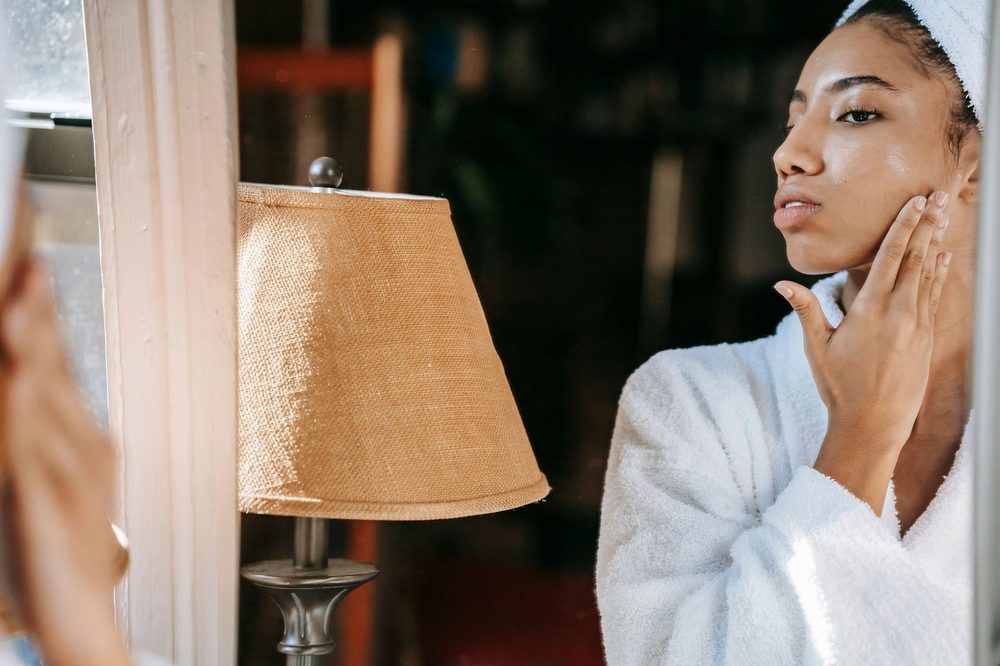
Does stress age your face? Stress and skin are directly linked: a gray tone, dryness, new fine lines and breakouts often appear before anything shows up in your lab results. Let's look at how stress affects skin, why poor sleep ages your face faster than an expensive cream can help it, and where to start recovering.
Questions and answers
How does stress affect facial skin?
Through stress hormones and inflammation. Under stress, oil glands produce more sebum, small wounds take longer to close, and collagen and elastin break down faster — so skin becomes irritated and dull and shows fine lines earlier.
Why does stress make you age?
Long-term stress keeps the body in alarm mode and gets in the way of recovery, including during sleep. According to dermatologists, stress hormones break down the proteins that keep skin firm, and poor sleep slows its recovery even further.
How can I help my face recover after stress?
Start with your nervous system, not a new jar of cream: a daily practice to release tension, movement, and sleep with a screen-free ritual. Keep your skin care simple for now — cleansing, moisturizing and SPF — and judge the results after a few weeks.
How does stress affect a woman's appearance?
Most often stress shows as a dull or uneven tone, dryness, breakouts, puffiness and tired-looking eyes. It can also increase hair shedding — usually temporarily. If the changes last for weeks, it's worth discussing them with a dermatologist.