Dry air in the house in winter: skin, sleep and what to do
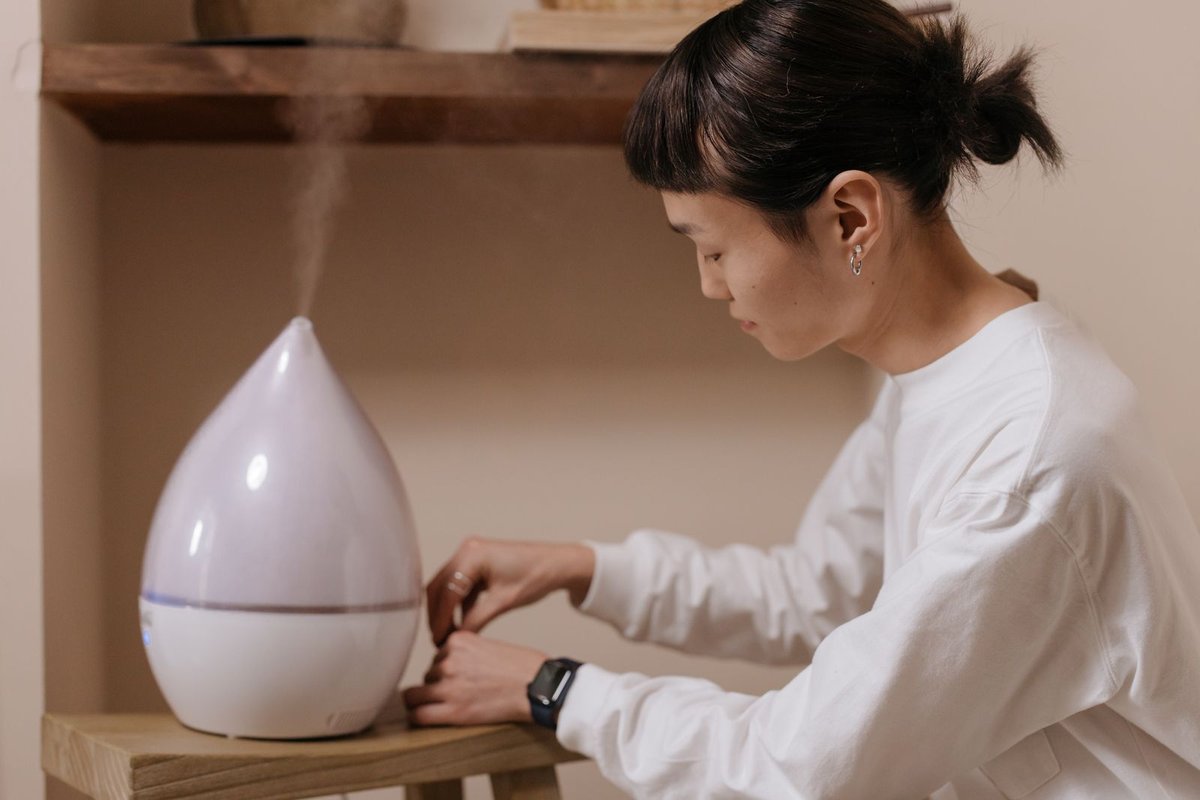
Dry air in the house in winter comes with heating season: radiators run at full blast, windows stay shut, and by morning your mouth is parched and your skin feels tight. Here is how to restore comfort with a humidifier, airing out and simple skincare.
Dry air in the house is a winter classic in homes with central heating, from Kazakhstan to Scandinavia. Cold outdoor air holds little moisture, and when it warms up indoors it becomes even drier. Hence dry skin and lips and a “sandy” feeling in your eyes in the morning.
What causes dry air in the house during winter?
It’s all about heating and closed windows. Radiators warm the air but don’t add moisture, so relative humidity drops (WebMD).
It’s especially noticeable at night, when we spend 7–8 hours straight in the bedroom. So the bedroom is the place to start.
Dry air in room in winter: what to do?
Measure humidity with a hygrometer and aim for 30–50% — the range Mayo Clinic considers optimal (Mayo Clinic). Above 50%, there’s a risk of condensation and mold.
- Turn the heating down slightly in the bedroom if you have a thermostat — cooler is better for sleep too.
- Drink water throughout the day: tips in our article How much water should you drink.
- Use a rich cream for your hands and lips: more in Winter hand care.
How to fix dry air in house in winter: how do you add moisture?
The most reliable way is a humidifier in the bedroom, but it needs care. A dirty humidifier can spray bacteria and mold into the air (Mayo Clinic).
- Change the water every day and use distilled or demineralized water.
- Clean the unit every three days, as Mayo Clinic advises, and replace filters on time.
- Air out rooms briefly and intensely rather than keeping a window cracked open all day.
For evening skincare in winter, the Alavida Night cream fits well into a calm bedtime ritual. And to relax more easily in the evening, many people add Silent Nights — according to the company, it’s a patch for relaxation and sleep without melatonin. More ideas in our article Evening rituals for sound sleep.