Hand care in winter: how to deal with dryness and cracked skin
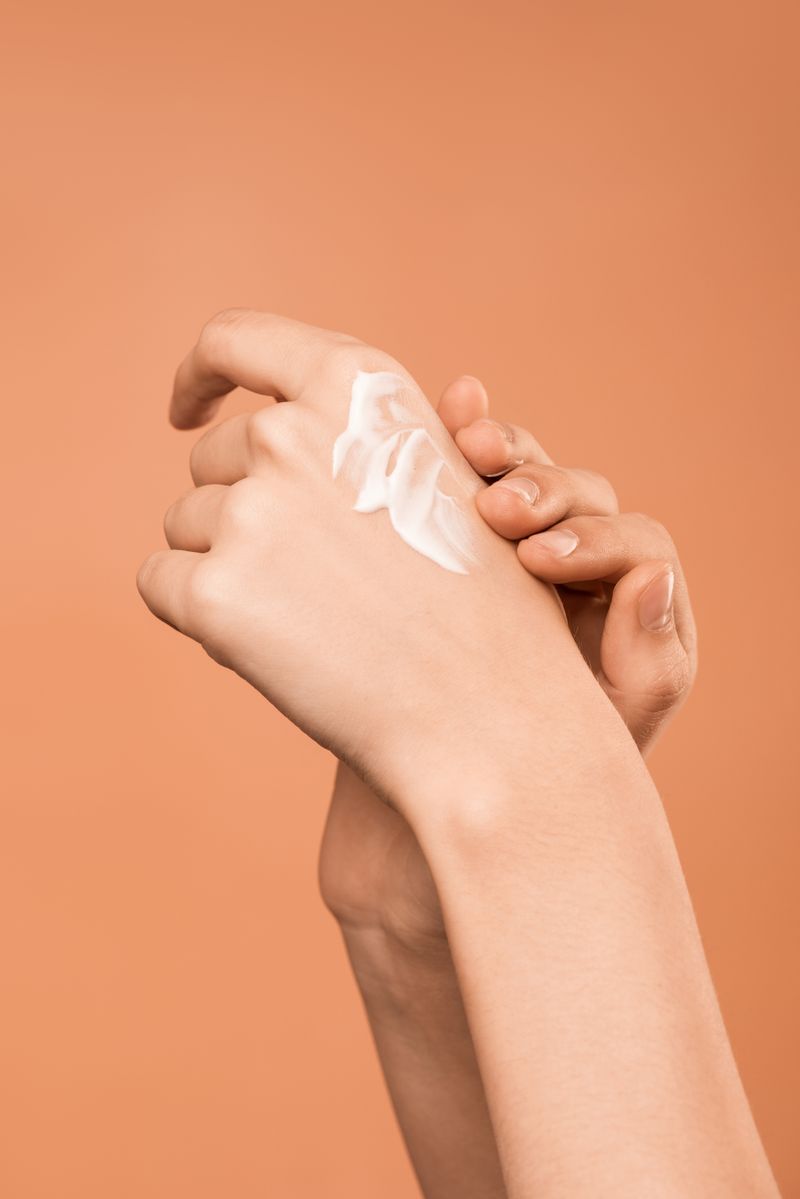
Cold outdoor air and dry indoor heating are a double blow to hand skin in winter. Here are simple habits that genuinely help.
The skin on your hands is thinner than on most other body parts and has almost no oil glands — that's why in winter it's often among the first to react with dryness and cracking.
What makes dryness worse in winter
- Cold wind and low outdoor temperatures.
- Dry air from indoor heating.
- Frequent handwashing with hot water and soap, which strips the skin's natural protective layer.
Simple habits that help
Apply cream right after every handwash, while the skin is still slightly damp — this helps the product lock in more moisture. Wear gloves outdoors, and use a humidifier indoors if you can.
When dryness is more than seasonal
If cracks on your hands are deep, painful, or don't heal despite regular care, it's worth seeing a dermatologist — you may need more specialized treatment.
For facial skin care, see "The Alavida ritual", which covers day and night care. For age-related skin changes, see "Age-related skin changes".