Fiber and Digestion: How Much You Need and Where to Get It
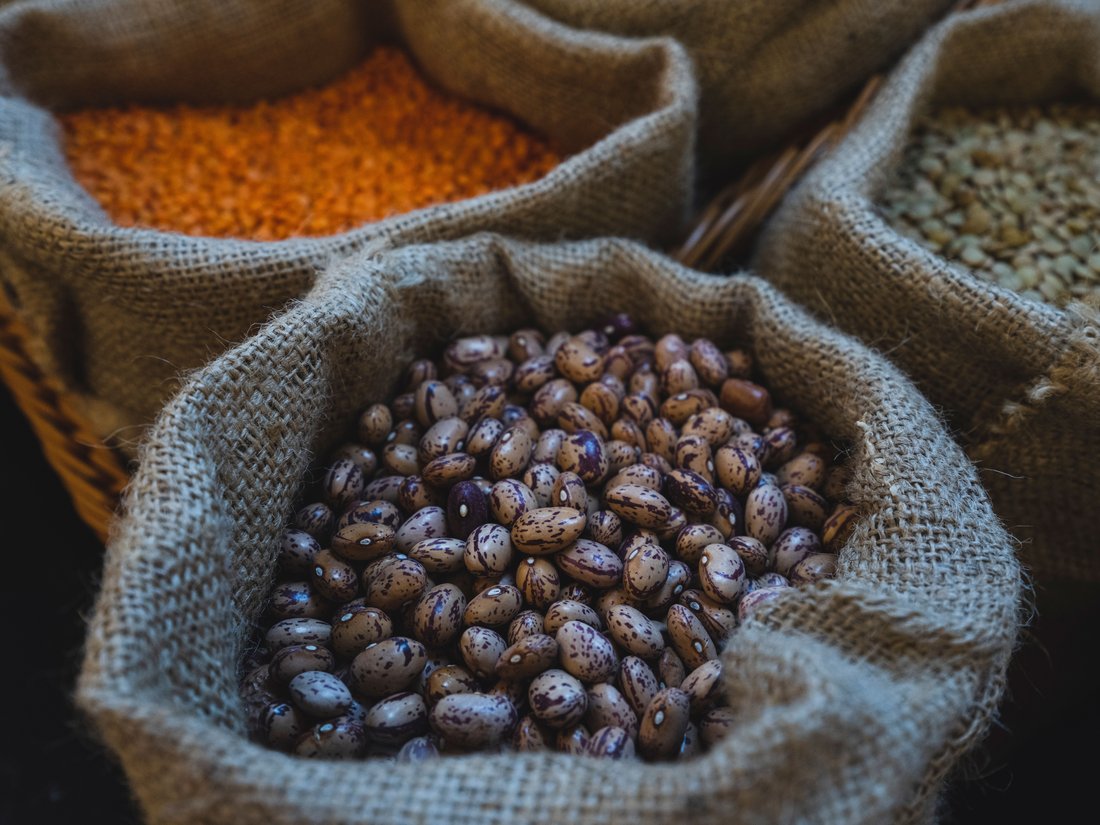
Fiber and digestion are closely linked: fiber affects how regular you are, how full you feel and how comfortable you are after meals. Here is which foods contain fiber, how it affects your gut and how to add more of it to your diet without bloating.
Fiber and digestion are directly connected: fiber helps your gut work regularly, keeps you full longer and smooths out blood sugar spikes after meals. Adults need about 25–30 g of fiber a day, and it's best to increase it gradually, with plenty of water.
Fiber is the part of plant food that your body can't digest on its own. Not getting enough is one of the most common — and most easily fixed — gaps in the diet: many people eat mostly processed foods with very little plant fiber.
The good news is that a high-fiber diet doesn't require special foods. The ordinary grains, vegetables, fruit and legumes you can find in any grocery store will cover your needs if you eat them every day.
Which foods contain fiber?
Fiber is found only in plant foods: vegetables, fruit, legumes, whole grains, nuts and seeds. Meat, fish, eggs and dairy contain none.
- Legumes — lentils, beans, chickpeas, peas.
- Whole grains and whole-grain bread — oatmeal, buckwheat, brown rice, whole-grain cereal.
- Vegetables — especially with the skins and stems: broccoli, cabbage, carrots, beets.
- Fruit and berries — pears, apples, raspberries, currants.
- Seeds and nuts — chia, flax, almonds.
Plant sources of protein are also rich in fiber — more on that in “Plant-based protein”.
Soluble fiber and digestion: how is it different from insoluble fiber?
There are two types of fiber, and both are useful in your diet.
- Soluble fiber (oatmeal, apples, legumes) slows down sugar absorption and helps keep cholesterol levels in check.
- Insoluble fiber (whole grains, vegetables, bran) adds bulk to stool and speeds the movement of food through your gut.
How does fiber help digestion and gut health?
Fiber makes bowel movements more regular and softer, and part of it feeds the beneficial bacteria in your gut. That's why a high-fiber diet supports both your digestion and the balance of your gut flora.
Bacteria break down soluble fiber, while insoluble fiber works like a “brush”, helping food move along. To learn how these bacteria are linked to your overall wellbeing, read “Probiotics and the gut microbiome” and “Gut health and wellbeing”.
Soluble fiber also slows sugar absorption, so after a meal with vegetables and whole grains your energy stays steadier, without a sharp dip an hour later.
Fiber for weight loss: does it help?
Fiber doesn't “burn fat” by itself, but it helps you stay full longer. Dishes with vegetables, legumes and whole grains are filling without being too high in calories.
- Start lunch with a salad or vegetable soup.
- Swap white bread and rice for whole-grain versions.
- Snack on fruit or a handful of nuts instead of sweets.
That makes it easier to keep calories in a sensible range without constant hunger. We covered how fiber smooths out energy swings in “Sugar and energy”.
How do you add more fiber without bloating?
The keys are going gradually and drinking water. A sudden jump in fiber is a common cause of stomach discomfort.
- Add one new food every few days and spread the transition over 2–3 weeks.
- Introduce legumes in small portions and cook them well.
- Drink more water: without enough fluid, fiber can actually slow your gut down.
For some people, the LifeWave X₂O home system helps make drinking water a habit: it filters water and turns it into Light-Infused Water — water infused with light. According to the company, this water supports hydration and overall wellbeing.
The bottom line
Fiber is one of the most underrated parts of the diet: it affects digestion, fullness and overall wellbeing. Start with legumes, whole grains and vegetables, add them gradually — and don't forget the water.
A simple plan for your first week: oatmeal for breakfast, vegetables at lunch and dinner, fruit as a snack. In the second week, add legumes a couple of times; in the third, swap white bread for whole-grain.