Hair Health: What Affects It and When You Need a Doctor
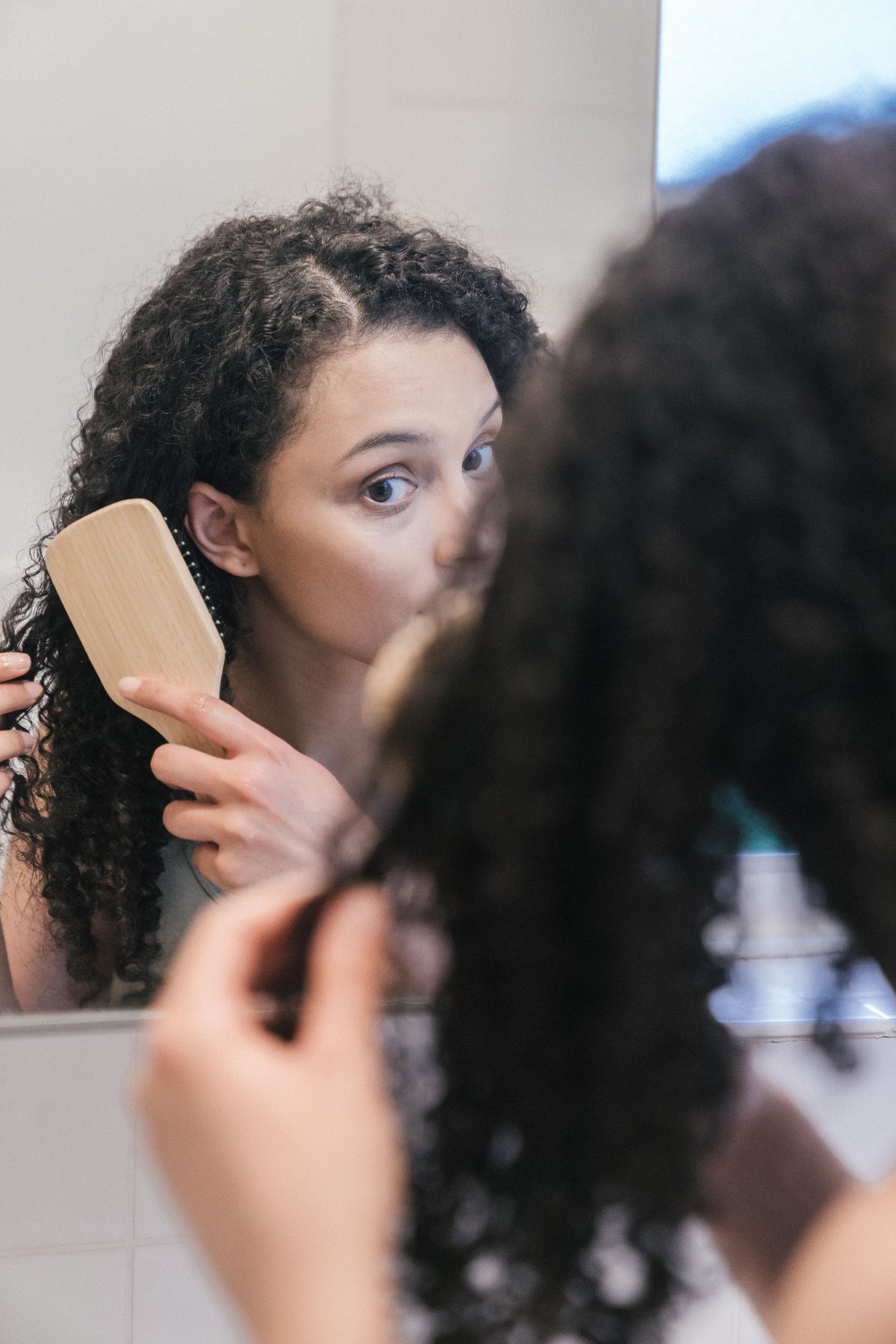
Hair health depends more on what's going on inside your body than on your shampoo: dull, brittle or thinning hair often signals something about nutrition, stress or hormones. Here's what really helps and when it's time to see a specialist.
Hair health depends above all on nutrition, stress levels, hormones and how gently you treat your hair. The hair follicle is one of the most active structures in the body, so it's one of the first to react to a lack of nutrients or chronic tension. The state of your hair often reflects what's happening inside more accurately than you might think.
What does hair health depend on?
Four groups of factors affect hair most often. Both the American Academy of Dermatology and Mayo Clinic write about this.
- Iron, zinc, vitamin D and protein deficiencies — common causes of thinning and breakage.
- Chronic stress — can temporarily push some follicles into a resting phase.
- Harsh hair care — frequent coloring, heat styling, tight hairstyles.
- Hormonal changes — pregnancy, childbirth, menopause, thyroid function.
How to improve hair health with food?
The foundation is enough protein, iron and healthy fats. Hair is made almost entirely of keratin, and keratin is a protein.
- Protein at every meal: eggs, fish, poultry, legumes, cottage cheese. How much you need is covered in our article on protein in your diet.
- Iron — from meat, legumes and leafy greens.
- Omega-3 fatty acids — support the scalp; more in our article on omega-3.
- Vitamin D — often runs low in winter; see our article on vitamin D.
Strict restrictive diets almost always show up quickly in the quality of your hair. Harvard Health writes in detail about hair health foods and the link between diet and hair.
Hair and nail health: is there a link?
Yes: hair and nails are made of the same protein — keratin — and react to the same deficiencies. If both your hair and nails have become brittle at the same time, check your nutrition first.
A deficiency can only be pinned down with blood tests, not by how you look. So it's better to start with a visit to your primary care doctor than with a random supplement.
Usually the doctor orders a complete blood count, ferritin, vitamin D and, if needed, thyroid hormones. The results will show whether you need to adjust your diet or take supplements, and in what form.
Hair health tips: what care helps and what harms?
Simple, gentle care helps; anything that damages the hair shaft mechanically or with heat harms it. These steps work for any hair type:
- gentle shampoos without harsh sulfates;
- minimal heat styling, and blow-drying on warm rather than hot;
- regular trims for split ends;
- loose hairstyles instead of tight ponytails;
- sun protection in summer — wear a hat.
A word about water: a very hot shower dries out both the scalp and the hair itself. Wash your hair with warm water and apply conditioner to the lengths, not the roots. Blot your hair with a towel rather than rubbing it: wet hair is especially vulnerable.
How do stress and sleep affect your hair?
Severe stress can cause temporary increased shedding that shows up 2–3 months after the event. It's usually reversible once the pressure eases.
Lack of sleep and constant tension also affect the hair growth cycle. That's why getting a full night's sleep and lowering stress are as much a part of hair care as shampoo. If you've felt drained for a long time, take a look at our article on burnout.
Simple steps help: a walk during the day, a calm evening without work and at least 7 hours of sleep. The effect on hair doesn't show right away — the growth cycle lasts months, so judge changes after two or three months, not after a week.
When do you need a doctor?
It's worth seeing a specialist if shedding is sudden, noticeable or comes with changes to the scalp.
A balanced diet, sleep and a calm pace of life help support your hair from the inside. Some people add the Y-Age Glutathione patch to this foundation: according to the company, it helps you relax and reduce stress and improves the appearance of skin. It's part of overall self-care, not a substitute for seeing a specialist.