Hair Health: What Affects It and When You Need a Doctor
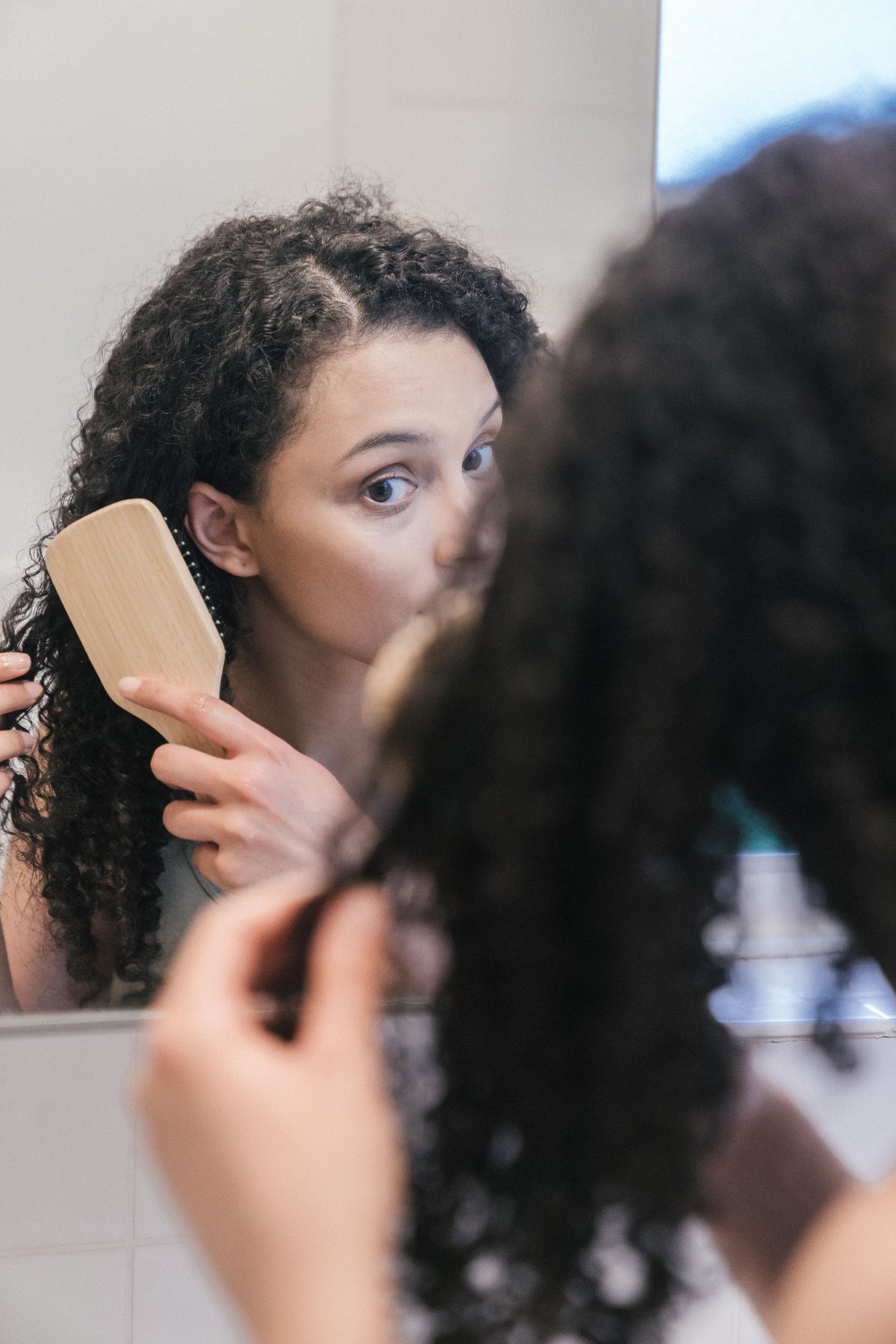
Dull, brittle, or thinning hair is often a signal not of a problem with the hair itself, but of something happening inside the body: nutrition, stress, hormones. We break down what actually helps and when it's time to see a specialist.
The hair follicle is one of the most metabolically active parts of the body, so it's one of the first to react to a lack of nutrients, chronic stress, or hormonal imbalances. The outward condition of your hair often reflects internal processes far more accurately than it seems.
What Most Often Affects Hair
- Deficiency in iron, zinc, vitamin D, and protein — common causes of thinning and brittleness.
- Chronic stress — can temporarily push some hair follicles into a resting phase.
- Aggressive care — frequent coloring, heat styling, tight hairstyles.
- Hormonal changes — pregnancy, childbirth, menopause, thyroid issues.
Nutrition for Hair
The basics are enough protein (hair is almost entirely made of keratin), iron from meat, legumes, and leafy greens, and omega-3 fatty acids, which support the scalp. Sudden restrictive diets almost always show up quickly in hair quality.
Simple Care That Helps
Gentle, sulfate-free shampoos, minimizing heat styling, regularly trimming split ends, and sun protection in summer are simple steps that reduce mechanical damage to hair regardless of type.
Supporting hair from the inside is helped by a balanced diet combined with antioxidant support for cells — for example, some people use a course of Y-Age Glutathione as part of overall self-care alongside good sleep, which also directly affects the hair growth cycle.