Excess weight in cats and dogs: how to help your pet without stress
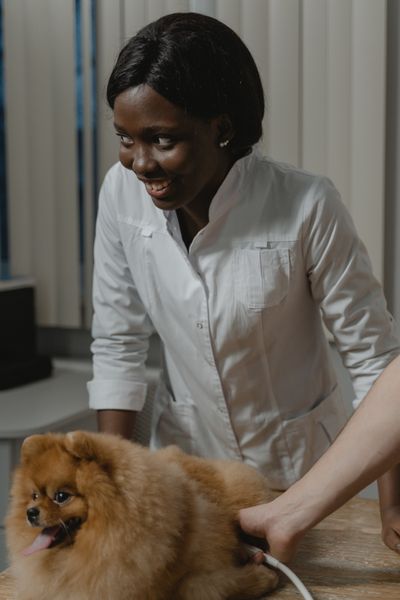
Excess weight in cats and dogs is one of the most common problems in pets. Here is how to spot it at home and how to lose the extra gradually, without drastic restrictions.
Excess weight in cats and dogs can be spotted at home by three signs, the ribs, the waist and the belly, and it should be lost gradually: through a precise diet and more movement, together with your vet. Drastic restrictions here are more dangerous than the weight itself.
An extra 1–2 kilograms (2–4 lb) on a small dog or cat is, proportionally, far more than it seems to the owner. Excess weight increases the load on the joints and heart and lowers your pet's overall activity.
Why does a dog become overweight?
Most often the reason is simple: the pet takes in more energy than it burns. An overweight dog usually gets that way through small things owners don't notice.
- Food is poured "by eye" rather than measured.
- Treats and table scraps throughout the day.
- Short walks and little active play.
- Age: over the years many animals move less, while portions stay the same.
Recommendations on nutrition and weight management for dogs and cats are collected in the AAHA guidelines.
How can you tell if a dog or cat is overweight at home?
Look at your pet from above and from the side and feel the ribs; that's enough for a first assessment.
- You should be able to feel the ribs with light pressure, but not see them.
- Looking from above, your pet should have a visible waist behind the ribs.
- The belly shouldn't sag when you look from the side.
A vet can assess it more precisely using a body condition score and will also tell you what weight to aim for.
How can an overweight dog lose weight safely?
Weight loss in animals should be gradual. It's best to discuss a plan with your vet, who can help calculate the right calorie intake and choose a food.
- Measure food with a measuring cup or a scale, not "by eye".
- Count treats in the daily ration and cut back on them.
- Agree with the whole family that no one feeds the pet from the table.
- Weigh your pet regularly and write down the result.
Why shouldn't cats lose weight quickly?
Sudden fasting, especially in cats, can lead to serious liver complications. That's why it's especially important for cats to lose weight slowly and under a vet's supervision.
- Don't cut the portion sharply and don't leave your cat without food.
- Use food puzzles, which slow down eating and add movement.
- Add short hunting-style play sessions several times a day.
Ideas for getting an indoor cat moving are in "Keeping an indoor cat active".
How does activity help a pet lose weight?
Extra play sessions, longer walks and food puzzles help increase energy use without stressing your pet. Start gradually, especially if the animal has been inactive for a long time.
- Lengthen walks little by little, not doubling them at once.
- Add ball games or new routes to your walks.
- For senior dogs, choose a calm pace and soft ground.
Regular walks are good for the owner too; read more in "Walking a dog: how it benefits the owner's own health". For caring for older dogs, see "Senior dog care".
How do you know weight loss is on track?
A good sign is that the weight comes off slowly and steadily while your pet stays lively and eats willingly. Regular weigh-ins and follow-up vet visits help you adjust the plan in time.
- Weigh your pet at the same time and on the same scale.
- Record weight, portions and changes in activity.
- Don't expect quick results; what matters is that the new habits become permanent for the whole family.
Owners of senior and less active pets often ask us about AcuLife, a version of LifeWave technology for animals. According to the company, it is used to support mobility and activity. Read more in "AcuLife: what owners need to know"; talk to your vet before using it.