Age-related hearing loss: how to notice it in time
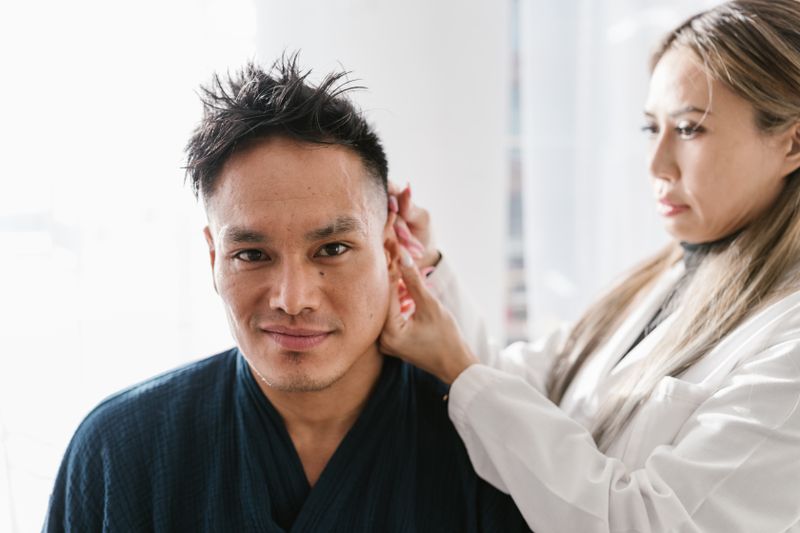
Age-related hearing loss develops so gradually that family members often notice it before the person does. Here is why hearing declines with age, what the early signs are and how to protect it.
Age-related hearing loss — presbycusis — develops slowly and usually affects both ears equally. High-pitched sounds and speech in noisy places become harder to make out first, so it's important to check your hearing regularly and protect your ears from loud noise.
The changes are so gradual that people get used to them and don't notice them themselves. Often, family members are the first to pick up on it.
What causes age-related hearing loss?
Hearing declines with age because of gradual changes in the inner ear and the auditory pathways — a natural part of aging.
According to the NIDCD, age-related hearing loss is one of the most common changes in older adults. How fast it progresses depends on genetics, years of noise and overall health, including the health of blood vessels.
How fast does age-related hearing loss progress?
Hearing sharpness declines unevenly with age: high-pitched sounds fade first, then speech becomes harder to follow.
- Women's and children's voices seem quieter and less clear.
- Similar consonants are hard to tell apart, and words "blur together."
- Background noise gets in the way more than before.
- It's easy to miss the phone ringing or an appliance beeping.
What are the early signs of hearing loss with age?
The main early signs show up in conversation: you keep asking people to repeat themselves and get tired of talking in noisy places.
- Frequently asking people to repeat a phrase.
- Feeling that everyone around you "mumbles."
- Trouble talking in noisy places — cafés, public transport.
- The TV turned up unusually loud.
What speeds up age-related hearing loss?
Loud noise that we're exposed to for years speeds up age-related changes the most.
Long-term exposure to loud noise — at work, through headphones, at concerts — is one of the main factors that speeds up age-related hearing changes, besides aging itself. Smoking and the state of your blood vessels play a role as well.
How to prevent age-related hearing loss from progressing?
Regular checks, noise protection and caring for your blood vessels help protect your hearing.
- Have your hearing checked after 50–55 and then regularly.
- Wear earplugs or noise-canceling headphones in noisy places.
- Listen to music through headphones at a moderate volume and take breaks.
- Keep an eye on your blood pressure and overall vascular health.
Many of these habits match what people in the "Blue Zones" do — more in "Habits of long-lived people".
Why shouldn't you put off a hearing test?
When people don't hear well, they start avoiding conversations and get-togethers, and connection is an important part of health at any age. More on this in "Social connections and health".
If hearing loss is confirmed, a specialist will suggest a suitable way to correct it. The sooner you do this, the easier it is to get used to the new sensations and the fewer conversations and gatherings pass you by. The test itself usually doesn't take long and isn't uncomfortable.
How to support a loved one whose hearing is declining?
The best support is patience and a few simple conversation rules, not jokes about being "deaf."
- Face the person when you speak so they can see your lips and expressions.
- Speak a little more slowly and clearly, but without shouting.
- Turn off the TV and music during a conversation.
- Gently offer to go to a hearing test together.
Don't end with "never mind, it's not important" if the other person didn't catch what you said — rephrase it. People are often embarrassed to admit their hearing has gotten worse. Calm support from family helps them not to put off seeing a specialist. For how to care for your parents without burning out yourself, see "Caring for aging parents".
For eyesight and age, see "Eyesight and age", and for memory, "Memory and concentration as you age". For overall wellbeing and energy, many people add the X39 patch to their routine — according to the company, it helps you feel more energy during the day. The patch doesn't replace a hearing test.