Preparing for a hike: how to plan your water and effort in advance
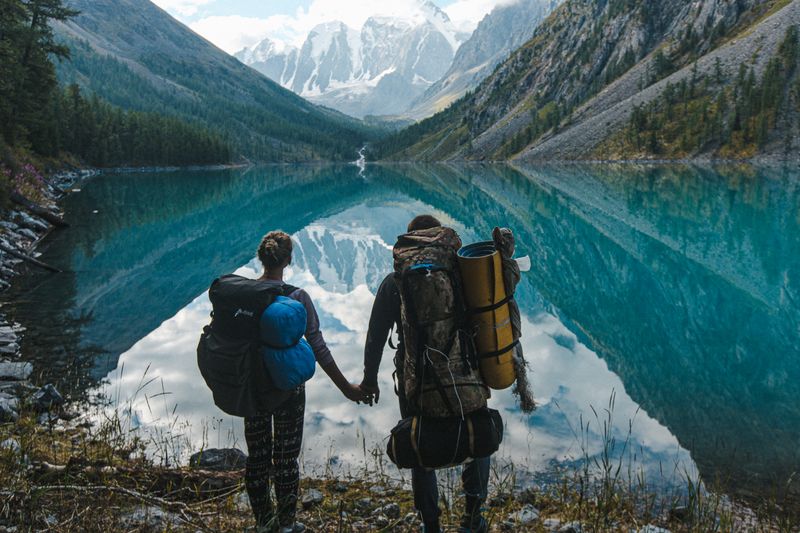
Preparing for a hike starts a few weeks before you set out: with training, planning your water and a gear list. Here is how to get ready for a day on the trail or in the woods so the route is a joy, not an ordeal.
Preparing for a hike comes down to three things: a bit of training in advance, planning water and food for the route, and well-chosen gear. Even a day hike is physical exercise that needs preparation, especially if you rarely walk long distances.
Below is a simple plan that works for a day hike in nature, in the woods or on an easy trail. We covered mountain routes and treks with elevation gain in detail in "How to prepare for mountain hiking and trekking".
How do you prepare for a hike physically?
Start a few weeks before you set out: regular walks and light workouts lower the risk of exhaustion and injury on the first day. The longer the route, the earlier you should start.
- Walk more often and gradually increase the distance.
- Add stairs or hills — they prepare your legs for uneven trails.
- Do a few walks carrying a pack of roughly the weight you'll take on the hike.
- Break in your hiking shoes in advance, not on the day you set out.
Why ordinary walking is a good foundation for any preparation is covered in "Benefits of walking".
How do you plan water for the route?
A rough guide is 0.5–1 liter (17–34 fl oz) per hour of activity in moderate weather; in the heat you need more. Detailed hydration advice for hiking is available from REI.
- Estimate your time on the trail and multiply it by the water guideline.
- In hot weather or on open terrain, plan for more.
- Find out in advance whether there are water sources on the route, and don't rely on them without checking.
- Carry a little more than planned — running out of water on the trail is more dangerous than extra weight in your pack.
How much water you need on ordinary days, without exercise, is covered in "How much water do you need".
What to bring: preparing for a day hike
The basic kit is the same for any route, even a one-day one: shoes, clothing for the weather, water, food and supplies for the unexpected. The full list of the so-called "Ten Essentials" is given by REI.
- Comfortable, broken-in shoes and socks that don't rub.
- Layered clothing: a base layer, insulation and protection from wind and rain.
- A map or offline navigation, a charged phone, a flashlight.
- A first-aid kit, sun protection, a hat.
- Water and snacks with some to spare.
How do you prepare for a hike in the woods?
In the woods, navigation and protection from insects and moisture matter most. Trails may be harder to see, and cell coverage may drop.
- Download an offline map and mark your starting point.
- Wear clothing and shoes that cover you, and bring insect repellent.
- Take spare socks — wet feet blister quickly.
- Don't leave the trail if you don't know the area well.
How do you pace yourself on the trail?
Walk at a pace where you can still talk comfortably, and take short stops for water and snacks. That way you use your energy evenly, and the second half of the route doesn't turn into an ordeal.
If your hike falls on a hot day, the tips in "Exercising in hot weather" will help.
What should you eat on a hike?
Bring simple, energy-dense food that's easy to eat on the go: nuts, dried fruit, sandwiches, bars. It's better to snack a little at every stop than to eat one big lunch and then walk on feeling heavy.
For ideas, see "Snacks for energy".
How do you recover after a hike?
After the route, give your body time: water, proper food, sleep and light movement the next day. Before and after physical activity, many people use the X39 patch — according to the company, it helps support energy and recovery. How to build it into a training routine is covered in "X39 for athletes".
If you dream of a multi-day walking route, read "Camino de Santiago preparation".