How to prepare for hiking in the mountains: an active vacation without injuries
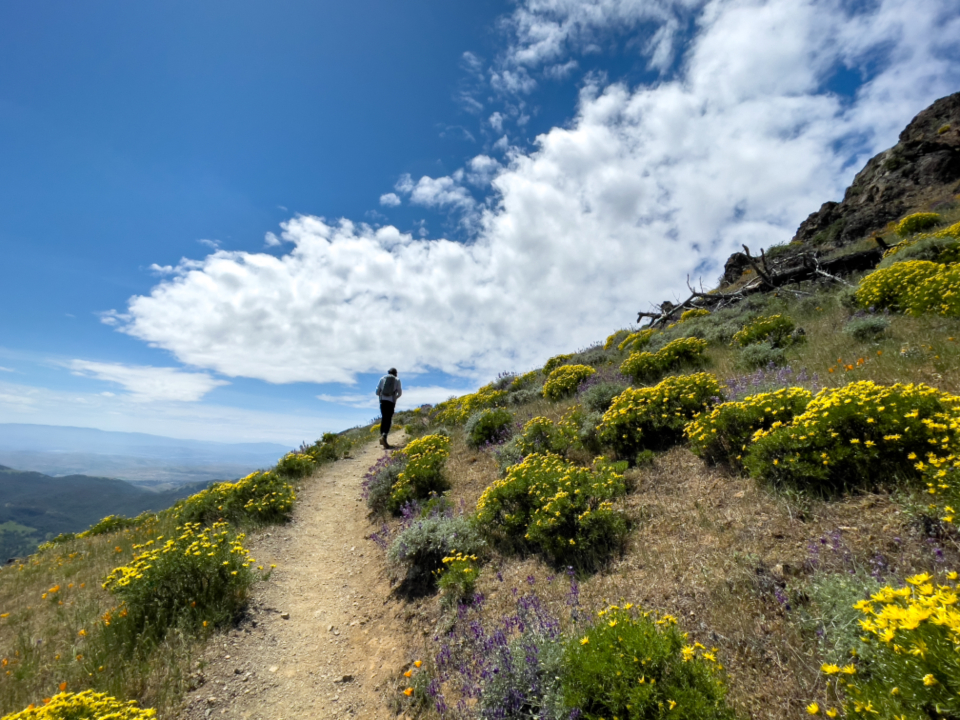
How to prepare for hiking in the mountains? Start 4–6 weeks before your trip, wherever you're headed — the Rockies, the Alps or the Caucasus. Here's how to build endurance and leg strength, what to pack and how to avoid altitude sickness.
How to prepare for hiking in the mountains: 4–6 weeks of endurance and leg strength training, broken-in boots, a well-thought-out packing list and knowing how to behave at altitude. This kind of preparation makes a mountain vacation far more comfortable and lowers the risk of injury.
An active vacation isn't just beautiful scenery — it's also a physical load that an office worker's body often isn't ready for. 15–20 kilometers (9–12 miles) a day with elevation changes, a backpack, unfamiliar food and sleeping in a tent. The good news: a few weeks of preparation at home solve most of the problems.
How to train for hiking in the mountains?
What matters most is endurance and strong legs. You can build them at home and around town, no special gym required.
- Endurance: brisk walking, running or cycling for 40–60 minutes 3–4 times a week.
- Legs: squats, lunges, step-ups — twice a week (basic bodyweight strength exercises work well).
- Stairs: climbing stairs with a backpack is the best training for the mountains — and a great option if you train for mountain hiking in the gym on a stair machine.
- Stretching after workouts — for mobility and comfort on long days on the trail.
Regular moderate activity is good for you in its own right, as WHO points out. For a multi-day route, gradually increase the length of your walks and the weight of your backpack.
Mountain hiking for beginners: how do you choose your first route?
For your first time, choose a short, popular route with a marked trail and modest elevation gain. Near many big cities — from Denver to Almaty — there are half-day trails, and that's the place to start.
- Go with experienced friends, a group or a guide.
- Study the route, the hiking time and your turnaround point in advance.
- Check the weather forecast — in the mountains it changes quickly.
- Tell someone where you're going and when you plan to be back.
If you'd like to plan your water and effort in advance, see "Preparing for a hike: how to plan your water and effort".
What to take on a day hike in the mountains?
The basic principle: a light backpack, but with enough to handle a change in the weather.
- Broken-in hiking boots — don't wear new ones on the first day of your trip.
- Layered clothing: thermal base layer, fleece, a wind- and waterproof jacket, a hat.
- Water and snacks: nuts, dried fruit, bars.
- Sunscreen, sunglasses and a hat — more on skin protection in "How to protect your skin from the sun".
- A first-aid kit, a flashlight, a charged phone and a power bank.
- Trekking poles — they take the load off your knees on the way down.
What is altitude sickness and how do you avoid it?
Above 2,500 meters (about 8,200 ft), many people develop signs of altitude sickness: headache, nausea, weakness, poor sleep. The main rules are to gain altitude gradually, "sleep lower than you climbed during the day", drink water and take your time. If symptoms get worse, head down and seek medical help (NHS).
We cover how to adapt to altitude in the first days in detail in "Exercising at high altitude".
How do you protect your legs and knees on the trail?
The main load on your knees comes not on the way up but on the way down. That's why it's important not to rush on the descent and to place your feet carefully.
- Use trekking poles — they take some of the load.
- Take short steps and don't jump from rock to rock.
- Take a short break every hour to hour and a half.
If pain in your joints or muscles doesn't go away after rest or gets worse, stop the hike and see a doctor.
Foods for hiking in the mountains: how to eat and drink on the trail?
- Drink regularly without waiting until you're thirsty: in the mountains you lose more water (more on this).
- Bring snacks with carbs and protein: nuts, dried fruit, bars.
- In the evening — a proper dinner, light stretching and an early night.
Recovery on a multi-day trek is a task of its own. For physical load and endurance, LifeWave offers the X49 patch, and together with X39 it's available in the Performance Bundle. For comfort in movement on long days, many people bring IceWave patches. We explain how recreational athletes fit the patches into their routine in "X39 for athletes".