Preventing Knee Injuries: How to Lower Your Risk During Training
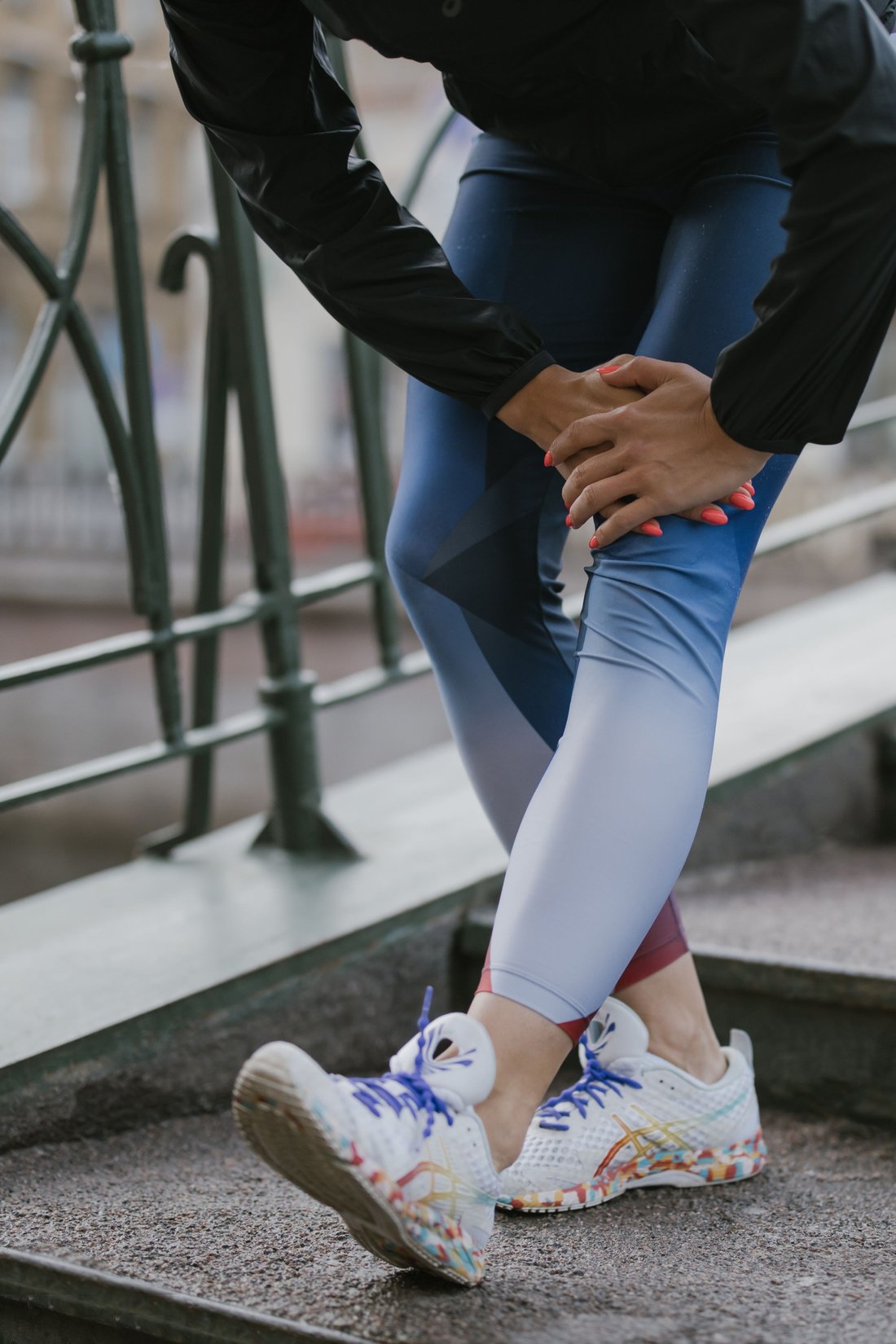
Preventing knee injuries rests on three pillars: warming up, strong muscles around the joint and a gradual increase in load. Here are the habits and exercises that genuinely lower your risk, and the myths you can ignore.
Preventing knee injuries comes down to warming up before exercise, strong thigh and glute muscles, correct technique and gradually increasing your training volume. In most cases, it's these habits — not giving up sport — that lower the risk of knee problems.
The knee is a complex joint that takes your body weight with every step, squat and jump. With age and without preparation, the risk of discomfort and injury goes up, but you can lower it noticeably with mindful habits (AAOS).
Why is the knee so vulnerable during training?
The knee works like a hinge between two long bones and has almost no muscle protecting it directly. Its stability comes from ligaments and the muscles of the thighs and glutes.
When those muscles are weak, tired or not warmed up, the load falls on the ligaments and cartilage. These tissues lose elasticity with age, which is why prevention becomes especially important after 35–40.
Excess weight and long hours of sitting are another factor: the less you move during the day, the weaker your stabilizing muscles and the harsher any sudden load is for your knee — from a run to a weekend soccer game.
Why warm up before exercise?
Cold muscles and ligaments absorb load less well. Five to ten minutes of light cardio and dynamic stretching before a workout isn't a formality — it's genuine injury prevention.
- 3–5 minutes of brisk walking, stationary cycling or easy jogging;
- leg swings forward and to the side;
- shallow bodyweight squats and lunges;
- ankle and hip circles.
When and how to stretch is covered in detail in “Stretching before and after a workout”.
Which knee injury prevention exercises strengthen the muscles around the knee?
The knee's main helpers are the thigh and glute muscles. The stronger they are, the less load reaches the ligaments.
- bodyweight or lightly loaded squats with correct technique;
- forward and side lunges;
- glute bridges;
- hamstring curls;
- calf raises.
Two to three strength sessions a week already make a noticeable difference. Where to start if you haven't trained in a while is covered in “Strength training after 40”.
Start with bodyweight and a small number of reps: for example, 2–3 sets of 10–12. Only add weight once you can perform the movement confidently and without discomfort in your knee.
Why does technique matter more than weight?
Many knee injuries come not from the exercise itself but from technique mistakes. It's better to lower the weight and do the movement correctly.
- The knee caves inward during a squat or lunge.
- Your weight is on your toes instead of spread across the whole foot.
- Uncontrolled range of motion, “dropping” into the bottom position.
Preventing knee injury when running: how should you increase the load?
A sudden increase in volume or intensity is one of the most common causes of joint injuries, especially among runners. The general rule is to add no more than 10% a week.
Shoes matter too: a worn-out sole absorbs impact less well and can change your stride. If you're new to running, see “Running for beginners”. Moderate running with good technique doesn't wreck your knees by itself (British Journal of Sports Medicine).
What should you do after a hard session on your knees?
After a leg-focused workout, a cool-down, stretching, foam rolling and rest between hard days all help.
When there's noticeable fatigue or mild puffiness, many people use local cooling. Some apply IceWave patches around the knee: according to the company, they help you feel more comfortable as you move. For broader recovery support after exercise, people use the X49 patch, which the company positions as support for endurance and recovery.
Warming up, strong muscles and a gradual approach are the three pillars of healthy knees. If an injury does happen, read about the first steps in “Recovering from a sports injury”.