Recovering from a sports injury: basic principles for the first days
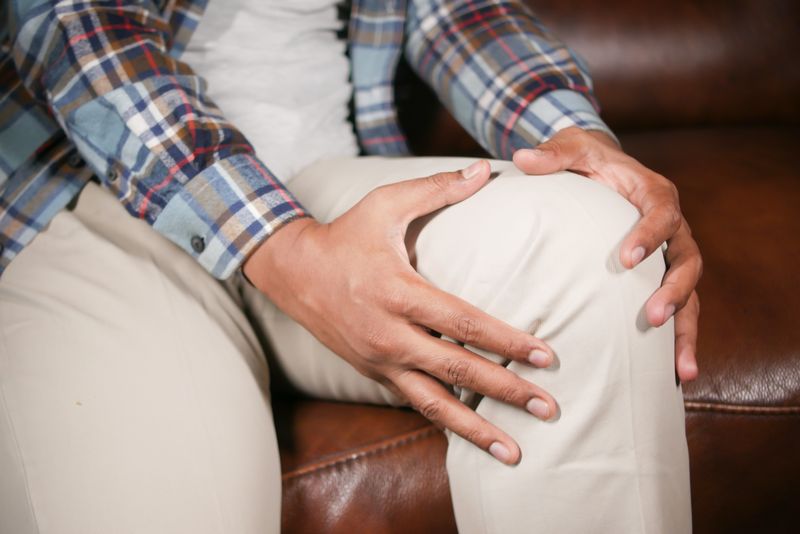
Sprains and bruises happen even with careful training. Here are general first-aid principles and how to gradually return to activity.
Mild sprains and bruises are common companions of an active lifestyle. How you handle the first days largely determines how quickly and smoothly recovery goes.
First aid in the first hours
The classic approach is rest, ice, compression and elevation of the affected area (the P.R.I.C.E protocol). It helps reduce swelling and pain in the first 24-48 hours after an injury.
What not to do right after an injury
- Continuing to train 'through the pain' — this can make the damage worse.
- Applying heat right away — in the first days it can increase swelling.
- Fully immobilizing the limb longer than recommended without a specialist's advice.
How to return to activity
Returning to activity should be gradual — from light pain-free movement to a full workout. Jumping straight back to your previous level of activity is a common cause of repeat injuries.
For self-massage for muscle recovery, see "Self-massage for muscle recovery", and for stretching, "Stretching and flexibility". Many use X49 together with X39 and the cooling IceWave to support recovery after exercise.