How to Lower the Risk of Knee Injuries During Training
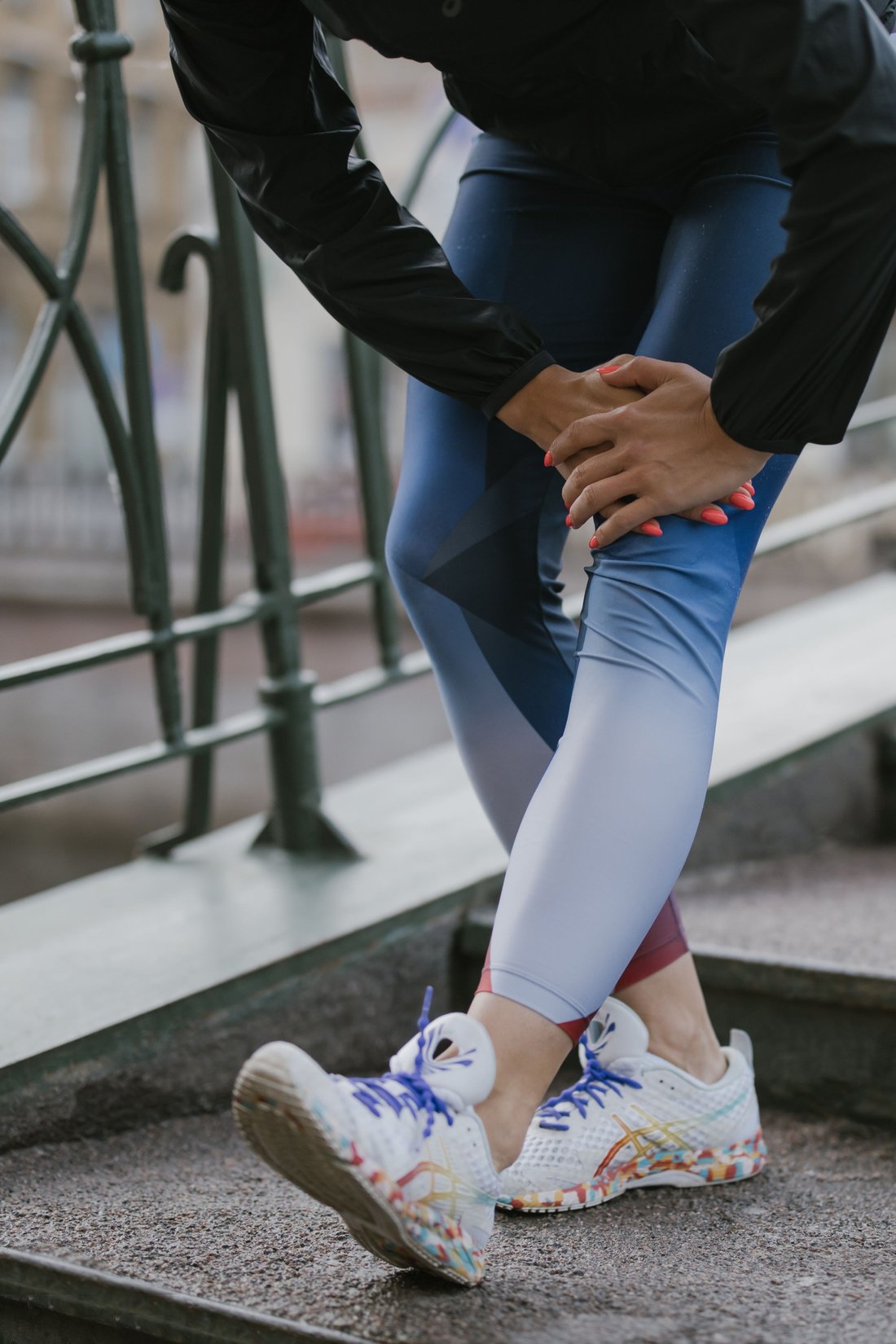
The knee is one of the most vulnerable joints during regular training, especially with age. We break down which habits and exercises actually reduce the risk of injury, and which myths you can safely ignore.
The knee is a complex joint that bears the weight of the body with every step, squat, and jump. With age and without targeted preparation, the risk of discomfort and injury in this area rises, but in most cases it can be reduced through deliberate habits rather than giving up training altogether.
Warming Up Before Exercise
Cold, unwarmed muscles and ligaments absorb load less effectively. 5–10 minutes of light cardio and dynamic stretching before the main workout isn't a formality — it's real injury prevention.
Strengthening the Muscles Around the Knee
The knee itself is a joint between bones, and its stability comes primarily from the thigh and glute muscles. Useful exercises:
- bodyweight or lightly loaded squats, with proper technique;
- forward and lateral lunges;
- glute bridges;
- hamstring exercises (leg curls).
Technique Matters More Than Weight
Many knee injuries come not from the exercise itself but from technique mistakes: the knee caving inward during a squat, the foot distributing weight incorrectly, an uncontrolled range of motion. It's better to lower the working weight and perform the movement correctly than to chase progress with poor technique.
Gradual Progression of Load
A sudden increase in training volume or intensity is one of the most common causes of joint injuries, especially in runners. A general rule is to increase training volume by no more than 10% a week.
Recovery After Knee-Heavy Training
After intense leg-focused training, stretching, a foam roller, and localized cooling can help if the joint feels notably tired or mildly swollen. Many people use IceWave patches around the knee area for this, and for a broader recovery effect after exertion, the X49 patch.
Preventing knee injuries rests on three pillars: warming up, strong muscles around the joint, and gradually building up training load. If an injury does happen, read more about recovery in "Recovering From an Injury".