First Aid at Home: A Basic Kit and Simple Rules
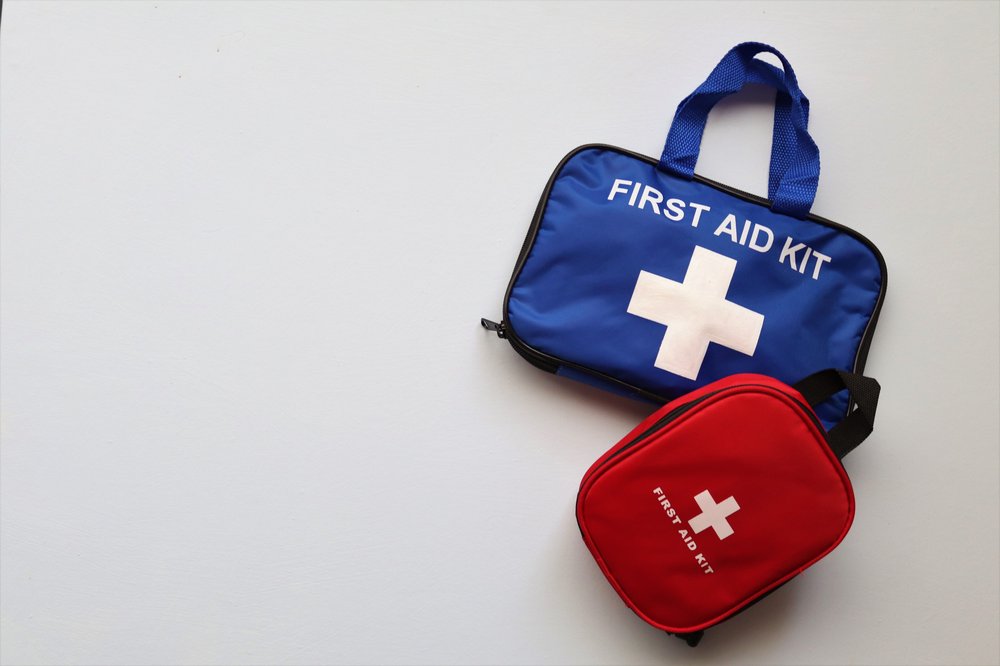
A cut, burn, bruise, or sprain always happens at the worst possible moment. Here's what should be on hand in a home first aid kit and how to act in the first few minutes before a doctor gets involved.
Most household injuries — kitchen cuts, minor burns, bruises, sprains from an awkward step — don't require an ambulance, but they do require the right first steps. A bit of preparation ahead of time saves precious minutes when something happens.
What Should Be in a Home First Aid Kit
- Sterile bandages, gauze pads, and adhesive strips in various sizes, antiseptic for cleaning wounds, an elastic bandage.
- Scissors, tweezers, and disposable gloves, a thermometer, and a fever reducer.
- A burn remedy, an antihistamine for allergies, and family members' personal medications — clearly labeled and within their expiration date.
What to Do for a Cut
Press a clean cloth or gauze against the wound and hold pressure for a few minutes until the bleeding stops. Rinse the wound with clean water, apply antiseptic to the edges, and put on a sterile bandage. If bleeding doesn't stop after 10–15 minutes, or the wound is deep, seek medical help.
What to Do for a Burn
Immediately cool the affected area under cool running water for 10–20 minutes — this limits how deep the tissue damage goes. Don't use ice, oil, toothpaste, or other "folk" remedies. After cooling, cover the burn with a clean, non-stick dressing, and see a doctor if the pain is severe or the affected area is large.
What to Do for a Bruise or Sprain
The classic first-response formula: rest, ice, light compression, and elevating the limb. Apply ice through a cloth for 15–20 minutes at a time, with breaks, during the first 24 hours — this helps reduce swelling and discomfort.
For comfort after bruises and sprains, many people keep IceWave patches from LifeWave on hand — they're easy to apply to the area of discomfort while natural tissue repair takes place. For more on recovering from more serious injuries, read "Recovering From an Injury".