Kneipp walk at home: simple water routines for a fresh boost
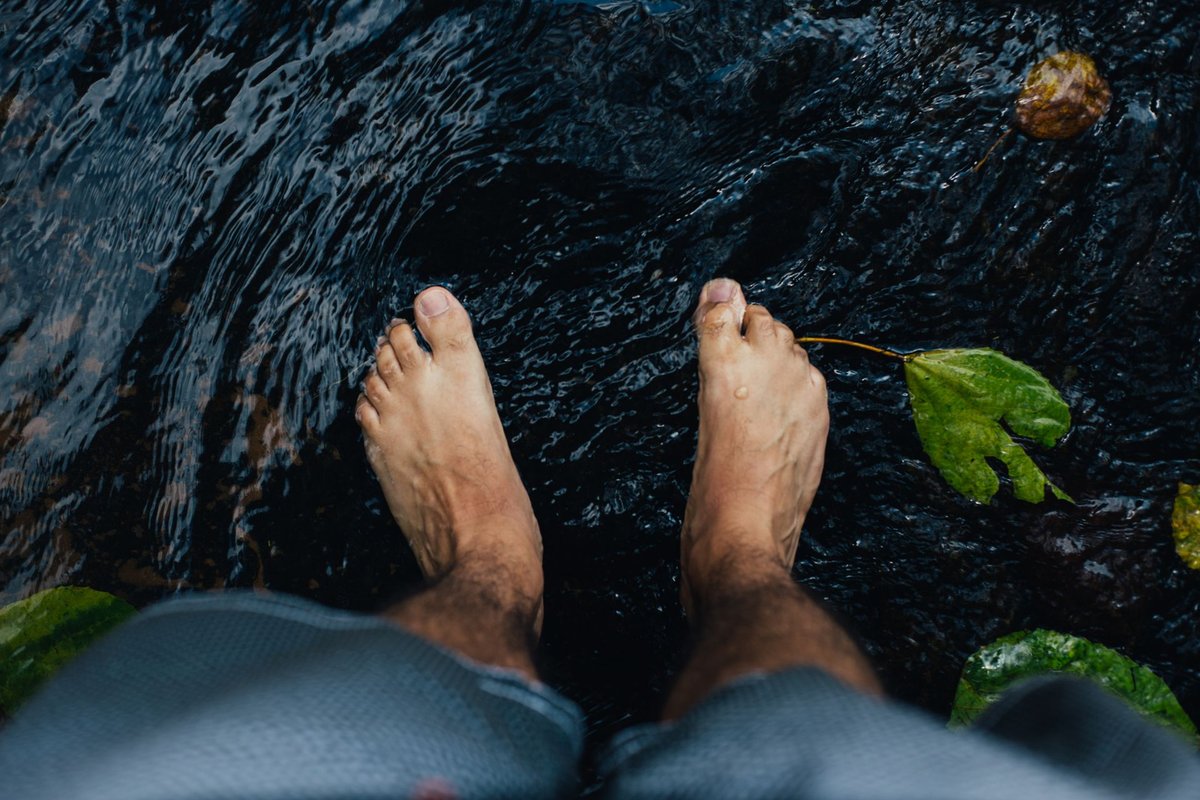
A Kneipp walk means treading through cool water, a practice Germans have known for more than a hundred years. Here's what it's good for, how to do it and how to set one up yourself at home.
A Kneipp walk is a shallow pool of cool water that you walk through with a "stork step," lifting your legs high. In English it's also called water treading, and the name is pronounced "k-nipe." You can easily recreate the basics at home in a bathtub or a tall basin in a few minutes.
You'll find these pools in many parks and spa towns in Germany. The method is linked to the priest Sebastian Kneipp who, according to the Kneipp company, rediscovered the power of simple water routines.
What are the benefits of a Kneipp walk?
First and foremost, it's an invigorating ritual: cool water, walking and a pleasant warmth in your legs afterward. Many people find it helps them wake up in the morning or switch off in the evening.
- The contrast of cool water and warming up afterward gives a feeling of freshness and lightness in the legs.
- It takes only a few minutes and doesn't need special equipment.
- It's a good excuse to add a bit of movement to your day.
In 2023, researchers at Charité hospital in Berlin reviewed 20 randomized studies on Kneipp hydrotherapy; according to Kneipp Worldwide, they saw possible positive effects but noted weaknesses in the studies. So it's more honest to treat the walk as an invigorating habit rather than a remedy for specific problems.
How do you set up a Kneipp walk at home?
You'll need a bathtub or a tall basin with cool water and a towel nearby. The key is to start when your body is warm and not to get chilled.
- Fill the water to about mid-calf.
- The temperature should be cool; according to the Altmeyers encyclopedia, below 18 °C (64 °F).
- Put a rubber mat on the bottom so you don't slip.
- At a cabin or in the backyard, you can set up a shallow walk with a tub or a kiddie pool — same principle.
If you want it to feel more like an outdoor pool, add smooth pebbles to the basin: walking on stones adds sensation for your feet. You can use the water afterward to water your plants.
How do you do a Kneipp walk?
Walk slowly and lift your legs high, taking each foot fully out of the water. Stop as soon as your feet feel truly cold.
- Walk "like a stork": lift one leg completely out of the water, then the other, step by step.
- Keep going for 30 seconds to 3 minutes — or until your feet feel distinctly cold.
- After the water, shake off the drops and walk in place or put on warm socks until your legs warm up.
- Good times are the morning for a boost or the evening after a walk.
- Start with one short round a day; once you're used to it, you can do the walk morning and evening.
How do you do a contrast Kneipp leg pour?
For beginners, alternating warm and cool water is gentler than going straight to cold — Kneipp recommends the same. It's a good first step before the walk.
It's easiest with a shower hose with the head removed: an even stream runs from the foot up the outside of the leg to the knee and down the inside. Warm water first, then a short cool pour — from a few seconds to a minute. For a similar full-body practice, read "Contrast showers".
Finish with cool water, then warm your legs with movement or warm socks. If cool water still feels too harsh, make it a little warmer and shorten the time — you'll get used to it gradually.
How is a Kneipp walk different from cold plunges and saunas?
It's the gentlest of the cold practices: short, legs only and no sudden immersion. Cold water swimming and saunas are a much bigger load.
If you're curious about more intense options, read "Cold water swimming for beginners" and "Sauna and banya for recovery".
An evening Kneipp walk goes well with a stroll — read about its benefits in "Benefits of walking". For comfort in movement, many people choose IceWave patches, and for steady energy during the day without caffeine, Energy Enhancer; according to the company, LifeWave patches do not enter the skin and contain no medicinal substances.