Mediterranean diet: what it is, which foods to eat and how to switch gradually
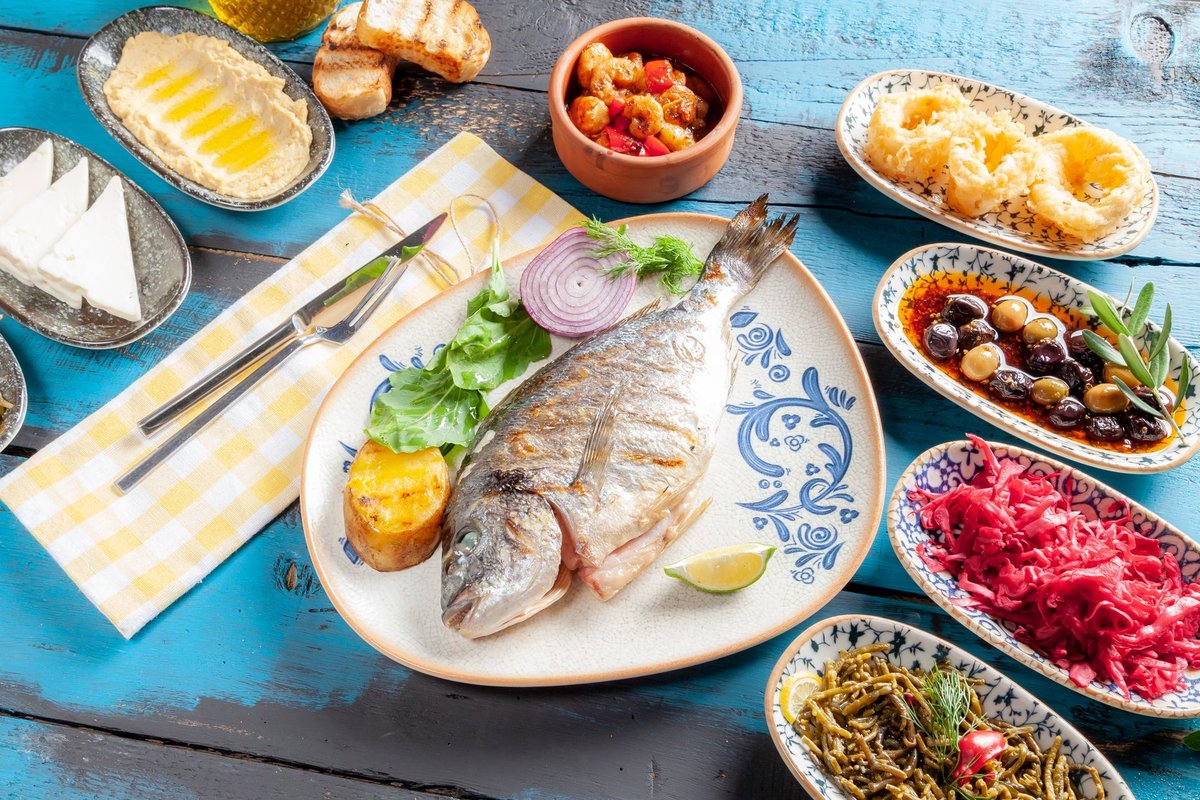
The Mediterranean diet isn't a strict list of forbidden foods but a relaxed way of eating built on vegetables, fish, beans and olive oil. Here's a food list, a weekly meal plan, simple recipes and how to switch without stress.
The Mediterranean diet is a way of eating based on vegetables, fruit, whole grains, beans, nuts, fish and olive oil. It grew out of how people have eaten for centuries in Spain, Italy and Greece: lots of plant foods and unhurried meals at a shared table. Dietitians love it because it doesn't require counting every calorie and works well for the long haul, in any city and climate.
How does the Mediterranean diet work, in short?
It's not a rigid plan but a set of principles: more plant foods, fewer processed foods and less red meat. Research links this way of eating with lower heart risk factors.
A key feature is flexibility. No foods are banned forever, and there are no required "superfoods." You can cook with what's sold near your home and adapt the principles to your own cuisine and season.
Mediterranean diet food list: what are the basics?
The base of the plate is plant food, with animal protein as an add-on. It helps to picture it as a pyramid: at the bottom is what you eat every day, at the top what you have occasionally.
- Every day: vegetables, fruit, whole grains, beans, nuts, seeds, extra-virgin olive oil, herbs and spices.
- Fish and seafood — at least 2–3 times a week, especially oily fish: mackerel, herring, sardines, salmon.
- Olive oil — the main source of fat instead of butter and margarine.
- Dairy — in moderation: plain yogurt, cheeses such as feta.
- Red meat — rarely and in small portions; it's often replaced with poultry, fish or beans and lentils.
For more on which fats to choose, see "Healthy fats in your diet" and "Omega-3", and for beans, lentils and chickpeas, see "Plant-based protein".
What does a Mediterranean diet meal plan for a week look like?
A weekly meal plan doesn't have to be complicated — just repeat a few simple patterns and switch the vegetables with the season.
- Breakfast: yogurt with fruit and nuts or whole-grain toast with tomato and olive oil.
- Lunch: a vegetable salad, beans or fish with a grain — bulgur, brown rice.
- Dinner: roasted vegetables, fish or chicken, lentil soup.
- Weekly rhythm: two fish days, one or two fully bean-based days, and poultry, eggs and cheese on the rest.
What simple recipes are good for beginners?
Dishes with 4–5 ingredients that cook in half an hour work best. Here are a few ideas that are easy to repeat:
- Chickpea salad with tomatoes, cucumbers, red onion and parsley, dressed with olive oil and lemon juice.
- Sheet-pan fish baked with zucchini, peppers and cherry tomatoes.
- Lentil soup with carrots, onion and a pinch of cumin.
- Whole-grain pasta with vegetables, garlic and a little cheese.
- Snacks: a handful of nuts, a piece of fruit or yogurt with seeds.
How do you switch to the Mediterranean diet gradually?
Change one habit a week — that way the new way of eating won't feel like a restriction.
- Swap white bread and pasta for whole-grain versions, and try bulgur or farro — as Mayo Clinic experts advise.
- Instead of butter on bread, use a little flavorful olive oil.
- Aim for 7–10 servings of vegetables and fruit a day: start by adding one extra serving to each meal.
- At least a couple of times a week, eat slowly at the table with loved ones — that's part of the tradition too, as described in "Habits of long-lived people".
Is the Mediterranean lifestyle only about food?
No, food is just part of the picture. In Mediterranean countries, people walk a lot, eat together and don't rush at the table. Add a daily walk and calm, screen-free dinners to your new plate, and the habit will stick more easily. Read about simple steps for your heart in "Heart health".
A Mediterranean plate is a good foundation for steady energy. If you'd like to add a morning and evening ritual, take a look at the Cellergize drinks: according to the company, the morning one contains vitamins and minerals, and the evening one L-theanine, taurine and magnesium. And if you're thinking about recovery and an active life after 40, you may be interested in the X39 patch — according to the company, it supports natural production of the GHK-Cu peptide.