Memory and concentration as you age: what really helps
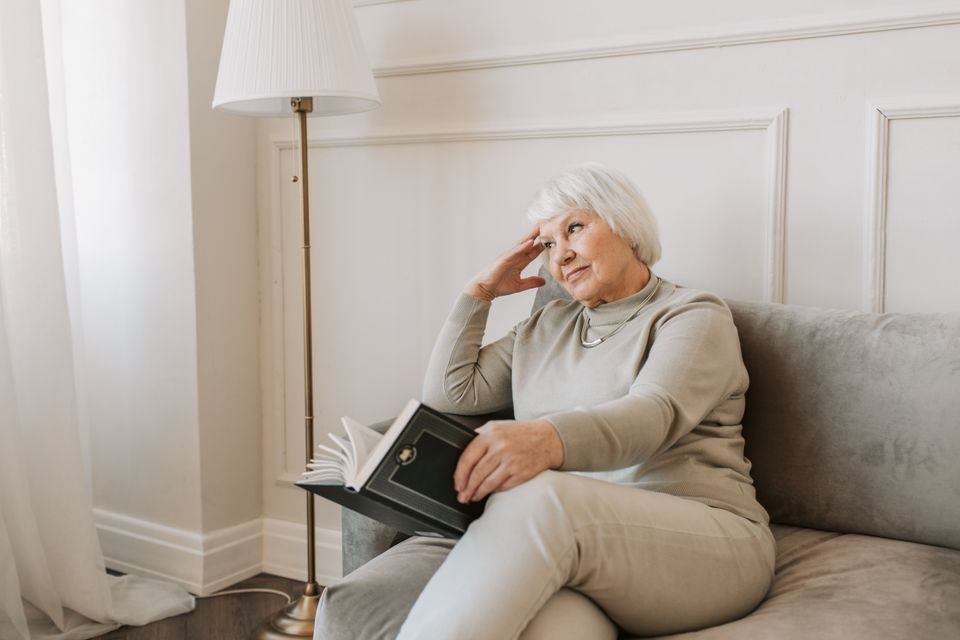
Memory and concentration change a little as you age, and some of these changes are perfectly normal. Here is why it happens, what really supports the brain and when to see a doctor.
Memory and concentration really do change a little with age: processing speed and the ability to switch quickly between tasks decline. This is a normal part of aging, not necessarily a sign of a problem. The concern is not slowing down but a noticeable increase in forgetfulness that interferes with everyday life.
How does memory change with age?
It is speed rather than capacity that changes: recalling what you need may take longer, and multitasking gets harder. At the same time, vocabulary, knowledge and life experience often stay the same or even grow.
- Names and "tip-of-the-tongue" words take longer to come back.
- It is harder to keep several things in mind at once.
- New things are learned more slowly — but they are learned.
- Distractions get in the way more than before.
According to the National Institute on Aging, such changes are typical of healthy aging and do not in themselves mean disease.
Why do memory and concentration get worse with age?
There are several reasons, and many are linked not only to age but to lifestyle. Some of these factors can be changed.
- Natural age-related changes in how the brain works.
- Lack of sleep — one of the most underrated factors that undermine concentration.
- Too little movement and too few new experiences.
- Loneliness and little face-to-face contact.
- Constant stress and information overload.
How to improve memory and concentration naturally
What helps is not isolated "brain exercises" but your lifestyle as a whole: movement, sleep, socializing and new challenges. These habits work together.
- Regular movement — even an ordinary walk is good for the brain.
- Good sleep — it is during sleep that the brain "files away" the information from the day.
- Face-to-face contact with people, not just messaging — more in “Social connections and health”.
- New challenges for the mind — a language, a musical instrument, board games, not just your familiar routine.
- A varied diet — which foods are linked to clearer thinking is covered in “Nutrition for the brain”.
Ideas for keeping your brain active every day are also collected by the NHS.
Memory and concentration exercises: how to stay focused through the day
Protect your attention from unnecessary distractions and give your brain breaks. With age, concentration suffers more from multitasking than from age itself.
- Do one thing at a time and put your phone out of sight.
- Write down plans and lists — it takes the load off your memory rather than making it "lazy".
- Schedule the hardest tasks for when you feel most alert.
- Take short movement breaks every hour to hour and a half.
What should you do about noticeable forgetfulness?
See a doctor. If forgetfulness is increasing, familiar tasks become difficult or people close to you notice it, the right step is a consultation — not trying to sort out the cause yourself with supplements.
Which memory myths should you not take at face value?
The most common is that one supplement or "brain trainer" can replace a healthy lifestyle. The second is that memory decline with age is inevitable and nothing can be done about it.
- Myth: crosswords alone "save" your memory. In reality, variety of tasks, movement and socializing matter more.
- Myth: forgetting a name is always a warning sign. Mild forgetfulness is part of normal.
- Myth: it is too late to learn something new. The brain can master new things at any age, just at its own pace.
The best strategy is calm curiosity about new things, movement and socializing every day — not a search for quick fixes.
How to improve memory and concentration for adults: supporting yourself overall
For extra support of their wellbeing, some people use the Y-Age Aeon patch — according to the company, it helps you relax after a stressful day — or X39 for overall vitality. For more on supporting your body as you age, read “Bone health after 50”.