Men's Health After 50: Which Screenings and Habits Matter
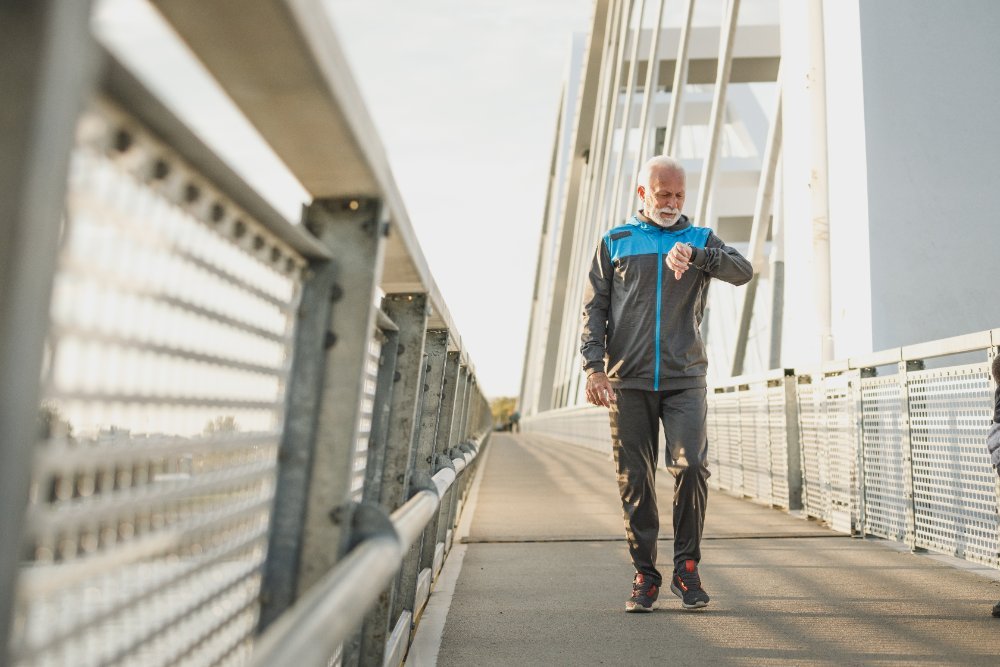
Men's health after 50 needs a little more attention: things that used to go unnoticed start to affect how you feel. Here's which screenings not to put off and which habits help you stay active longer.
Men's health after 50 rests on two pillars: regular screenings and a few simple habits — strength training, sleep, nutrition and stress management. At this age testosterone levels gradually decline, recovery slows down and the risk of cardiovascular disease rises. It's not a disaster, but this is exactly when the quality of your next 20–30 years is being shaped.
What changes in men's health after 50?
The main changes happen slowly, which makes them easy to miss. Several things shift at once:
- muscle mass and strength decline — a process called sarcopenia;
- metabolism slows down, and weight comes on more easily;
- hormone levels gradually change — more in our article on male hormone balance;
- the load on the heart and blood vessels grows, especially with extra weight and a desk job.
Which screenings does a man need after 50?
The basics are blood pressure, cholesterol, blood sugar and targeted screenings as your doctor recommends. It's best to agree on exact timing with your primary care doctor.
- Blood pressure and a lipid panel — once a year, especially with extra weight or a desk job.
- Prostate screening (PSA and a urologist exam) — as your doctor recommends, usually from 50, or earlier with a family history.
- Colonoscopy — based on age and your doctor's advice.
- Bone density — if you have risk factors for osteoporosis: men get it too.
- Blood sugar and a basic blood panel — to keep an eye on type 2 diabetes risk.
Handy age-based checklists are published by Mayo Clinic and the CDC.
It helps to keep a personal screening calendar: write down the dates of your latest tests and mark when the next ones are due. That way nothing slips, and a doctor's visit becomes planned rather than forced. If your family has a history of early heart attacks, strokes or cancer, be sure to tell your doctor — it changes screening timelines.
How can a man at 50 get active again?
Start with strength training two or three times a week and daily walking. It's the most reliable way to slow the natural loss of muscle mass, which speeds up after 50.
A heavy gym isn't required: squats, push-ups against a wall or table, and exercises with light dumbbells all work. We covered how to start and build up the load in our article on strength training after 40.
What diet supports men's health after 50?
What helps isn't a strict diet but a gradual rethink of your plate. The same food you ate at 30 turns into fat more easily at 55.
- More protein at every meal — your muscles need it.
- More vegetables, legumes and whole grains — that's your fiber.
- Fewer simple sugars, sweet drinks and processed meats.
- Moderate portions, without the habitual second helping.
Alcohol deserves a separate mention: with age the body handles it worse, and sleep after drinking becomes shallow. If you want to keep a glass of wine, make it a rare exception rather than a nightly habit.
Why do sleep and stress matter so much?
At least 7 hours of sleep and managing stress directly affect hormone balance and recovery. Chronic sleep deprivation lowers testosterone almost as noticeably as age does.
Short walks, breathing exercises and a consistent bedtime are simple steps that work. More in our articles on sleep and recovery and on heart health.
What can you add to the basic habits?
Many men at this age support their activity with a combined approach. Some add the X39+X49 patch set to their training and sleep: according to the company, X39 helps you feel more energy during the day, while X49 helps support endurance and recovery after exercise. Skin after 50 is worth remembering too: the Alavida Trio set combines day care, night care and an eye cream. But the foundation is regular screenings and habits, not any single product.