Women's Health After 50: Screenings and Habits for Quality of Life
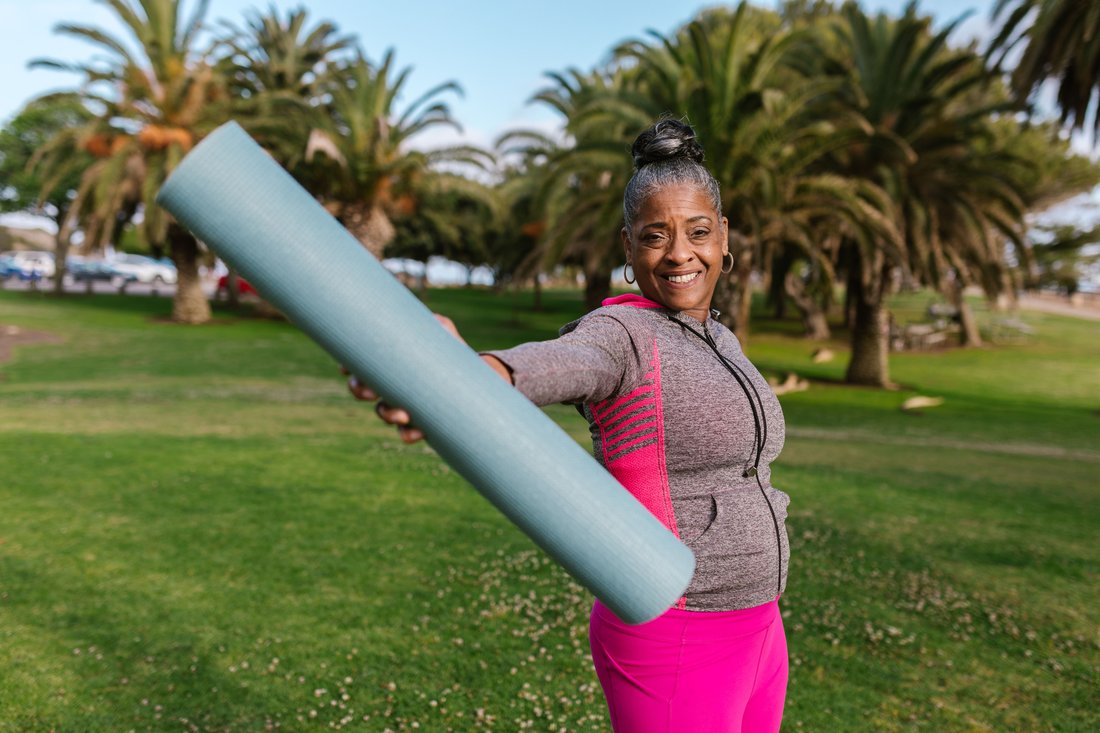
By 50, most women have already gone through menopause or its active phase — and along with the hormonal changes, the risks to bones, heart, and skin shift too. Here's what to pay attention to first.
Menopause isn't a disease but a natural stage, but the drop in estrogen around it triggers real physiological changes: bone loss accelerates, fat distribution shifts, and cardiovascular risk rises. Understanding these processes helps you support your body in time rather than fight it.
Screenings Worth Keeping in Focus
- Bone density scan — assessing osteoporosis risk, especially once menopause has passed.
- Mammogram — on the schedule recommended by a doctor.
- Lipid profile and blood pressure — cardiovascular risk rises more noticeably after menopause than before it.
- Gynecological exam — regularly, even without obvious complaints.
- Vitamin D and calcium levels — important for bones, but it's better to take supplements based on test results rather than guesswork.
Bones and Muscles
Strength training and weight-bearing exercise (walking, light jogging, dancing) are among the few proven ways to slow bone loss. Enough protein and calcium in the diet add to the effect.
Skin and Overall Tone
Lower estrogen also affects the skin — it becomes drier and loses elasticity faster than in younger years. A basic routine with hydration and sun protection remains the foundation, covered in more detail in the article on skincare.
During this period, many women combine skincare — for example, the Alavida Trio set with day, night care, and patches — with support for overall tone through the X39+X49 set. But the foundation is movement, sleep, and regular screenings, and supplements only add to that base.