Skincare After 30: What Actually Matters and What You Can Skip
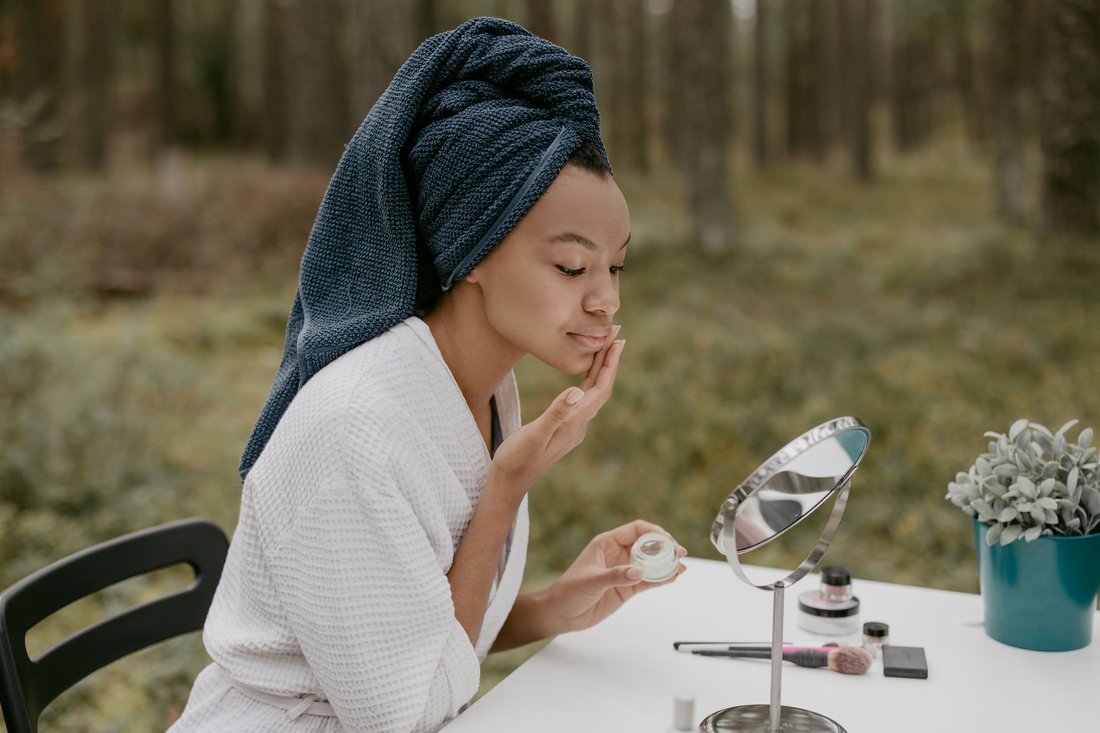
After 30, skin cell renewal slows down, and old skincare habits may stop working as well. We break down which steps give real results and which are just marketing from 12-step routines.
After 30, the rate of skin cell renewal starts to gradually slow down, and collagen production decreases by roughly 1% a year. That doesn't mean you need to rush out and buy ten new jars — but three basic steps are worth checking, and adding if they're missing.
The Three Steps That Matter Most
- Gentle cleansing — without harsh surfactants that dry out the skin and encourage more wrinkles over time.
- Hydration morning and evening — with hyaluronic acid, ceramides, or other moisturizing ingredients.
- Sun protection (SPF) every day — the proven most effective way to slow photoaging of the skin.
What You Can Skip Without Harm
Elaborate 10–12-step routines from social media more often overload the skin than help it: too many active ingredients at once (acids, retinol, vitamin C together) can cause irritation instead of results. It's better to start small and add new products one at a time, watching how your skin reacts.
Morning and Evening Have Different Jobs
During the day, skin needs protection from outside factors — sun, pollution — so daytime skincare is usually lighter in texture and always includes SPF. At night, while skin isn't exposed to outside stressors, richer formulas aimed at repair during sleep come into play.
For ready-made options, a good pairing is daytime care with Alavida Day with SPF protection and restorative Alavida Night for the evening — a simple two-step base that's easy to keep up every day without turning skincare into a 40-minute ritual.