Mouth taping: the social media sleep trend — benefits, risks and an honest verdict
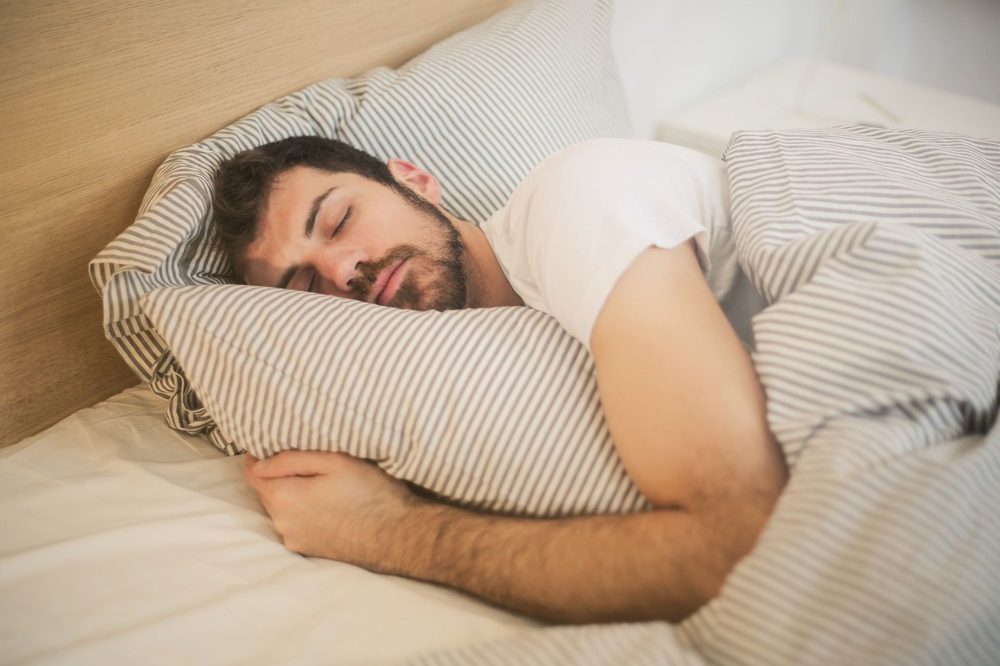
Mouth taping is recommended by influencers, athletes and celebrities: less snoring, deeper sleep, a “sculpted jawline.” We looked at what the research actually showed, who this trend could harm, and how to learn to breathe through your nose during sleep more safely.
Questions and answers
Why do people tape their mouths at night?
The idea is to force yourself to breathe through your nose during sleep: fans of the trend promise less snoring, no dry mouth and deeper sleep. Nose breathing really is good for you, but the tape itself hasn’t yet proven its benefit for most people.
Is mouth taping dangerous?
For some people, yes. In a 2025 systematic review in PLOS One, four of ten studies discussed the risk of suffocation with nasal congestion. Cleveland Clinic advises against mouth taping if you have nasal congestion, chronic allergies, sinusitis, enlarged tonsils, a deviated septum or heart problems.
Does mouth taping help with snoring?
There’s no convincing evidence: a small improvement was found in only two small studies of people with mild nighttime breathing pauses and a clear nose. Loud snoring can be a sign of a sleep-related breathing disorder, and tape can mask the problem, so it’s better to see a doctor about snoring.
How can I learn to breathe through my nose while sleeping?
Start with the daytime: notice how you breathe at work and on walks, and come back to nose breathing. At night, sleeping on your side, humidified bedroom air and nasal strips help. If your nose is constantly blocked, sort that out with your doctor first.