Plant-Based Protein: How Much You Need and Where to Get It
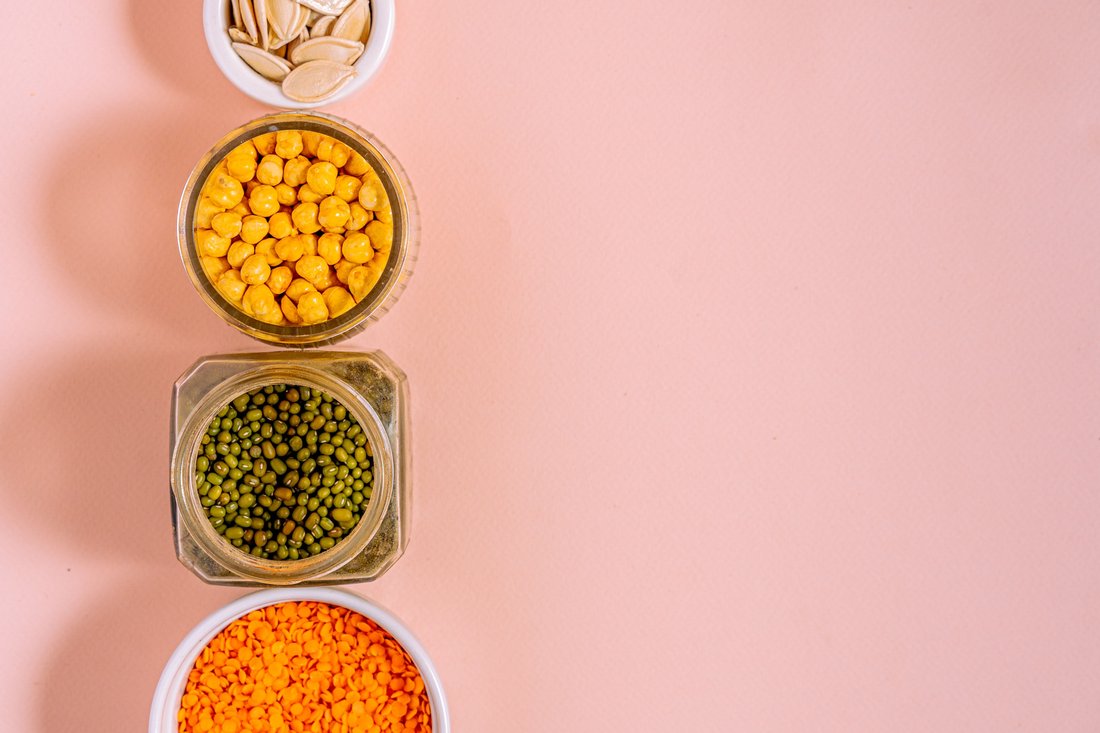
Plant-based protein can fully cover your protein needs without meat — you just need to know which foods to get it from and how to combine them. Here are the daily targets, the best sources, how it compares with animal protein and the most common mistakes.
Plant-based protein comes from legumes, soy, grains, nuts and seeds, and with a varied diet it can fully cover your protein needs without meat. The secret isn't hunting for a “meat substitute” but combining different sources throughout the day.
The myth that you can't get enough protein without meat is surprisingly persistent. Yet millions of people around the world eat well on a plant-based or mostly plant-based diet.
How much protein do you need a day?
A general guideline for adults is roughly 0.8–1.2 g of protein per kilogram of body weight per day (about 0.36–0.55 g per pound). With regular strength training, the need is higher — up to 1.6–2 g per kilogram (about 0.7–0.9 g per pound).
You don't have to count grams on every plate. It's enough to include a protein food at each main meal. General guidelines for any diet are covered in “Protein in your diet”.
Plant-based protein foods list: which are the richest?
Legumes and soy foods contain the most protein, with nuts, seeds and some grains also contributing a fair amount.
- Legumes — lentils, chickpeas, beans, peas.
- Soy foods — tofu, tempeh, edamame.
- Grains and pseudo-grains — buckwheat, quinoa, oats.
- Nuts and seeds — almonds, peanuts, pumpkin and sunflower seeds.
- Some vegetables — broccoli, spinach: they contain less protein, but they add to your overall diet.
Plant-based protein vs animal protein (and whey): what's the difference?
The main difference is the amino acid profile: animal protein usually contains all the essential amino acids in a single food, whereas plant protein needs a combination of sources to get there.
Plant foods also bring fiber and less saturated fat along with their protein, while animal foods supply vitamin B12 and easily absorbed iron. So you don't have to choose one or the other: many people simply shift the balance toward plants without giving up fish or eggs entirely.
How do you combine plant-based protein sources?
The idea that plant protein is “incomplete” comes from the fact that individual foods may be low in one or two essential amino acids. The fix is simple: combine different food groups over the course of the day.
- rice with lentils or buckwheat with beans;
- hummus with whole-grain flatbread;
- bread with nut butter;
- oatmeal with seeds and nuts.
You don't need to get all the amino acids in a single meal — the balance over the day is what counts. A bonus of this kind of diet is fiber; read about its benefits in “Fiber and digestion”.
Is plant-based protein good for building muscle?
Yes, as long as your total protein intake is sufficient and you train regularly. People on a plant-based diet often benefit from slightly larger portions of protein foods and not skipping them at any main meal.
Easy post-workout options include tofu with rice, lentil soup, hummus with vegetables, and soy yogurt with nuts. More on eating after exercise in “What to eat after a workout”.
What mistakes do people make when switching to plant-based protein?
The most common one is replacing meat with vegetables alone, without legumes, soy or protein-rich grains. The result is a shortfall not only in protein but also in iron, vitamin B12 and zinc.
- Too few legumes and soy foods on the menu.
- Relying on bread, pasta and sweets instead of protein foods.
- Switching too abruptly without planning your diet.
The bottom line: how do you get enough protein without meat?
A varied diet with legumes, grains, nuts and soy foods covers protein needs for most people. An active lifestyle is entirely possible without meat. Many people who train on a plant-based diet also use the X39 patch: according to the company, it helps support energy and recovery after exercise, whatever your diet is made of.