Post-marathon blues: why you feel worse a week later than on race day
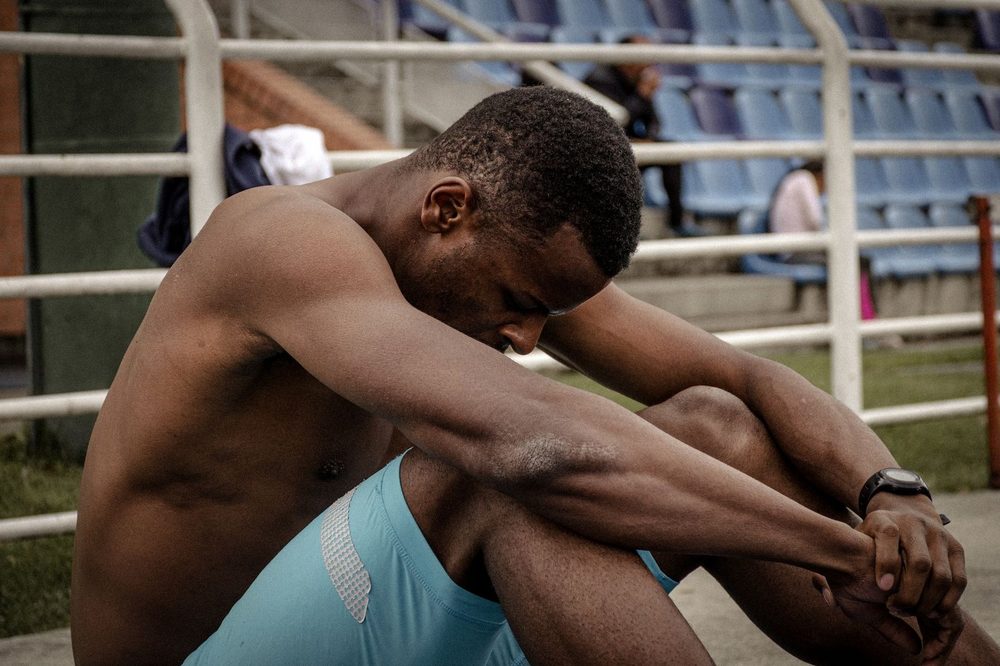
Post-marathon blues don't hit at the finish line — they come later: your legs no longer hurt, yet running feels heavy, your mood is at zero and you can't see why you'd get up at six. Here's how long marathon recovery really takes, why "it's all over now" is a deceptive feeling, and what to do in the first 14 days.
Questions and answers
How long does it take to recover from a marathon?
Blood markers of muscle damage usually return to normal within 4–6 days, and inflammatory markers within about 8. But according to biopsy data, the structure of muscle fibers takes 3–4 weeks to recover, and some signs of regeneration are still visible after 8–12 weeks.
What should you do after a marathon?
The first few days: sleep, food, water and easy walking. Then several weeks of easy running with no intervals or tempo work. Meanwhile, it helps to set a new goal — not necessarily a running one — so you don't fall into a void after the race.
What are the post-marathon blues?
That's what runners call the slump after a race: fatigue, heavy legs and a low mood that arrive a few days later. Physically, it's unfinished muscle recovery; psychologically, it's losing the goal you've been working toward for months.
Why do my knees hurt after a marathon?
After 42 km (26.2 miles), the load on the muscles, tendons and joints of your legs is very high, and mild discomfort in the first days is common. If the pain is sharp, getting worse or doesn't go away within a week, it's best to see a sports doctor.