Recovering After a Marathon: The First Days and Weeks
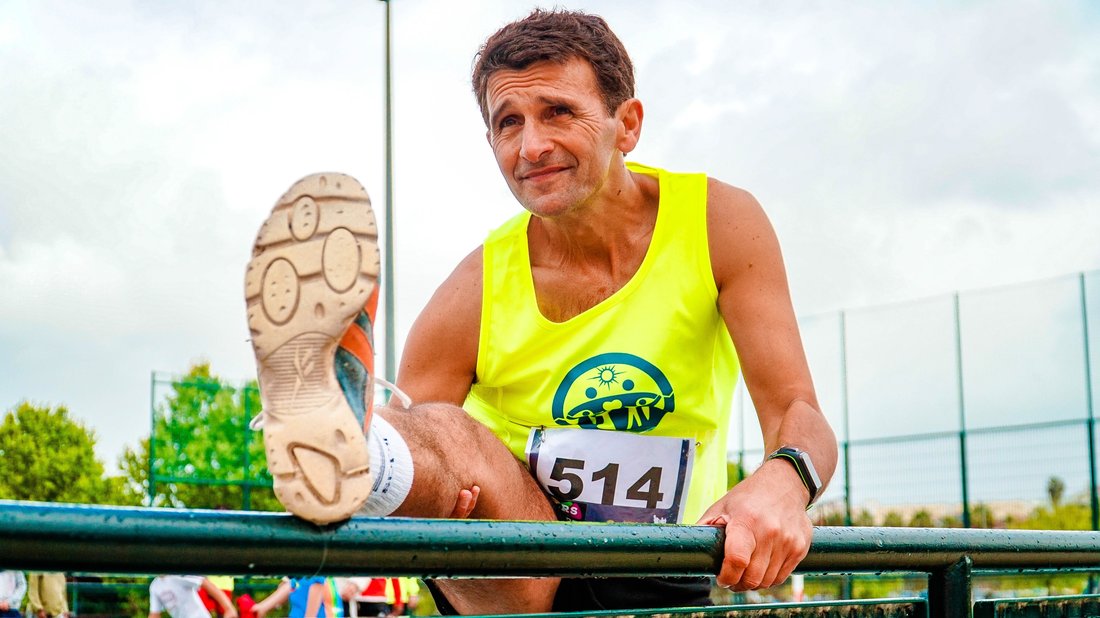
A marathon is a serious strain not just on the muscles but on the whole nervous and immune system. We break down how to recover properly in the first days after finishing, and when to get back to training.
A marathon distance is an enormous strain on the muscles, joints, cardiovascular system, and immune system. The euphoria of finishing often masks just how depleted the body is, which is why many runners make the same mistake — returning to their usual pace of life and training too quickly.
The First 24–48 Hours After Finishing
Right after the race, it's important not to sit or lie down abruptly — a light 10–15 minute walk after finishing helps avoid a sudden drop in blood pressure and blood pooling in the legs. In the first 24 hours, focus on:
- replenishing fluids and electrolytes in small amounts;
- a full meal with protein and carbs within a couple of hours of finishing;
- cold water or ice on particularly tired or swollen spots, based on how you feel;
- going to bed early — the body needs more rest than usual right now.
The First Week: Rest Matters More Than Heroics
It's best to skip running entirely for the first 3–5 days after a marathon — just walking, light stretching, and, if you like, easy-paced swimming. The micro-damage to muscles from a marathon doesn't heal in a single day, and trying to "run through the pain" raises the risk of injury.
When to Return to Training
A general guideline is a gradual return to running after 5–10 days with short, easy runs, with a full return to your normal training volume after 3–4 weeks. Experienced coaches often suggest the rule of "one recovery day per mile of the race" as a rough guide, not a strict rule.
What Helps Recovery After a Marathon
Stretching, light self-massage or a foam roller, enough sleep, and good nutrition form the base of recovery. Many runners use IceWave patches in the first days after a marathon for muscles that ache especially badly after the effort, and in the evening, the Y-Age Aeon patch to relax before sleep when overall fatigue makes it hard to fall asleep. Some add the X49 patch to their recovery routine on days when tissue repair after the long distance is most active.
A marathon ends at the finish line, but the body's recovery takes weeks, not days. Give yourself time for proper rest before your next goal — progress will be far more stable in the long run. Read more about the principles of rest between training loads in "Rest Days From Training".