Postpartum recovery: how to gently rebuild your strength
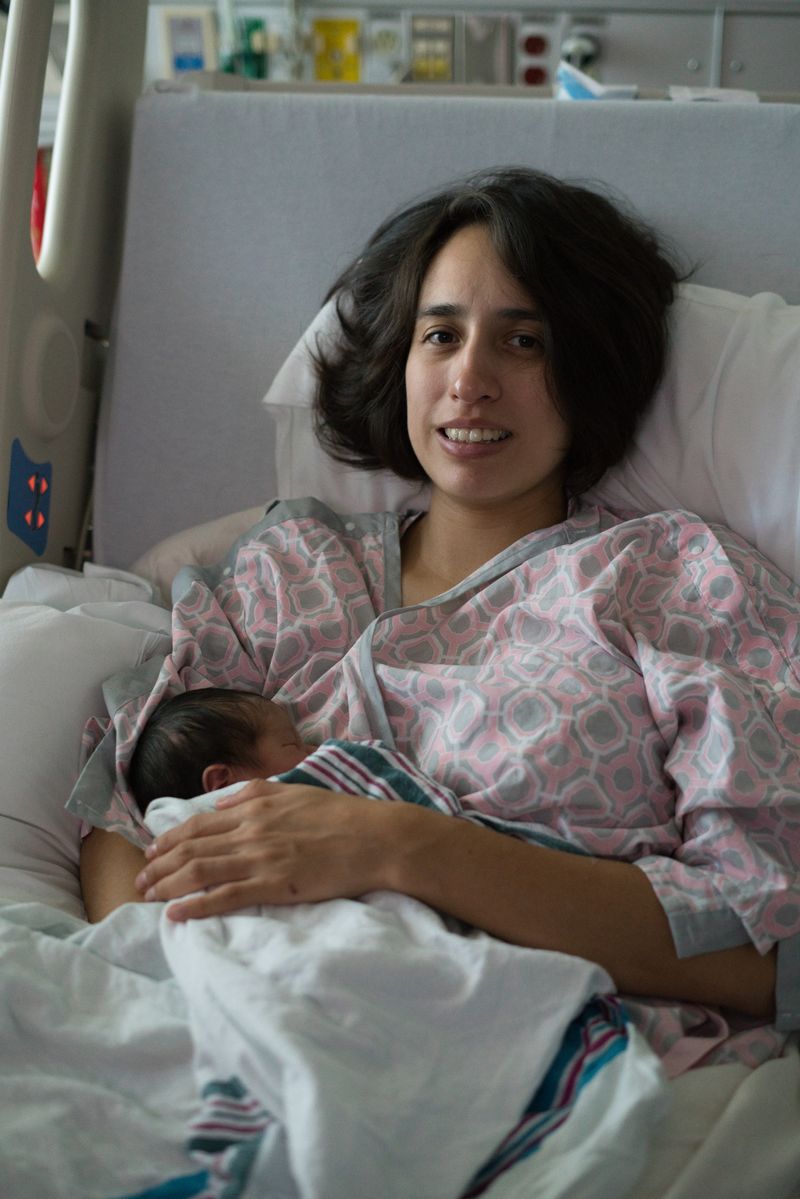
Postpartum recovery happens gradually: the first months are a time of little sleep and a heavy load on the body. Here is where to start and what helps you regain strength without rushing.
Postpartum recovery is a gradual return of strength that takes months, not weeks. Your body is recovering from pregnancy and birth, while your sleep and daily life are completely reorganized. So expecting your old energy levels in the first months is unrealistic — and that's normal.
What happens to your body after giving birth?
The body returns to its usual state gradually: hormones, the pelvic floor and abdominal muscles, and overall energy recover over several months.
Basic physical recovery usually takes the first 6–8 weeks, but for many women a full return of strength takes longer. The postpartum recovery timeline depends on the type of birth, how you felt during pregnancy, sleep and support from loved ones. More about the first weeks from ACOG.
Postpartum recovery: where do you start?
Start with the basics: in the first weeks, sleep, food, water and help from loved ones matter more than any exercise.
- Sleep whenever you can, not just at night: a newborn's sleep is fragmented, and short daytime rests are very important. How to nap well is covered in "A daytime nap done right".
- Eat regularly and well: keep simple snacks on hand that you can eat with one hand.
- Drink enough water, especially if you're breastfeeding.
- Ask for and accept help — it's not weakness but a sensible use of resources.
- Don't skip your scheduled postpartum checkup.
Which postpartum recovery exercises are suitable?
Start with the gentlest activity, and only once your doctor has confirmed it's safe.
Usually the first steps are gentle walks and breathing exercises, then pelvic floor exercises and light core work. Running, jumping and strength training come back gradually and on an individual timeline: it differs after a C-section and after a vaginal birth. Stroller walks are a good first step; read about the benefits of walking in "Benefits of walking". Listen to your body: mild tiredness after a walk is normal, but pain or increased bleeding after activity is a reason to slow down and consult your doctor.
Can you speed up postpartum recovery?
The honest answer: you can't speed it up, but you can avoid getting in its way and create good conditions for it.
Rushing into exercise and strict diets to get "back in shape" quickly tend to drain your strength rather than help. These postpartum recovery tips work better: Comparing yourself with other moms or with photos on social media doesn't help either — every woman has her own pace.
- nourishing food with enough protein — more in "Protein in your diet";
- every chance to sleep and rest;
- a gradual rather than sudden increase in activity;
- support from your partner and loved ones with chores and night wake-ups.
How can you support your emotional wellbeing after birth?
Emotional recovery is as important as physical recovery, and it takes time too.
In the first weeks, many women's mood shifts quickly: joy gives way to tears, worry about the baby, feeling lost. Lack of sleep and hormonal changes make these swings stronger. Simple things help:
- talk about your feelings with your partner, loved ones or other moms;
- get outside every day, even briefly;
- keep a little time just for yourself — an unhurried shower, a cup of tea in peace;
- lower your standards for the house: a spotless home isn't the priority right now.
When is fatigue more than lack of sleep?
If constant low mood, anxiety or loss of interest in things add to the fatigue, it's a reason to see a doctor.
These can be signs of postpartum depression — a condition that needs professional help, not just rest. It's common, and it's not the mom's fault.
How to find energy through chronic sleep deprivation is covered in "Energy for moms", and the role of sleep in "Sleep is your most powerful recovery tool".