Radio taiso: why the Japanese do 3 minutes of morning exercise
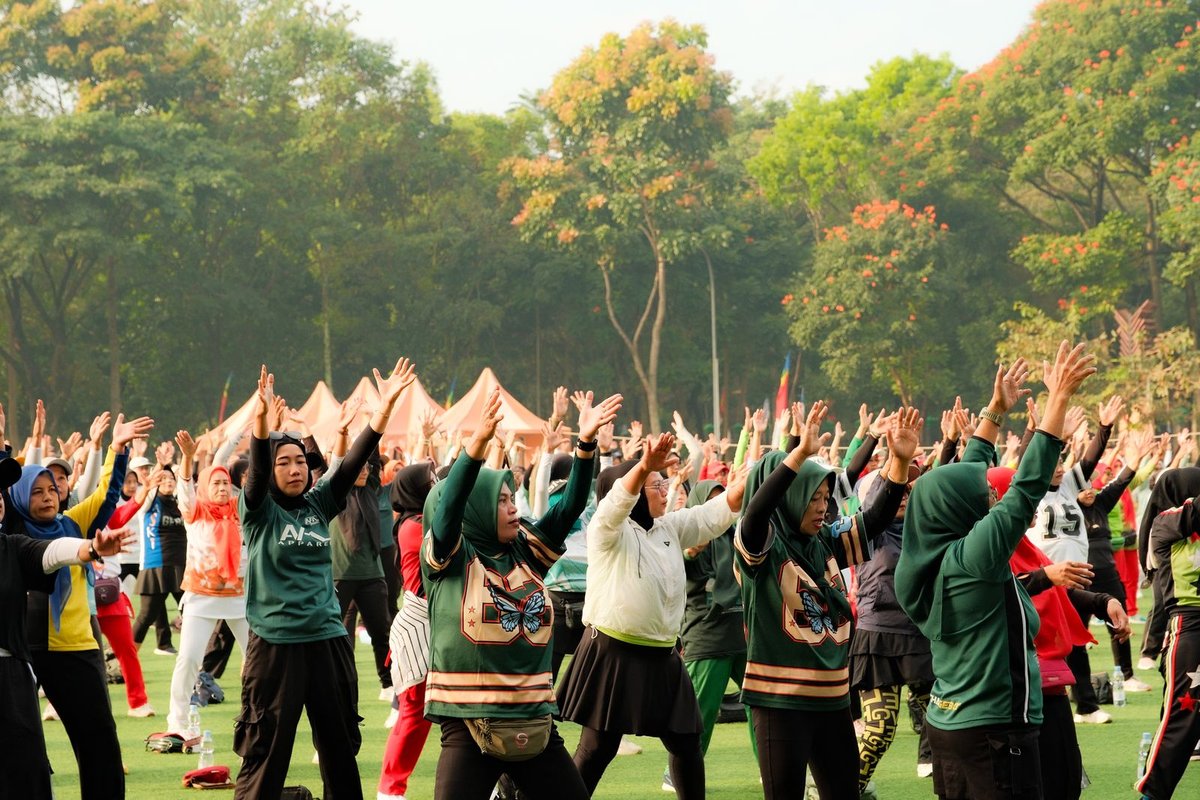
Radio taiso is a short morning exercise routine set to music that almost everyone in Japan knows, from schoolkids to retirees. Here is what moves it includes, how to do it at home and why even 3 minutes in the morning make sense.
Radio taiso is a three-minute routine of simple exercises set to music that has aired on Japanese radio every morning since 1928 (history of radio calisthenics). People do it at home, at school, in offices and in courtyards, and in summer small groups of neighbors gather in many areas to warm up together (South China Morning Post). You can repeat this routine anywhere — no equipment, no change of clothes.
What is radio taiso?
It's a set of simple exercises done to piano music and a presenter's cues. The main version lasts about three minutes, so it fits into even the busiest morning.
The secret of its popularity is habit. The same tune, the same moves, the same time. Many Japanese people remember the routine from childhood because they did it at school and summer camps, and they come back to it as adults.
In summer, morning groups gather in parks and schoolyards in many parts of Japan. For many people it's also a chance to see the neighbors and start the day with conversation rather than a phone. The format is easy to copy with friends or family: agree on a time and do the routine together, at least on weekends.
Radio taiso exercises: what's in the routine?
The moves warm up the whole body in sequence, from the feet to the neck. A rough outline looks like this:
- Reaching up and gentle arm swings to "wake up" the shoulders.
- Side, forward and backward bends, plus torso twists.
- Shallow squats and rises onto the toes.
- Arm circles and light hops in place (you can swap them for steps).
- A deep breath with arms raised at the end of the routine.
Some people call it "longevity exercise," but that's more of a popular nickname: radio taiso doesn't promise a long life, but it's an example of how daily movement becomes part of a culture. And regular activity is one of the shared traits of the people described in "Habits of long-lived people".
How to do radio taiso at home
Stand where you have room to swing your arms, put on the music or count to yourself, and move at a calm pace. The key is to do the routine every day at the same time.
- Tie the exercise to a habit you already have: after washing up or before breakfast.
- Start with one round, and add a second after a week.
- Do it by an open window or on a balcony — fresh air and morning light add energy.
- Don't chase range of motion: the movement should feel comfortable.
Radio taiso for seniors: is it a good fit?
Yes, and that's its main strength: the moves are simple, the pace is calm and everyone chooses their own range of motion. You can do the bends holding the back of a chair and replace the hops with marching in place.
For older adults, the WHO specifically recommends balance and strength exercises according to WHO guidelines. It's easy to add simple moves from "Balance and fall prevention" to your morning warm-up.
Radio taiso benefits: are 3 minutes a day enough?
As a start to the day, yes; as your total activity for the day, no. The WHO recommends 150–300 minutes of moderate activity a week for adults (WHO), and the morning routine just helps you get going.
It's good if radio taiso is followed by a bit more movement during the day: a walk, the stairs, short stretch breaks. For ideas, see "Micro-workouts during the day" and "Morning stretches".
Morning exercise is a good anchor for the other habits in "Morning habits". Many people who pay attention to energy and recovery wear the X39 patch: according to LifeWave, it supports the body's natural production of the GHK-Cu peptide. And if motivation to move is lacking, some add Y-Age Carnosine, which, according to the company, supports interest in movement.