Self massage for muscle recovery: simple techniques at home
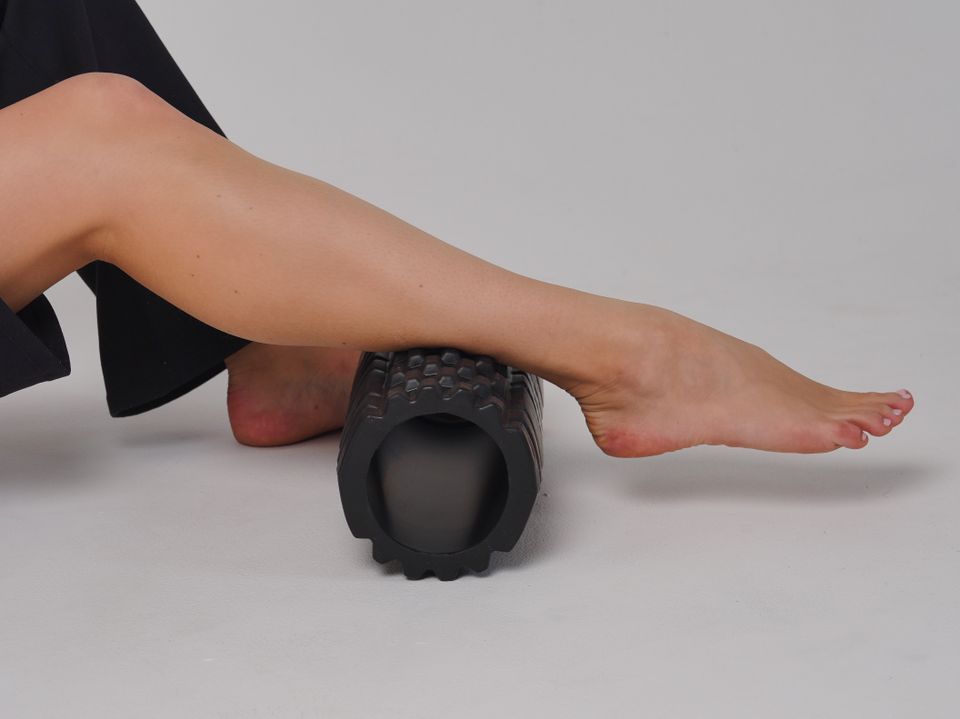
Self massage for muscle recovery takes a foam roller, a tennis ball or just your hands, plus 5–10 minutes after exercise. Here is how to do it properly, how to work on your back and what to pair it with.
Self massage for muscle recovery is a simple way to release tension after a workout, a long walk or a day on your feet. All you need is a foam roller, a ball or your own hands and 5–10 minutes. It does not replace a session with a professional, but it helps muscles relax and often makes the next day feel noticeably easier.
Why use self massage for muscle soreness?
To ease that tight, "knotted" feeling and bring lightness back to your muscles after exercise. After strength training, muscles feel dense and sometimes have tender "knots", and self massage lets you work on them gently.
Specialists at Cleveland Clinic describe foam rolling as an accessible way to release muscle tension and move more freely. It is also important to understand its limits:
- self massage supports recovery; it does not replace sleep, rest and stretching;
- it does not "flush out" lactic acid or speed up progress on its own;
- its main benefit is a sense of lightness and more comfortable movement.
What do you need for self massage at home?
One or two simple tools are enough — expensive massagers are not required.
- A foam roller — for the large muscles of the legs and back. More on technique in “Foam rolling: how to use it properly for recovery”.
- A small firm ball (tennis or massage ball) — for the feet, glutes and the area between the shoulder blades.
- Just your hands — for calves, forearms and neck.
How to massage sore muscles yourself
Slowly, along the muscle and with tolerable pressure — discomfort is fine, sharp pain is not. On a particularly tight spot you can pause for 20–30 seconds and breathe calmly; this is also the simplest way to self massage muscle knots.
- Start with the large muscles — thighs, calves, back — and only then move to smaller areas.
- Avoid pressing directly on joints, bones and the spine.
- After strength training, wait 20–30 minutes rather than starting right away.
- Drink enough water — it is part of recovery too.
How do you massage your back yourself?
Upper back — on a roller lying down; between the shoulder blades — with a ball against a wall; lower back — only gently and by hand. The spine itself is never rolled.
- Lie on the roller across your back at shoulder-blade level, cross your arms over your chest and slowly roll up and down a couple of inches.
- For the area between the shoulder blades, press a tennis ball against the wall with your back and move smoothly, shifting your weight from foot to foot.
- Do not roll the lower back — gentle rubbing by hand and a soft stretch work better here.
If your back bothers you regularly, it helps to look at your habits too — see “Preventing back pain: posture, core and daily habits”.
What other recovery methods work well with massage?
Self massage works best alongside the basics of recovery: sleep, rest days, stretching and water. Each one on its own gives less than all of them together.
- Stretching after a workout — gently, without bouncing.
- Proper rest days — muscles recover in between sessions.
- Enough sleep and water throughout the day.
- A good daily sequence: workout → light stretching → self massage in the evening.
What are the most common self massage mistakes?
The most common are pressing too hard, moving too fast and grinding away at a sore spot "until it gives". All of these tend to add tension rather than release it.
- Pressing with all your strength — the muscle only tightens up in response.
- Rolling fast back and forth — slow movements work better.
- Holding your breath — a calm exhale helps the muscle relax.
When should you not do self massage on your own?
If there is sharp or shooting pain, swelling, numbness or a fresh injury, do not work on that spot yourself. NHS explains sports injuries and when you need a specialist in detail.
Many people combine self massage with wearing the X39 patch or X49 on training days — according to the company, these patches support recovery after exercise. For how recreational athletes do it, read “X39 for athletes”. And when they want more comfort in movement, some people use a pair of IceWave patches.
Read also: Thai massage benefits: what it is, how it helps and who should be careful.