Sleep 8 hours, still tired? Why the "right amount of sleep" can mislead you
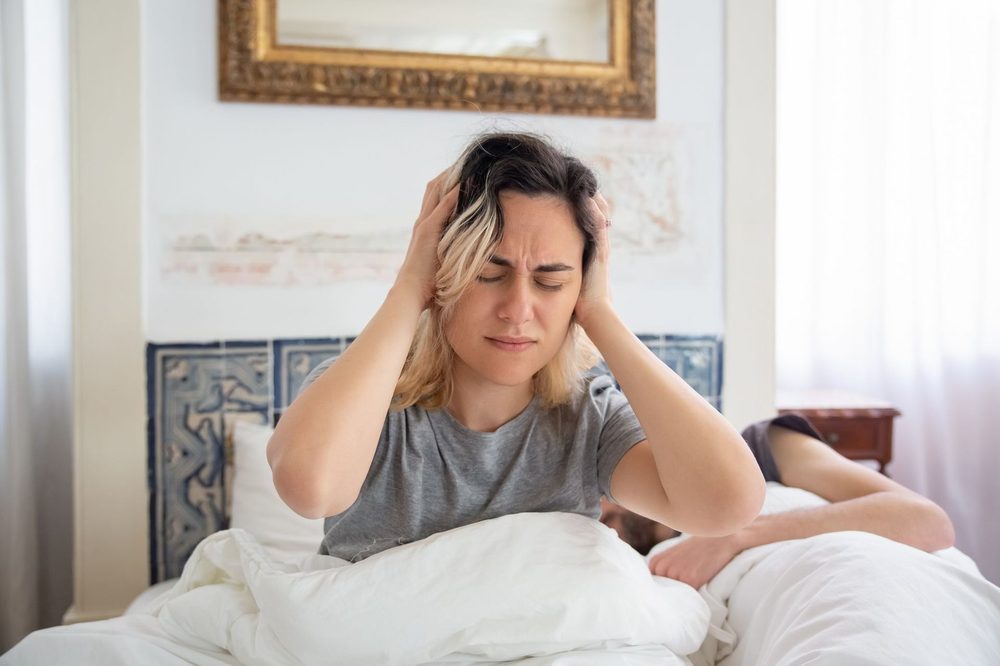
"I sleep 8 hours and I'm still tired" is one of the most common complaints about fatigue. Hours in bed don't automatically mean rest: what matters is how many of them you actually slept, and how well. Let's look at what steals sleep quality, which evening habits keep you from waking up rested and what to check in your bedroom today.
The alarm goes off, your tracker shows eight hours in bed — and you feel as if you never lay down at all. Sound familiar? "I sleep 8 hours and I'm still tired" is something we say with resentment toward our own bodies: "But I did everything right." The uncomfortable truth is that the "right amount of sleep" isn't measured in hours in bed but in how many of them your body actually rested.
Why am I tired after 8 hours of sleep?
Because eight hours in bed isn't the same as eight hours of good-quality sleep. Part of the night can go to falling asleep slowly, waking up and restless sleep that barely restores you.
The US Centers for Disease Control and Prevention explicitly lists sleepiness and fatigue even after getting enough sleep among the signs of sleep problems — alongside trouble falling asleep and waking up repeatedly during the night. In other words, your complaint isn't a whim; it's a recognized signal.
And the "norm" itself isn't the same for everyone. According to CDC recommendations, adults aged 18–60 need 7 or more hours of sleep, those 61–64 need 7–9 hours, and those over 65 need 7–8 hours. Eight hours is a convenient benchmark, not a magic number after which you're bound to feel energized.
How can you tell your sleep quality is poor?
Check yourself against the signs of good sleep — if at least two of them don't describe you, the issue is more likely quality than quantity. The Sleep Foundation describes good-quality sleep like this:
- you fall asleep within 30 minutes of going to bed;
- you wake up no more than once a night;
- if you do wake up, you fall back asleep within 20 minutes;
- in the morning you feel rested, not "pieced back together."
There's one more measure — sleep efficiency. If you sleep less than 85% of the time you spend in bed, that's a sign of poor sleep quality. Simple math: eight hours in bed at 75% efficiency is six hours of sleep. Exactly what you feel in the morning.
To find exactly where your sleep is leaking away, we've put a checklist into the PDF for this article: a 30-point bedroom and evening audit you can complete in one evening, plus a one-week sleep diary.