Sleep tracker accuracy: how to read your wearable’s data without obsessing over numbers
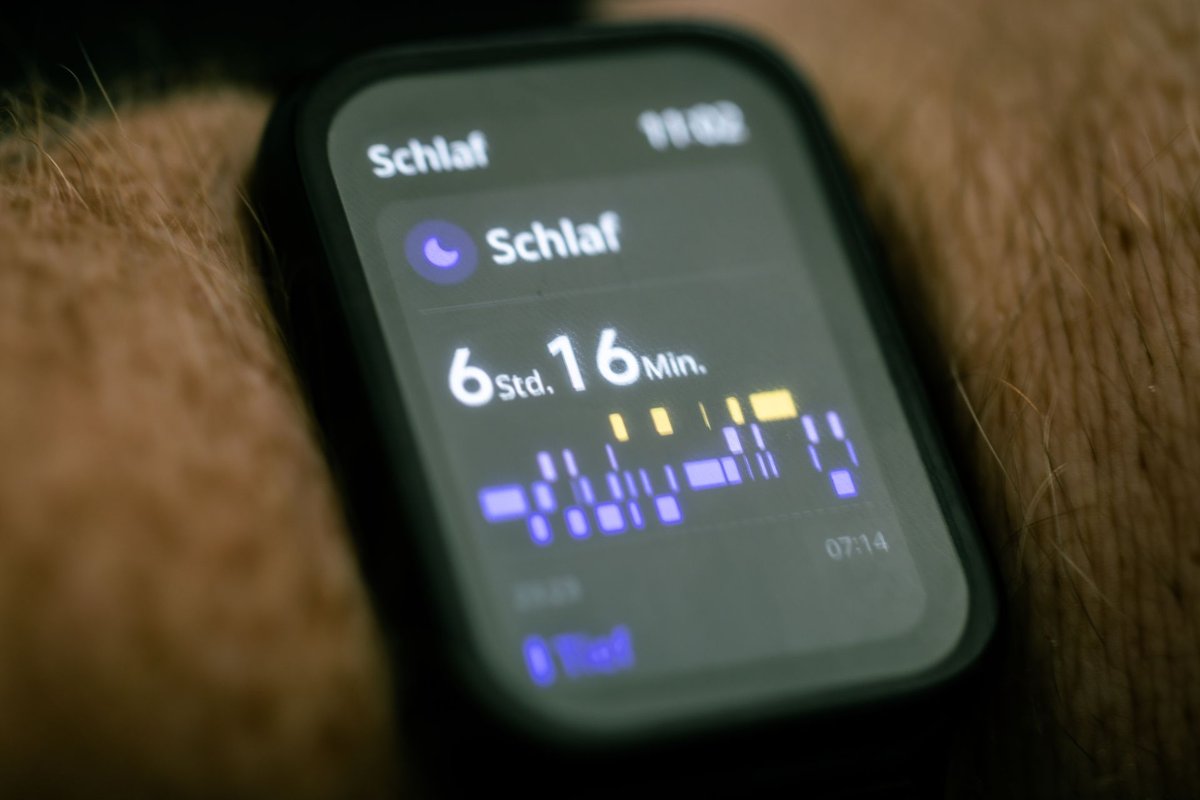
Sleep tracker accuracy matters because your watch or band shows a “sleep score,” sleep stages and awakenings. Let’s look at which of this data you can trust and which is better taken with a grain of salt.
Almost anyone with a fitness band or smartwatch now has a sleep tracker, so sleep tracker accuracy is a real question. In the morning it shows a score, stages and awakenings — and sometimes one “bad” number spoils your mood more than the night itself. Let’s figure out how to read this data usefully.
How accurate is sleep tracking?
Many modern devices estimate total sleep time quite well, but sleep stages much more roughly. In a study of seven consumer trackers published in the journal SLEEP, most devices distinguished sleep from wakefulness reasonably well but differed noticeably from lab data when estimating stages.
- According to the Sleep Foundation, in one 2021 study trackers correctly identified deep sleep only 59% of the time.
- Devices often overestimate light sleep and may count lying still while awake as sleep.
- Trackers are not medical devices and do not make diagnoses.
Sleep tracker: phone app or wearable?
If you have to choose, a device on the wrist or by the bed usually gives a more reliable picture. Smartphone apps, in the Sleep Foundation’s assessment, remain inaccurate for now.
Sleep score meaning: how do you use a tracker without obsessing over numbers?
- Look at trends over 1–2 weeks rather than a single night’s score.
- Compare the numbers with how you feel: if you’re alert during the day, a “low score” is no reason to worry.
- Don’t spend extra time in bed for the sake of “good stats” — a common trap known as orthosomnia.
The real foundation of sleep is a routine, darkness and an evening without bright screens; see our articles Blue light and sleep and Digital detox. Many people add the Silent Nights patch to their evening ritual — according to the company, it supports relaxation and sleep without melatonin. And for energy and recovery during the day, some choose the X39 patch, which, according to the company, supports the natural production of the GHK-Cu peptide.