Sophrology: a French relaxation technique you can try at home
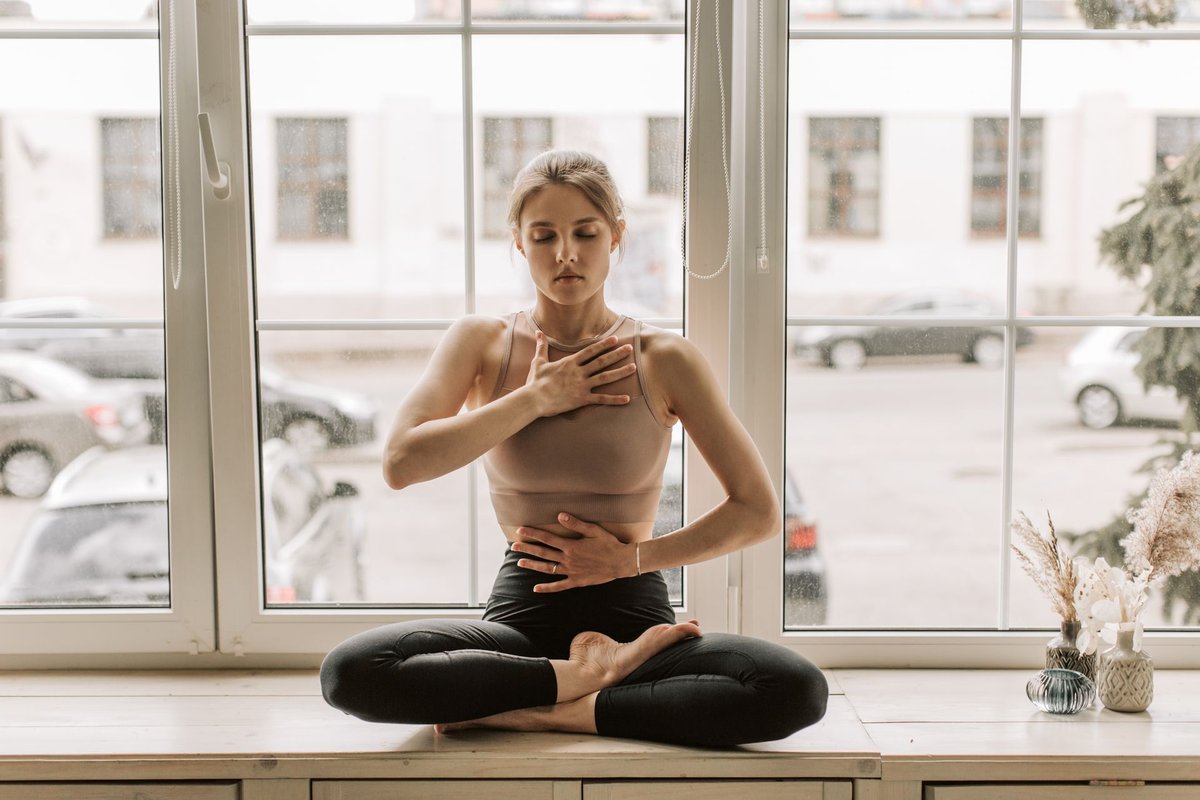
Sophrology combines breathing, gentle muscle relaxation and visualization. Here's what it is, plus simple step-by-step exercises you can try at home in 10 minutes.
Sophrology is a relaxation method that combines calm breathing, gentle tensing and relaxing of the muscles and visualization of pleasant images. You can try it at home: all you need is 10 minutes and a quiet place. In France, sophrology has long been a familiar part of self-care — people turn to it before exams, presentations or simply during stressful weeks.
What is sophrology?
It's a relaxation and mindfulness method created in the 1960s by the Colombian physician Alfonso Caycedo. According to Healthline, it brings together elements of yoga, Buddhist meditation and Japanese Zen.
It rests on three pillars:
- Breathing: calm, mindful, often combined with movement.
- Dynamic relaxation: gently tensing and releasing the muscles.
- Visualization: imagining pleasant, supportive images.
How is the sophrology method different from other practices?
It involves more body work than classic meditation and fewer complex poses than yoga. The exercises are done sitting or standing, with no special preparation.
- No mat, flexibility or special clothing needed.
- It's easy to fit into an ordinary day — even at the office.
- The focus is on pleasant sensations and positive images, not an "empty" mind.
A classic sophrology course is usually led by a trained practitioner who guides you by voice and chooses the exercises. But the basic techniques are quite easy to learn on your own.
Sophrology exercises for home
Start with three short practices of 3–5 minutes each. It's easiest to sit or stand with your eyes closed.
- "Body scan": mentally travel from the top of your head to your feet and release tension in each area as you exhale.
- "Shoulder pumping": as you inhale, hold your breath and gently raise and lower your shoulders a few times; as you exhale, relax and notice how it feels.
- "Pleasant place": picture a calm scene — a shore, a forest, mountains — with colors, sounds and smells, and stay there for a couple of minutes.
If an exercise feels uncomfortable, simply skip it and keep the ones you enjoy. In sophrology there's no "right" feeling — what matters is noticing your own.
How to practice sophrology step by step: a 10-minute routine
Put the exercises together into a short sequence. It's easy to repeat every day at the same time.
- Step 1. Sit comfortably, place your feet on the floor, close your eyes and take a few calm breaths in and out.
- Step 2. Scan your body with your attention from head to feet and release any extra tension.
- Step 3. Do "shoulder pumping" 3–4 times, noticing the sensations after each round.
- Step 4. Picture your "pleasant place" and stay there for a couple of minutes.
- Step 5. Return to your breath, wiggle your fingers, stretch and slowly open your eyes.
What does research say about sophrology?
There isn't much scientific data yet, but interest is growing. For example, researchers tested a four-week sophrology program for adults with elevated anxiety.
Healthline stresses that the method's effects still need more study, so it's best seen as a gentle relaxation tool. Similar practices are in "Breathing exercises for stress", and early signs of overload are covered in "Burnout".
How can you fit sophrology into your evening?
In the evening, the exercises pair easily with breathing techniques for sleep. Dim lights and a phone put away deepen the sense of calm.
- Choose a set time, for example right after your shower.
- Practice sitting in an armchair or on the edge of the bed.
- Finish with your "pleasant place" and go straight to sleep, without your phone.
Many people add Y-Age Aeon to this calm ritual — according to the company, it supports relaxation and calm; more in "Y-Age Aeon patch". And to set the mood for sleep in the evening, people choose the melatonin-free Silent Nights patch.