Traveling with a pet: how to prepare for a trip or flight
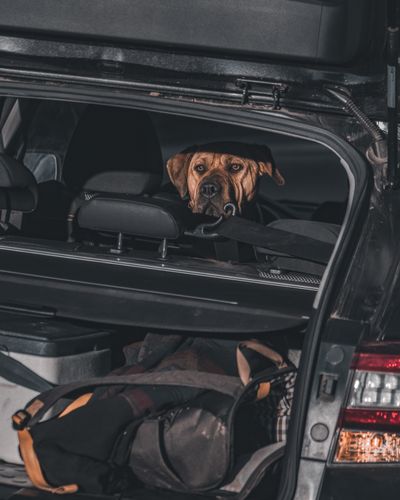
Traveling with a pet goes more smoothly when you prepare in advance, from paperwork to getting your pet used to the carrier. Here is what to consider so the journey is calm for both your animal and you.
Traveling with a pet takes preparation in advance: documents, a familiar carrier, a feeding plan and planned stops. The sooner you start, the less stress there will be on the day of the trip.
Pets cope with sudden changes of surroundings worse than people do: new transport, sounds, smells. Preparing ahead lowers stress for both the animal and the owner.
How to travel with a pet: where do you start?
Start by checking the requirements: where you're going, by what means of transport and which documents are needed. The rest of your plan depends on this.
- Pet passport or health records, vaccinations and, if needed, an international health certificate; check the requirements of the specific country and carrier.
- Confirm the pet policy at your hotel or rental.
- Find contact details for a vet clinic at your destination.
General recommendations on documents and rules for transporting animals are collected by AVMA.
How do you get a pet used to a carrier?
Start 2–3 weeks before the trip: the carrier should become a familiar, safe place rather than a signal that "something scary is about to happen".
- Leave the carrier open at home and put treats and a favorite blanket inside.
- Don't get a new carrier the day before the trip.
- Gradually increase the time your pet spends inside, then add short drives.
What should you bring on the road?
The key is everything familiar: food, water, bedding and toys. Switching diets on the road can cause digestive trouble.
- The usual food, water and treats, with enough for a few extra days.
- Collapsible bowls, a leash and a harness.
- Poop bags or a small litter box for a cat.
- A favorite blanket or toy.
- Copies of documents and your vet's contact details.
How should you handle the day of the trip?
Feed your pet a few hours before you leave rather than right before, and stay calm, since animals pick up on their owner's mood easily.
- Give your dog a good walk before you set off.
- Don't fuss or say an overly emotional goodbye to your pet.
- Keep documents and water within reach, not in your checked luggage.
How do you travel with a pet by car?
On a road trip, stop every few hours for dogs and keep a cat in her carrier the whole way. Free access to the cabin can be dangerous for the animal and the driver.
- Secure the carrier so it doesn't shift when you brake.
- Never leave a pet alone in the car, especially in hot weather.
- At stops, only let your dog out on a leash.
How do you prepare for flying with a pet, including internationally?
Airline rules vary widely: carrier size, documents, breed restrictions. Check everything several weeks before departure, not at the airport.
- Book your pet's spot in advance, since the number allowed on a flight is often limited.
- Check the carrier size and requirements.
- Choose direct flights where possible, since connections add stress.
After a long flight it's not only people whose rhythms get thrown off; we wrote about how to adjust yourself in "Jet lag: how to adjust faster after a flight".
How can you tell your pet is tired from the journey?
Watch the behavior: rapid breathing without exertion, whining, restlessness or refusing water are signals to stop and let the animal rest in the shade and quiet. Better to lose half an hour on the road than to overload your pet.
How do you help a pet settle in at a new place?
Give the animal time: set up a quiet corner with familiar things and try to keep the usual feeding and walking routine. We covered signs of anxiety and ways to help a dog in "Helping a dog cope with stress".
If you're planning an active vacation with your dog, you'll find useful ideas in "An active holiday without injuries".
Owners of active pets who travel may want to know about AcuLife, a version of LifeWave technology for animals. According to the company, it is used to support activity and recovery after exertion. Read more in "AcuLife: what owners need to know"; talk to your vet before using it.