Under eye bags: why $100 creams don’t help — and what really changes the way your eyes look
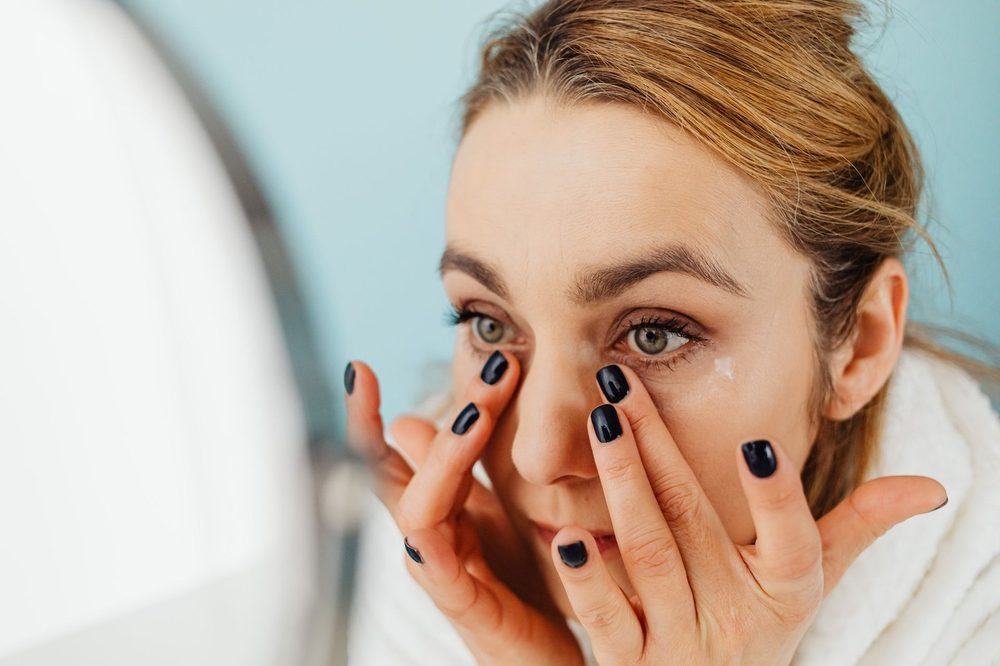
Under eye bags are one of the most common reasons to buy an expensive cream — and one of the most common reasons to be disappointed in it. We look at where bags and dark circles come from, what depends on you, what depends on your genes, and why an honest self-check is more useful than one more jar.
“Under eye bags” is one of the most popular beauty searches in many countries, and in the US interest keeps growing steadily, according to Google Trends. Your feed suggests solutions for any budget: from ice-cold spoons to creams at $100 and up. The uncomfortable truth: some of the causes of bags can’t be reached by any cream, because they sit not in the skin but beneath it. The good news: another part is very much in your hands.
What causes under eye bags?
In short: fluid, age and genes — in different proportions. Mayo Clinic describes bags as mild swelling under the eyes that appears when the tissues around the eyes, including the muscles that support the eyelids, weaken. The fat that normally supports the eyes can shift into the lower lids, and fluid can collect under the eyes.
What makes bags worse, according to Mayo Clinic:
- fluid retention — especially in the morning after sleep or after a salty dinner;
- lack of sleep;
- allergies;
- smoking;
- heredity — under eye bags can run in families.
Why don’t $100 creams get rid of under eye bags?
Because a cream works on the skin, while a bag is often formed by the tissues beneath it. If fatty tissue under the eyes has shifted, no formula will put it back — not for $10, not for $100. If your parents have bags, a cream won’t rewrite your heredity.
To figure out which type of bags you have, use the self-check of causes of bags and circles that we’ve put in the PDF for this article, along with a 21-day “rested look” tracker.