Walking in Nature: Its Benefits for Stress and Sleep
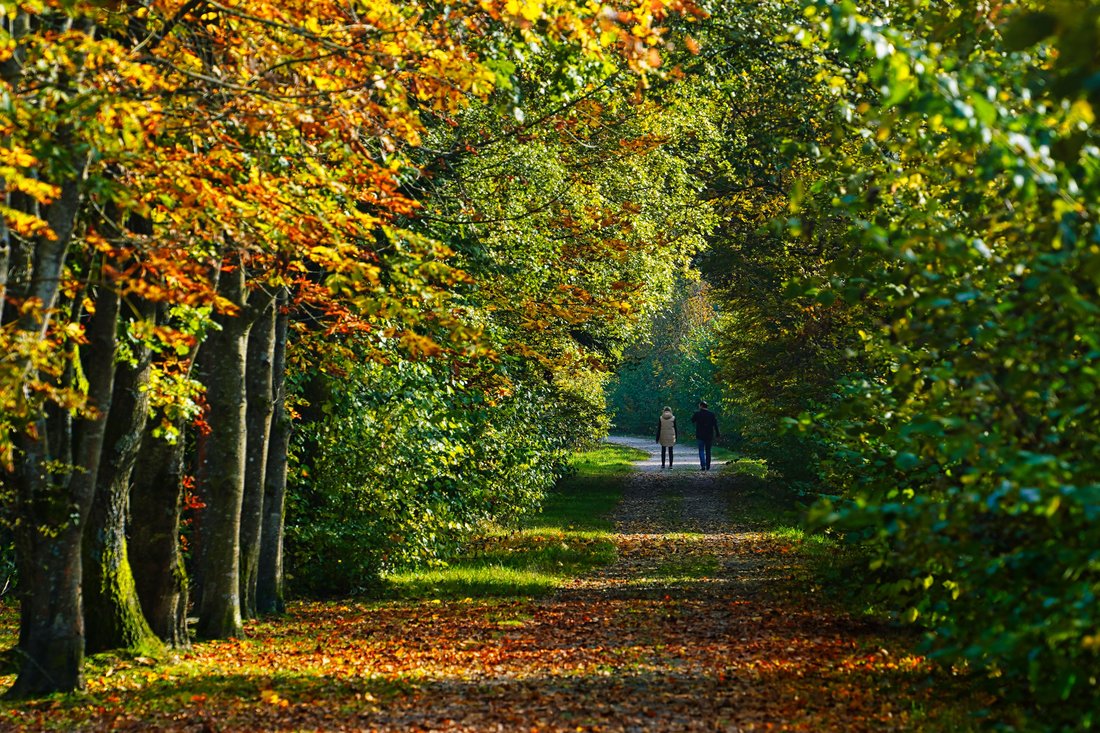
Walking in nature is a simple way to lower stress and sleep better: even a short walk in the park noticeably changes how you feel. Here are the benefits, how much time you need and how to make the most of your walks in any season.
Walking in nature lowers stress, helps regulate your sleep and lifts your mood. Just 20–30 minutes among greenery has a noticeably calming effect, and for a lasting benefit it's enough to walk like this several times a week — a forest or an ordinary city park will both do.
City life rarely leaves time for aimless walks: everything is on the run — to work, to the store, with a child by the hand. But more and more research shows that time among greenery isn't a luxury but a simple self-care tool (Harvard Health).
Walking in nature benefits: how does it help?
The main benefit is that walking in nature reduces stress. After just 20–30 minutes in a park or forest, most people's levels of cortisol, the main stress hormone, go down (Frontiers in Psychology).
- your heart rate slows and your body relaxes;
- your head clears and it's easier to switch off from work;
- your mood improves (NHS);
- you get gentle physical activity without it feeling like a “workout”.
It also matters that these benefits require no preparation or gear: comfortable shoes and a little time are enough. That's why walks suit people of any age and activity level.
How does nature affect sleep?
Daylight and movement outdoors help your internal clock run more smoothly, so it's easier to fall asleep in the evening.
- Natural light during the day tells your body when to be awake and when to get ready for sleep.
- Moderate activity during a walk promotes deeper sleep.
- Time away from screens and notifications lowers your overall anxiety by evening.
More on the role of light in “Morning light” and “How much sleep do you need?”.
How much time should you spend in nature?
You don't have to leave the city for a whole day. Short but regular walks — 20–30 minutes several times a week — already make a difference.
A city park, a tree-lined street near your home or a riverside path work almost as well as a forest, as long as there's greenery and it's relatively quiet.
If you rarely get out into nature for long, aim for at least one long walk on the weekend and a few short ones on weekdays. Regularity matters more than duration.
Walking in nature: how do you fit it into an ordinary day?
The easiest way is to tie a walk to something you already do every day.
- Walk part of your commute through a park.
- Take a short walk on your lunch break instead of scrolling your phone.
- Go for aimless family walks on weekends.
- If you have a dog, make one of your daily walks longer and greener.
Why walking is one of the most underrated forms of exercise is covered in “Benefits of walking”, and the benefits of dog walking for the owner in “Walking a dog”.
Walking in cold weather: is it worth going out?
Yes: in autumn and winter there's especially little daylight, and a walk helps support your mood and sleep routine.
- Dress in layers so you don't overheat or get cold.
- Choose shoes with non-slip soles.
- Walk in daylight, closer to midday.
Why you have less energy in the dark months is explained in “Seasonal low mood”.
How do you protect yourself from ticks on a walk?
In the warm season, keep ticks in mind in forests and tall grass. Simple measures greatly reduce the risk.
- light-colored clothing that covers your skin, pants tucked into socks;
- stay in the middle of trails and avoid tall grass;
- use tick repellent;
- after your walk, check yourself, your children and your pets.
How do you end a day outdoors with restful sleep?
The foundation of a good evening is regular movement, daylight and screen-free time. To unwind more easily after a busy day, many people use the Silent Nights patch — LifeWave's evening patch that, according to the company, helps you relax before bed.