Caring for Aging Parents: How to Help Without Burning Out Yourself
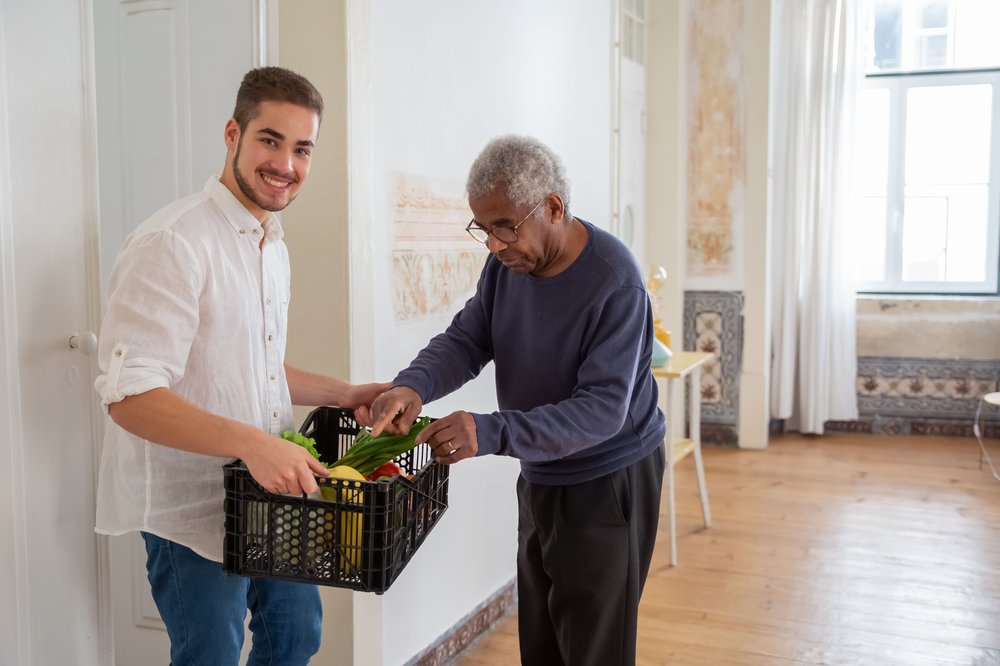
Caring for aging parents often becomes a "second shift" after your main job. Here are the signs that burnout is getting close and how to share the load so there's enough energy for everyone — including you.
Caring for aging parents is a kind of care that takes a lot of energy, and it's easy to burn out if you carry it all alone. To help for the long haul without exhaustion, it's important to divide tasks among relatives early, bring in outside help and protect a small but regular amount of time for yourself.
It usually starts gradually: first a weekly call, then doctor's appointments, then daily checks on medications and household matters. By the time the load becomes noticeable, many people no longer have the energy to take stock of it and redistribute it.
What are the signs of caregiver burnout?
The main signal is fatigue that doesn't go away after sleep and weekends. Mayo Clinic also lists irritability, feeling overwhelmed and changes in sleep among the signs of caregiver stress — more in their article.
- Constant fatigue and being irritable more often than usual.
- Guilt over any attempt to rest.
- Your own health, sleep and time with friends have taken a back seat.
- A feeling that "there's no one but me" and reluctance to ask for help.
These signs largely overlap with general burnout, which we covered in our article "Burnout: early signs" — caring for loved ones is just one of its common causes.
How to care for aging parents over 80 at home?
Start with an honest picture: what your parent can do on their own and where they need help. After 80, needs often change quickly, so the plan is worth revisiting.
- Household: groceries, cleaning, cooking, paying bills.
- Health: a schedule of doctor's visits, a medication list and taking medications.
- Home safety: good lighting, grab bars, no slippery rugs.
- Connection: regular calls and visits so your parent doesn't feel lonely.
The risk of falls rises with age, so it helps to stay active within their abilities — simple exercises are described in our article "Balance and fall prevention". Before any new activity, your parent should check with their doctor.
How to share the load in the family — even from a distance?
Caregiving alone is the fastest route to exhaustion, even if it seems "easier this way" and "no one will do it better."
- Make a list of specific tasks and divide them among relatives in writing.
- Find out what outside help is available: social workers, delivery services, in-home care.
- Agree on a regular rotation rather than one-off help "when things get bad."
- Don't take everything on just because you live closest.
Relatives who live far away can help too: ordering groceries, calling your parent, handling things online. What matters is that everyone has a clear area of responsibility rather than a vague "help when you can."
How to protect your own energy?
Your well-being isn't selfishness — it's what lets you keep helping for the long term. The U.S. National Institute on Aging explicitly advises caregivers to look after themselves.
- Set aside at least 20–30 minutes a day just for yourself, without guilt.
- Keep an eye on your own sleep, eating and movement.
- Talk about your feelings — with a partner, friends or in caregiver support groups: fatigue and irritation in this role are a normal reaction.
- Plan at least a short break when someone can cover for you.
If combining caregiving and work is getting harder, you'll find ideas in our article "Work-life balance". More resources for caregivers are available from the CDC.
How to support yourself during the busiest periods?
What holds you up is regular rest and an evening ritual that helps you switch off; there are ideas in our article "Evening rituals for solid sleep".
Many caregivers use LifeWave Silent Nights patches for a calmer evening and X39 patches to support energy during the day: according to the company, they help you relax and feel more energized. But sharing responsibilities and getting rest always come first.