How to sleep on a plane: seat, position and what to pack
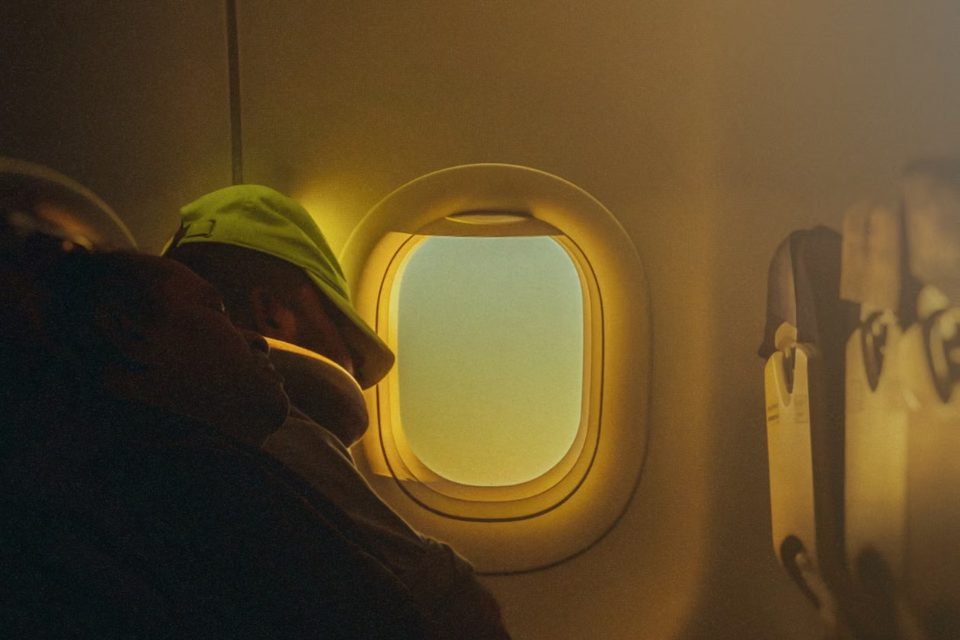
How to sleep on a plane when the seat is narrow, the lights are on and your neighbor is watching a movie? We've gathered simple tips, from choosing a seat to the items in your carry-on that help you get some rest in flight.
How to sleep on a plane? Choose a window seat, pack a "sleep kit" — a neck pillow, an eye mask and earplugs — skip coffee and alcohol before the flight, and sleep when it's night at your destination. You won't get perfect sleep in an airplane seat, but a few hours of decent rest are quite realistic.
Why is it so hard to fall asleep on a plane? Everything gets in the way at once: sitting upright, a narrow seat, engine noise, lights, dry air, crew announcements and fellow passengers stepping into the aisle. Add pre-trip excitement and a disrupted schedule if the flight is early or overnight. Each of these factors can be eased on its own — that's what the rest of this article is about.
Sleeping on a plane: which seat should you choose?
The best seat for sleeping is a window seat away from the restrooms and the galley.
- By the window you can lean against the wall and close the shade, and no one wakes you to get past.
- Rows near the restrooms and galley mean light, noise and lines all night.
- If you get up often, an aisle seat is more convenient — at least you won't disturb anyone.
- The last row often doesn't recline, and exit row seats can be colder.
It's best to choose your seat in advance, during online check-in, while there's still a choice. On an overnight flight, try to fall asleep soon after takeoff and the meal service, while the cabin lights are dimmed: the longer you wait, the less time you'll have for sleep before landing.
How to sleep sitting up on a plane: what position is most comfortable?
The key is to support your neck and lower back so your head doesn't fall forward.
- Recline your seat if it's allowed at that stage of the flight.
- Keep both feet on the floor and don't cross your legs — it's easier on your circulation.
- Put a rolled-up blanket or sweater behind your lower back.
- Fasten your seat belt over the blanket so the crew doesn't wake you during turbulence.
Don't sit still the whole flight: when you wake up, walk around the cabin and stretch your feet. More on movement, water and swelling in our article "Long flights".
What to pack in your carry-on for sleeping?
A small "sleep kit" helps shut out light, noise and cold.
- A neck pillow supports your head and keeps it from tipping to the side.
- An eye mask — cabin lights and your neighbors' screens bother you more than you think.
- Earplugs or noise-canceling headphones make the engine hum and conversations quieter. We wrote about how sound affects rest in our article on music and relaxation.
- A warm sweater and socks — the cabin can get chilly.
- Loose clothing without tight waistbands — it's easier to relax and sit for long periods.
- An empty water bottle and lip balm — the air on a plane is dry.
Coffee and alcohol in flight: do they help or hurt?
They hurt: both caffeine and alcohol make sleep on the road worse.
It's best to put off coffee, strong tea and energy drinks for several hours before you plan to sleep. Alcohol may help you doze off faster, but the sleep that follows is shallow and broken. The NHS advises going easy on caffeine and alcohol when traveling and drinking more water. A light dinner is also better than a heavy one.
When to sleep on a plane if you're crossing time zones?
Live on your destination's time from the moment you board.
Set your watch to the new time right after takeoff. If it's night at your destination, try to sleep; if it's daytime, it's better to stay awake, move around and get light. This approach helps your internal clock adjust faster, according to the Sleep Foundation and the CDC. A detailed plan for the days before and after your flight is in our article on jet lag.
How to take care of yourself on a trip?
Sleep on the road starts at home: get a good night's sleep before your flight and don't pack your suitcase on the last night.
Many travelers bring their usual evening helpers along. For example, according to the company, the evening Silent Nights patch helps you relax, and relaxation improves sleep quality — with no drugs, melatonin or sleeping pills. And during the day, to support energy after a flight, some people choose LifeWave X39 — according to the company, it helps you feel more alert and recover better. No patch replaces a healthy routine, but it can become part of your travel ritual.