Marathon Recovery: The First Days and Weeks After the Race
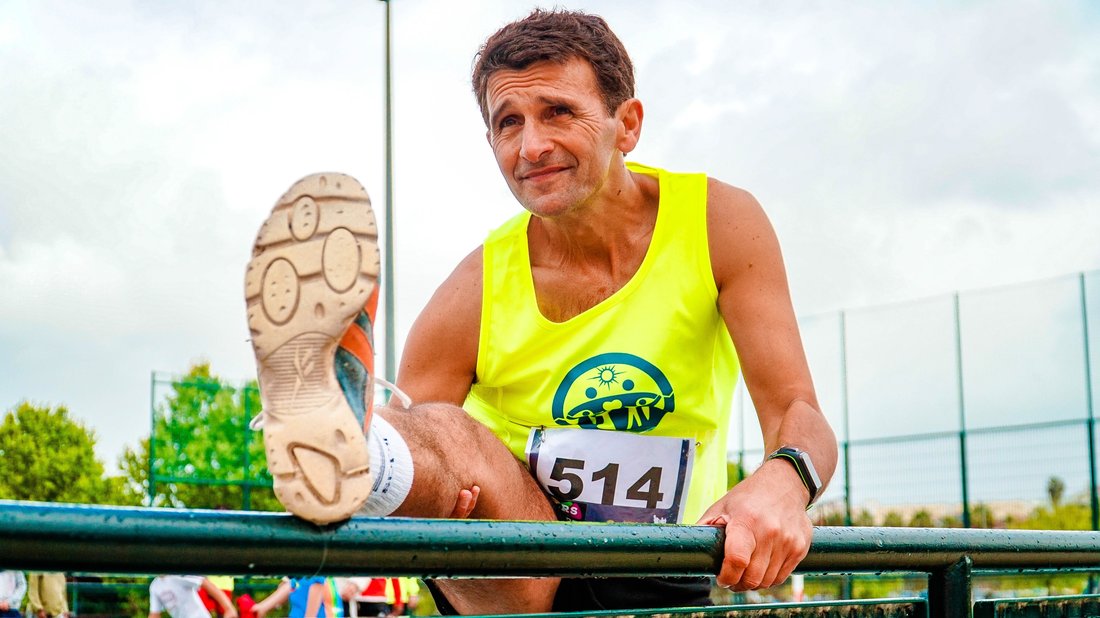
Marathon recovery takes weeks, not days: the distance puts a heavy load on your muscles, joints, nervous system and immune system. Here is what to do after the finish, how to help your muscles recover and when to get back to training.
Marathon recovery starts right past the finish line and takes 2 to 4 weeks. The first days are about rest, fluids, food and sleep; the first week involves almost no running; and you return to your usual training volume gradually, after 3–4 weeks.
A marathon is a huge load on your muscles, joints, cardiovascular system and immune system. The post-finish euphoria often masks how depleted your body is, so many runners make the same mistake: they go back to their usual routine too soon.
What should you do in the first 24–48 hours after a marathon?
Right after the finish, don't sit or lie down abruptly: 10–15 minutes of easy walking helps prevent a sudden drop in blood pressure and blood pooling in your legs.
In the first 24 hours, these matter most:
- replacing fluids and electrolytes in small amounts;
- a proper meal with protein and carbs within a couple of hours of finishing;
- cold water or ice on especially tired and swollen areas, as feels right;
- an early night — your body needs more rest than usual right now.
Exactly what to eat after long exertion — your marathon recovery food — is covered in detail in “What to eat after a workout”.
Marathon recovery week: why is rest more important than heroics?
It's best to skip running for the first 3–5 days after a marathon. Walking, gentle stretching and, if you like, easy swimming are fine.
The micro-damage in your muscles after a long distance doesn't repair itself in a day, and trying to “run through the pain” raises your risk of injury. On top of that, your immune defenses are temporarily weaker after extreme exertion, so protect your sleep and avoid getting chilled during these days.
Marathon recovery tips: how do you help your muscles recover?
After a marathon, your muscles need time, gentle movement, food and sleep. No single technique can replace that foundation.
- Movement — walking and gentle stretching instead of complete rest.
- Self-massage — a foam roller or light massage a couple of days after the race.
- Food — enough protein and carbs at every meal.
- Water — drinking regularly for several days.
Simple techniques are covered in “Self-massage for muscle recovery” and “Foam rolling”.
In the first few days, many runners apply IceWave patches to muscles that ache after the race: according to the company, they help you feel more comfortable as you move. In the evening, when general fatigue keeps you from falling asleep, some use the Y-Age Aeon patch, which, according to the company, helps you relax. Some add the X49 patch to their recovery routine — the company positions it as support for endurance and faster recovery after exercise.
Marathon recovery plan: when can you get back to training?
The general guideline is your first easy runs after 5–10 days and full training volume after 3–4 weeks.
- Start with short runs at a conversational pace.
- Save intervals and tempo runs for week three at the earliest.
- If running feels hard or something hurts, add another couple of rest days.
Experienced coaches often cite the “one day of recovery for every mile of the race” rule as a rough guide rather than a strict rule. Why rest is part of progress is explained in “Rest days from training”.
How long does marathon recovery take?
On average, full recovery takes 2 to 4 weeks. The exact time depends on your experience, race pace, the weather on race day and how your training went.
First-time marathoners usually need more time than experienced runners.
It helps to keep a short log: how you slept, your morning heart rate, how heavy your legs feel. If these return to normal and an easy run feels effortless, you can gradually increase the load.
The marathon ends at the finish line, but recovery takes weeks. Give yourself time before your next goal — your progress will be more consistent.