Motion sickness: why it happens and how to travel comfortably
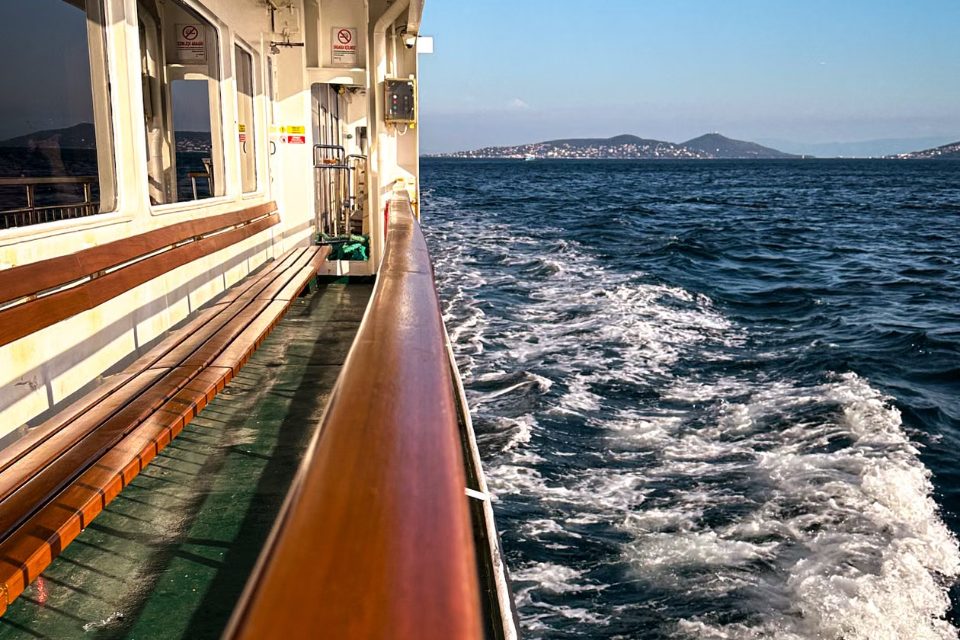
Motion sickness isn't just about ships: the same queasiness hits in cars, buses and planes. We look at why it happens and what helps adults and kids on the road.
Motion sickness happens when your eyes, inner ear and body send your brain conflicting signals about movement. The good news: in most cases you can noticeably ease it — with the right seat, looking at the horizon, fresh air and a light meal before the trip. Below is what works in the car, on a plane and on the water.
Why do we get motion sick?
In short: the brain gets confused because the senses are telling it opposite things.
The balance organ in your inner ear senses rocking and turns, while your eyes see a still cabin, a screen or the page of a book. This mismatch of signals is considered the main cause of motion sickness, according to the NHS and the CDC. Hence the typical symptoms:
- nausea and an unpleasant empty feeling in the stomach;
- pale skin, cold sweat;
- dizziness, yawning, drowsiness;
- headache and general weakness.
It usually passes soon after the motion stops. People who are tired, short on sleep, or traveling on an empty or, on the contrary, overly full stomach get sick more easily. So it's worth getting a good night's sleep before a trip.
Susceptibility to motion sickness varies. Some people feel queasy in the back seat of a taxi, while others handle a storm with ease. Children, people prone to migraines and pregnant women are more likely to get motion sick (CDC). If you know this about yourself, prepare for the trip in advance rather than once the nausea has already started.
Car sickness: how to ride without nausea?
The main rule is to see the road ahead and not look down.
- Sit in the front passenger seat — or, if you can, drive yourself.
- Look ahead at the horizon or at distant, stationary objects.
- Don't read or scroll on your phone: that "still picture" is exactly what intensifies the signal conflict.
- Crack a window or turn on the air vents — fresh air helps, while strong smells make things worse.
- On long drives, take breaks and get out for a short walk.
What to do about motion sickness on a plane or a ship?
Choose a spot where you feel the motion the least.
On a plane, that's a seat over the wing, ideally by the window so you can see the horizon. On a ship, a cabin or deck in the middle of the vessel and closer to the water line rather than on the upper decks. On deck, fresh air and looking at the horizon help; in a cabin, lying half-reclined with your eyes closed. How to take care of yourself on a long flight in general is covered in our article "Long flights".
Shifting your attention without a screen helps a lot: music or an audiobook in your headphones, a chat with a fellow traveler. Many people notice that during the first day or two of a sea voyage the seasickness is worse, and then the body gets used to the rocking.
What to eat before a trip if you get motion sick?
Best of all is a light meal a couple of hours before the trip and small sips of water along the way.
- Don't set off hungry, and don't eat a heavy meal either.
- Avoid fatty, spicy and heavy food before the trip.
- Skip alcohol the night before and during the trip — it makes the unpleasant feelings worse.
- Bring water and a simple snack: dry toast, crackers.
More ideas for eating well on the road are in our article "Eating while traveling".
Motion sickness in kids: how to help your child on the road?
Children get motion sick more often than adults, so it's worth planning the trip in advance.
- Seat your child so they can see the road ahead, not just the back of the seat.
- Instead of cartoons on a tablet, play games "out loud": songs, riddles, "spot the red car."
- Plan the trip around your child's usual sleep time: a sleeping child gets less motion sick.
- Keep a bag, wet wipes and a change of clothes handy — it's calmer for both you and your child.
Many children handle travel more and more easily as they grow. Choose any motion sickness remedies for a child only together with your pediatrician.
What if these measures don't help?
Then it's worth discussing the situation with a specialist before the trip.
There are over-the-counter motion sickness remedies, but they have contraindications and side effects, most often drowsiness (CDC). Discuss the choice and dose with a doctor or pharmacist, especially during pregnancy, for children and if you take other medications. General information about the condition is collected on the MedlinePlus page.
And remember: a calm mindset works too. The less you expect to get sick, the easier the trip, and rest afterward will restore your energy faster. If your trip involves crossing time zones, the tips in our article on jet lag will come in handy.