Shedding in dogs and cats: coat and skin care between seasons without the hassle
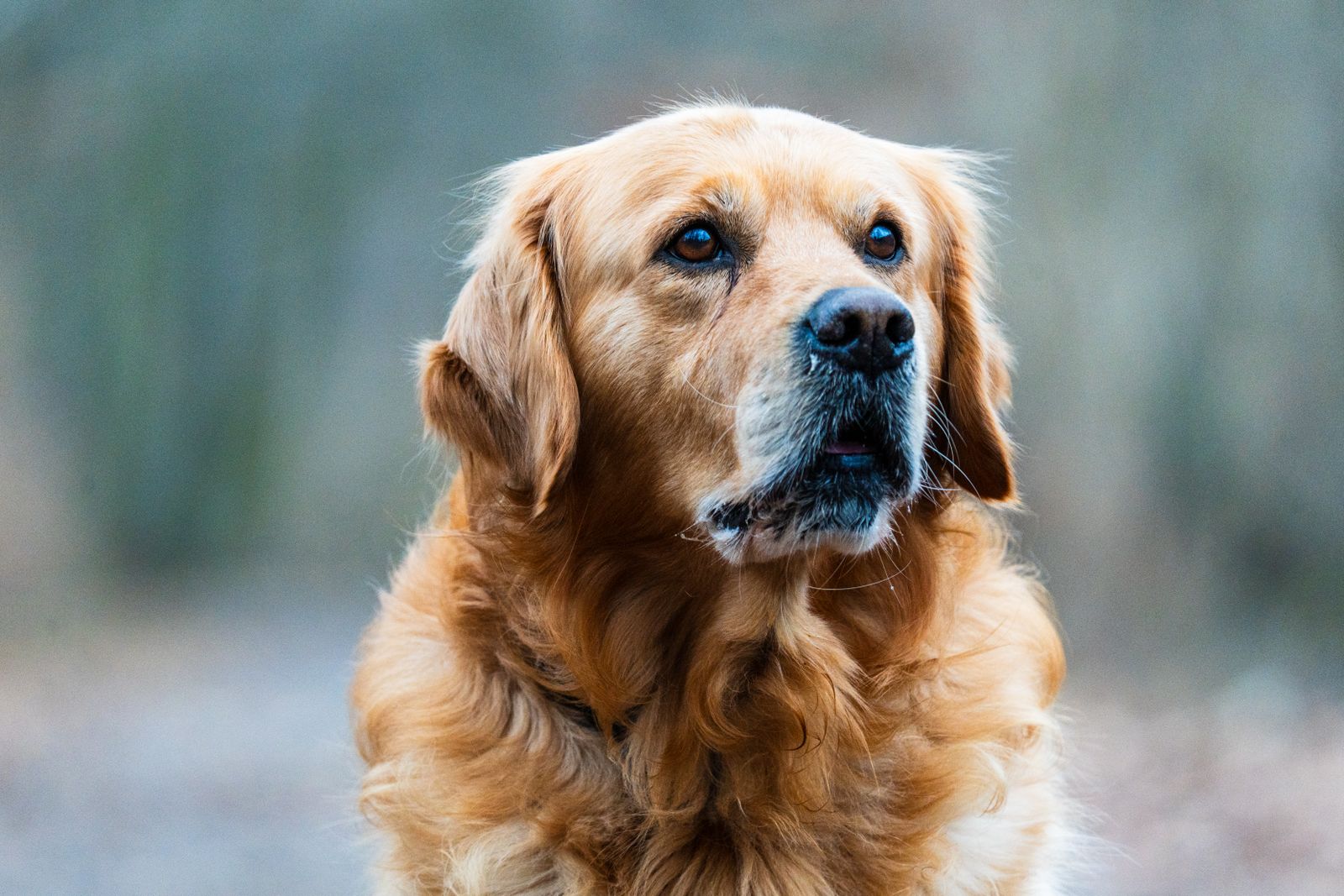
Shedding in dogs and cats is especially noticeable in spring and fall. Here is how long shedding lasts, how regular grooming makes it easier and what to watch for in your pet's skin.
Shedding in dogs and cats is a natural change of coat that, in most breeds, intensifies in spring and fall. Regular brushing, proper bathing, balanced nutrition and normal humidity at home all help make it easier.
Regular grooming during this period makes life easier for both pet and owner: less hair around the house, fewer mats and less itching.
Seasonal shedding in dogs: how long does it last?
The peak of seasonal shedding usually takes a few weeks, but the exact timing depends on the breed, the density of the undercoat and living conditions. In breeds with a thick undercoat, shedding is usually more noticeable and lasts longer.
- Short-haired dogs lose hair a little at a time, but almost constantly.
- Dogs with a thick undercoat "blow" it all at once, in clumps.
- Regular brushing doesn't shorten the process itself, but makes it much more manageable.
Excessive shedding in dogs: causes
Sometimes heavy shedding is simply a feature of the breed and the season. But other factors play a role too.
- Dry indoor air during the heating season.
- Bathing too often, which dries out the skin.
- An unbalanced diet.
- Stress: moving house, changes at home, new surroundings.
How dry indoor air affects the skin is covered in "Dry air in the house in winter".
How to reduce shedding in dogs and deal with hair at home?
The key is to brush more often than usual: every day or every other day at the peak of shedding. That way the dead undercoat stays on the brush rather than on the couch.
- Special deshedding tools remove dead undercoat more effectively than an ordinary comb.
- For long coats, use a slicker brush and a wide-toothed comb to prevent mats.
- Bathe no more often than recommended for the breed, since washing too often dries out the skin.
- Keep an eye on humidity at home, since dry winter air worsens skin condition.
How does diet affect coat and skin?
Coat quality depends directly on diet. Foods with added omega-3 and omega-6 fatty acids support healthy skin and reduce excessive flaking.
- Choose a complete food suited to your pet's age and size.
- Don't change the diet abruptly; switch to a new food gradually.
- Discuss supplements with your vet rather than choosing them yourself.
Read more about the link between diet and skin and coat condition from VCA Animal Hospitals, and grooming tips for shedding season from Banfield Pet Hospital.
Shedding in cats: what should you keep in mind?
Cats also shed seasonally and groom themselves a lot, so during shedding they swallow more hair. Regular brushing helps reduce the amount of hair that ends up in their stomach.
- Brush long-haired cats daily and short-haired cats several times a week.
- Get your cat used to the brush gradually and stop while she's still enjoying it.
Why does a dog shed in winter?
Dogs that live in a warm home get few signals that the season is changing, so their shedding can drag on or start off-calendar. Dry air from heating adds flaking. If there's no itching, bald patches or redness, regular brushing and a humidifier are usually enough.
When is shedding more than just shedding?
If, besides heavy shedding, you notice bald patches, red skin, constant itching or an unpleasant smell, that's a reason to take your pet to the vet rather than blaming the season.
For caring for older dogs, see "Senior dog care". We wrote about age-related skin changes in people in "Skin changes with age", and about AcuLife, a version of LifeWave technology for animals that, according to the company, is used to support pets' activity, in "AcuLife: what owners need to know". Talk to your vet before using it.