Coat and skin care for pets between seasons: shedding without the hassle
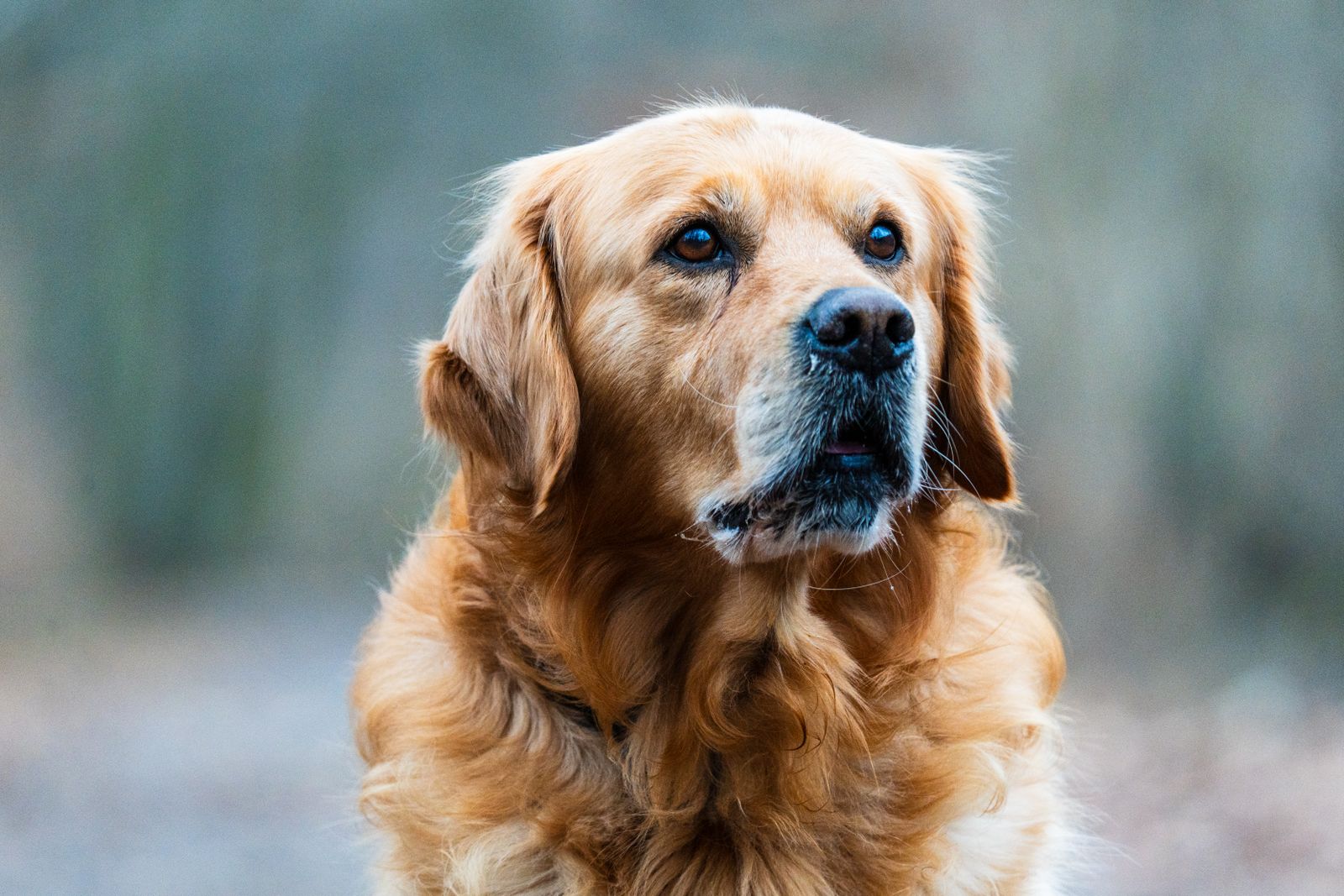
In spring and fall, dogs and cats shed especially heavily. Here's how to help your pet through this period and what to watch for in its skin.
Seasonal shedding is a natural process of coat renewal that intensifies in spring and fall for most breeds. Regular care during this period makes life easier for both the pet and the owner.
How to ease shedding
- Brush your pet more often than usual — deshedding tools remove dead undercoat more effectively than a regular comb.
- Bathe no more often than recommended for the breed — too-frequent washing dries out the skin.
- Watch indoor humidity — dry winter air worsens skin condition.
Diet and coat condition
Coat quality is directly linked to diet. Foods with added omega-3 and omega-6 fatty acids support skin health and reduce excess flaking.
When shedding is more than just shedding
If, along with heavy shedding, you notice bald patches, skin redness, constant itching, or an unpleasant odor, it's a reason to have the pet checked by a vet rather than blaming it on the season.
We've written about age-related skin changes in people in "Age-related skin changes", and about AcuLife for animals in "AcuLife: what pet owners should know".