Wellness retreat: what it is, the main types and how to choose your program
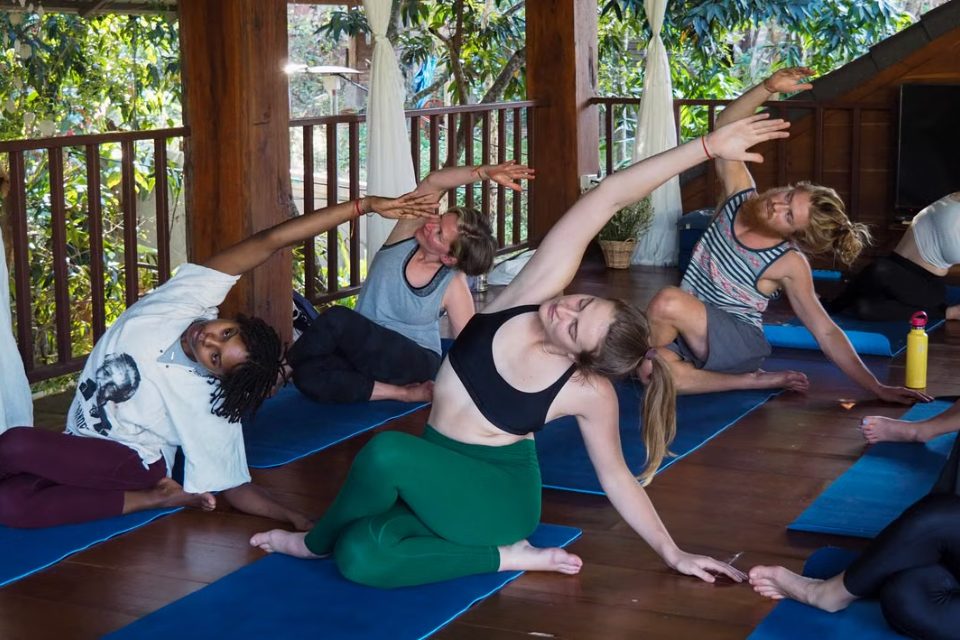
A wellness retreat is a trip devoted entirely to rest, movement and recharging. We look at how a retreat differs from a regular vacation, what formats exist and what to check before you book.
A wellness retreat is a trip of several days in which everything serves one goal: to rest, recharge and reconnect with yourself. Instead of a packed sightseeing schedule, there are practices, movement, quiet, simple food and sleep. This format suits people who are tired of the usual vacation that leaves them needing another vacation.
What is a wellness retreat and how is it different from a vacation?
A retreat is rest with a program and an intention. On a regular vacation you decide what to do yourself, while at a retreat the schedule is planned in advance: sessions, meals, free time, lights out.
The word "retreat" means withdrawing or stepping back. The idea is to step away for a while from work chats, the news and endless to-dos. If you know the feeling of coming back from time off with no more energy than before, read about a vacation without burnout.
Wellness tourism: where did the trend come from?
Wellness tourism is travel associated with the pursuit of maintaining or enhancing one's personal well-being, as defined by the Global Wellness Institute Global Wellness Institute. It includes specialized retreats, resorts and ordinary trips to which people add self-care: walks, sports, spa.
A retreat is the most "immersive" form of this kind of travel: several days devoted entirely to recovery.
What types of retreats are there?
There are many formats, and it's better to choose based on your goal rather than on beautiful photos.
- Yoga retreats — daily classes, breathing, meditation. They suit beginners too if the program is designed for different levels; you can learn the basics in advance with our article yoga for beginners.
- Digital detox — your phone is handed in or used minimally. Ideas for starting at home are in our piece on digital detox.
- Sleep retreats — a set routine, evening rituals, light and darkness on a schedule.
- Active retreats — hiking routes, swimming, cycling, endurance work.
- Nature retreats — forest, mountains, sea; read about the benefits of such walks in our article walks in nature.
There are also resort formats with thermal waters — more on those in our article on thalassotherapy and thermal resorts.
How to choose a retreat and what to check?
The key things are a clear program, qualified leaders and honest promises. Before booking, ask the organizers a few questions.
- Who leads the sessions, what training they have and their experience working with groups.
- What the daily schedule looks like and how much free time it includes.
- How physically demanding it is and whether you can scale it back or skip a practice.
- How meals, accommodation and access to a doctor if needed are arranged.
- Whether they ask about your health and limitations before the trip — that's a good sign.
Be wary of programs that promise to "cleanse the body," rapid weight loss or solving health problems in a week. A realistic expectation is to rest, catch up on sleep, and come away with new habits and ideas.
Even gentle practices call for caution. The U.S. National Center for Complementary and Integrative Health reminds us that yoga is best learned under the guidance of a qualified instructor, and that people with health conditions should talk to their doctor first and avoid poses that aren't right for them NCCIH.
How long does a retreat last and how should you prepare?
For a first time, two to four days is usually enough: long enough to feel a different rhythm, and no big deal if the format isn't for you. Week-long programs give you more time to let go of work thoughts.
A few days before the trip, gradually shift your bedtime toward the retreat schedule, cut back on coffee if there won't be any there, and let your colleagues know you'll be offline. Pack comfortable clothes, closed-toe shoes for walking, a water bottle and a notebook. The fewer tasks you bring along, the more rest you'll get.
How to keep the benefits of a retreat at home?
Don't take the whole program home — take one or two habits. They're what extend the rest for weeks.
- A short morning practice: stretching, breathing or 10 minutes of quiet.
- A phone-free walk at least a few times a week.
- A consistent bedtime.
- One screen-free evening a week.
Many people add their own support tools to their new routine. For example, according to the company, the LifeWave X39 patch helps the body support its natural renewal processes and feel more energy during the day. The company positions the Cellergize Duo set as a daily ritual: an energized morning with Morning and a calm evening with Evening. These are dietary supplements, not medicines: if you're pregnant, breastfeeding, taking medication or have a health condition, talk to your doctor before taking them.