Yoga for Beginners: Where to Start and Why It's Not Just for Flexible People
Yoga isn't only about stretching into a split. It's an accessible way to release tension, improve mobility, and learn to breathe more calmly. Here's how to start practicing at home with no experience.
Yoga is often associated with complex poses and exceptional flexibility, but at its core the practice is simple movement combined with mindful breathing. That combination works on both the body — improving joint mobility and posture — and the nervous system, lowering stress levels and helping you unwind after a tense day.
Why Yoga Works Even Without Athletic Background
Unlike many types of training, yoga has no competition with others and no rigid standards — each pose is done within its own range of motion. A beginner needs only a basic set of 8–10 poses and attention to breathing to notice less stiffness in the body after just a few sessions.
How to Start Practicing at Home
- Choose a short beginner routine of 15–20 minutes — you don't need more than that to start.
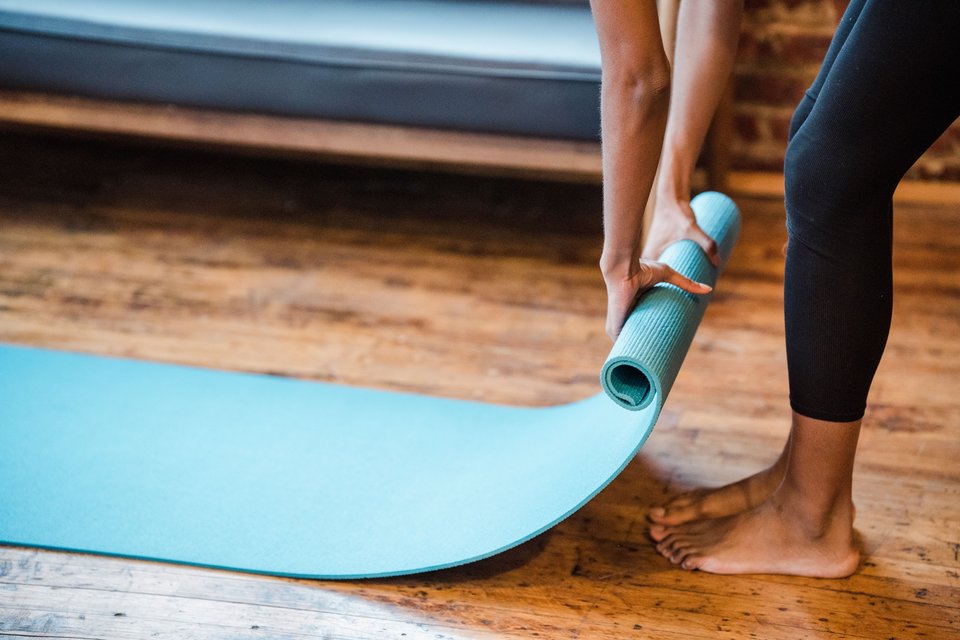
- Practice on a non-slip mat, in comfortable clothing that doesn't restrict movement.
- Move slowly and sync movement with breath: inhale as the body opens, exhale as it folds.
- Don't chase depth in a pose — a gentle pull, not pain, is the sign of the right range of motion.
Yoga for the Body and the Nervous System
Regular practice improves shoulder and hip joint mobility and strengthens the core and back muscles — a good complement to "Stretching Before and After a Workout". But the effect on the nervous system matters just as much: slow breathing at the end of a session (savasana) lowers tension and helps you fall asleep more easily in the evening, covered in detail in "Stress and Breathing".
An evening yoga practice pairs well with a calm bedtime ritual: some people round it off with Silent Nights patches for relaxation, and LifeWave's Y-Age Aeon patch to ease overall tension.