Post-Workout Nutrition: What to Eat After a Workout for Muscle Recovery
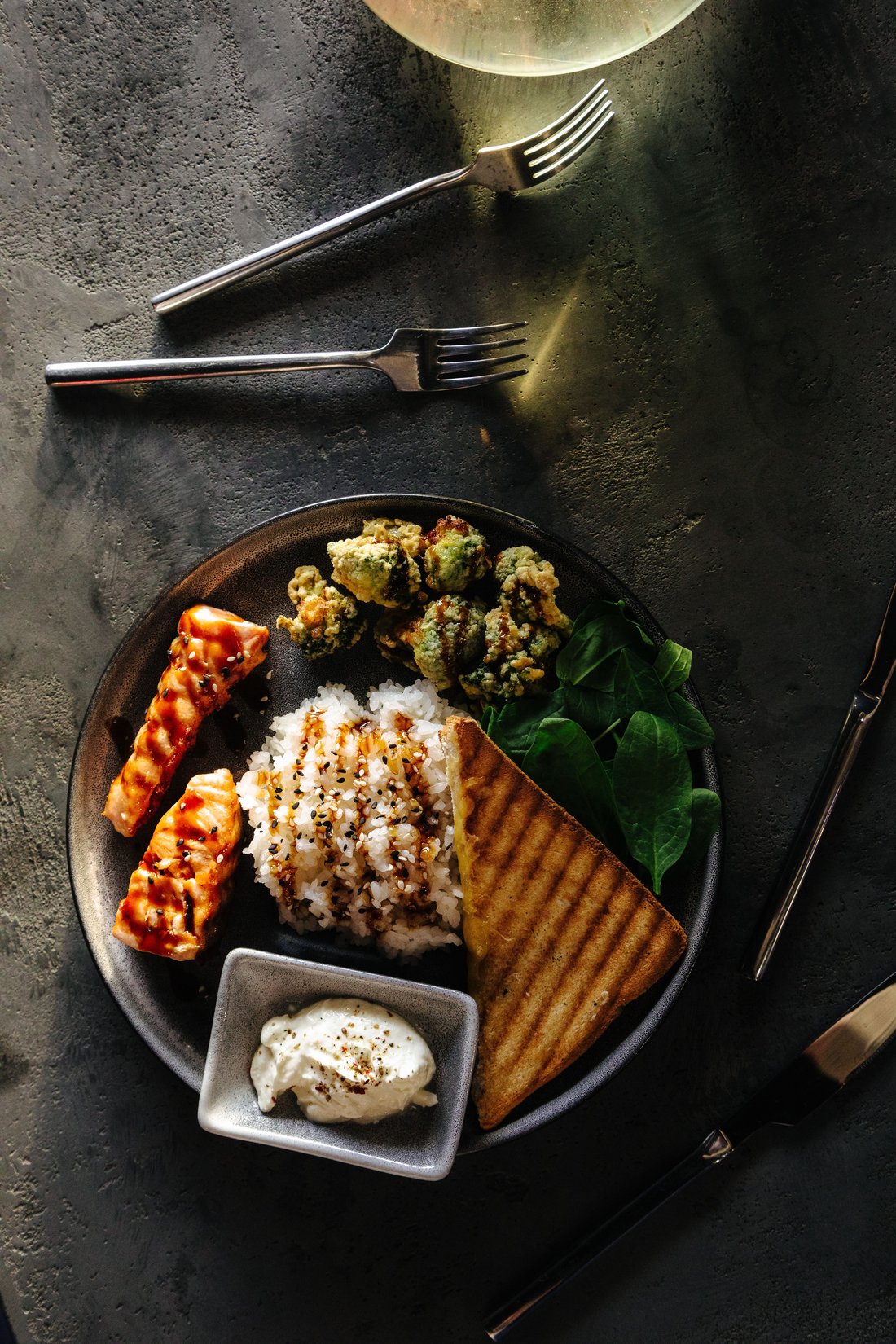
Post-workout nutrition helps your muscles recover and your energy bounce back in time for the next session. Here is how much protein and carbohydrate you need, when to eat, and how your meal differs after strength, cardio and evening workouts.
Post-workout nutrition means protein to help muscles recover and carbs to restore energy. It's best to eat within 1–2 hours of exercise, pairing, for example, chicken or cottage cheese with rice, potatoes or fruit.
During strength training or intense cardio, your muscles get micro-damage and glycogen stores drop. Recovery and growth happen after the session, and what you eat over the next few hours directly affects that process.
Why is protein important after a workout?
Protein supplies the amino acids your muscle tissue is built from. A good benchmark is 20–40 g (about 0.7–1.4 oz) of protein within 1–2 hours of your session.
- chicken, turkey, fish;
- eggs and cottage cheese;
- legumes and tofu for a plant-based diet;
- a protein shake if you can't have a proper meal yet.
If you don't eat meat, see “Plant-based protein”, and general guidelines are covered in “Protein in your diet”.
Do you need carbs after a workout?
Yes: carbs replenish the glycogen stored in your muscles. This matters most if you train often or for a long time.
Easy post-workout meal ideas include rice, potatoes, buckwheat, oatmeal, fruit and whole-grain bread. They work best paired with protein: fish with potatoes, an omelet with toast, cottage cheese with a banana.
Post-workout meal for muscle gain: what to focus on after strength training?
After strength training, protein comes first and carbs complement it. Your muscles have taken a serious load and need building material.
- Chicken or fish with rice and vegetables.
- Cottage cheese with berries and a handful of oats.
- Eggs with whole-grain bread and a salad.
Consistency matters more than the perfect menu here: protein at every main meal works better than one big shake right after the gym.
If your goal is muscle gain, spread your protein evenly across 3–4 meals a day. That way your muscles get building material constantly, not just in the first hour after the gym. If your goal is weight loss, don't skip food after exercise: strong hunger later often ends in overeating in the evening.
What should you eat after a cardio workout?
After a long or intense cardio session, your body especially needs carbs and fluid, with protein in sensible amounts. After running, cycling or swimming, good options are oatmeal with fruit, pasta with chicken, or yogurt with a banana.
Don't forget to drink water: when you sweat a lot, you lose fluid faster than you think. A short, easy cardio session usually doesn't call for a special meal — your next regular lunch or dinner is enough.
Post-workout nutrition timing: is eating late in the evening bad for your waistline?
A substantial meal with protein and carbs after an evening workout is normal and doesn't get in the way of weight management by itself. Your overall calorie balance for the day matters far more than the time of your last meal.
Choose dishes that won't overload your stomach before bed: fish or chicken with vegetables and a small portion of grains, cottage cheese, an omelet. We covered how to combine late workouts with good sleep in “Evening workouts and sleep”.
What else helps recovery besides food?
Nutrition works together with sleep, stretching and enough water. After a hard session, a light cool-down and a calm evening help.
Many people use the X49 patch on the days after exercise as part of their recovery routine: according to the company, it helps support endurance and shorten recovery time. For everyday support of their daily routine, some choose the Cellergize Duo set — dietary supplements with vitamins, minerals and amino acids: Morning for the morning and Evening for the evening. If you are pregnant, breastfeeding, taking medication or have a chronic condition, talk to your doctor before taking supplements.
There is no perfect formula for a recovery meal: what matters is not skipping food after a hard session and combining protein with carbs. For what to eat before training, read “What to eat before a workout”, and for breaks between sessions, see “Rest days from training”.