Magnesium and muscle recovery: do you need a supplement?
Magnesium is often called the "relaxation mineral". We look at how it relates to muscles and sleep, which foods provide it and when a supplement is really worth considering.
Magnesium plays a role in how muscles and the nervous system work, which is why it is often linked to relaxation after exercise and to sleep quality. Low magnesium intake is not unusual in developed countries: a modern diet high in processed foods often falls short.
Which foods give you magnesium?
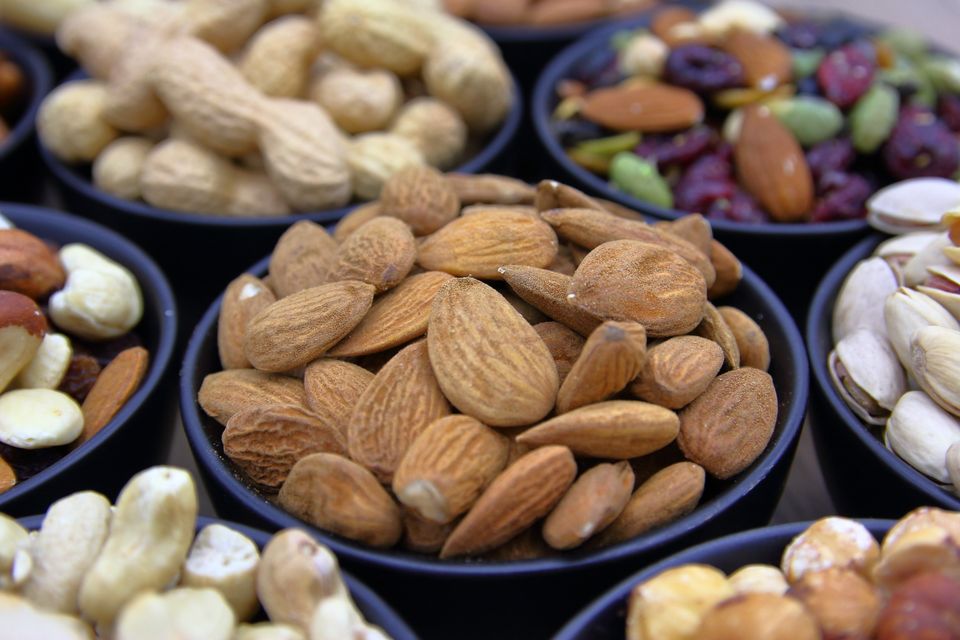
- Nuts and seeds — almonds, cashews, pumpkin seeds.
- Wholegrains and pulses.
- Leafy greens — spinach, chard.
- Dark chocolate (70% cocoa or more) and bananas.
Do you need a magnesium supplement for recovery?
If your diet is varied and includes the foods above, an extra supplement is not always necessary. It tends to make more sense when there are clear signs of a shortfall — cramps, heightened anxiety, poor sleep — and after talking to a doctor who can help find the cause rather than just "masking" the symptom.
In the evening, alongside magnesium in their diet, many people use the Cellergize Evening drink with L-theanine, taurine and magnesium — it helps you relax without melatonin or sleeping pills. The Silent Nights patch also rounds off an evening routine nicely.